

Case Studies

Waste heat recovery case studies and performance studies

Real facilities, measured results. See how Lepido® performed in laundries, food plants, foundries and kitchens, and what 22 months of continuous operation looks like.

Evidence

Evidence for project decisions

Every study answers the six questions an engineer or a finance lead asks first.

Pick a project to see its answers, taken straight from the published case study. Every figure is published with the customer’s approval.

  1. The challenge

    Hot, very moist finisher exhaust was vented straight outside.

  2. Source conditions

    Finisher exhaust at about 80°C, heavy with moisture.

  3. Where the heat goes

    Pre-heats process water for two tunnel washers.

  4. The solution

    Lepido® added to the finisher exhaust.

  5. Operating period

    Six-month trial from early summer 2023.

  6. Approved result

    63% less gas per kg of laundry (0.019 → 0.007 kWh/kg).

Read the CWS case (PDF)
Project results

Case studies

Project highlights from sites where heat recovery used to fail. Find the one closest to your process, then ask us what it would recover at yours.

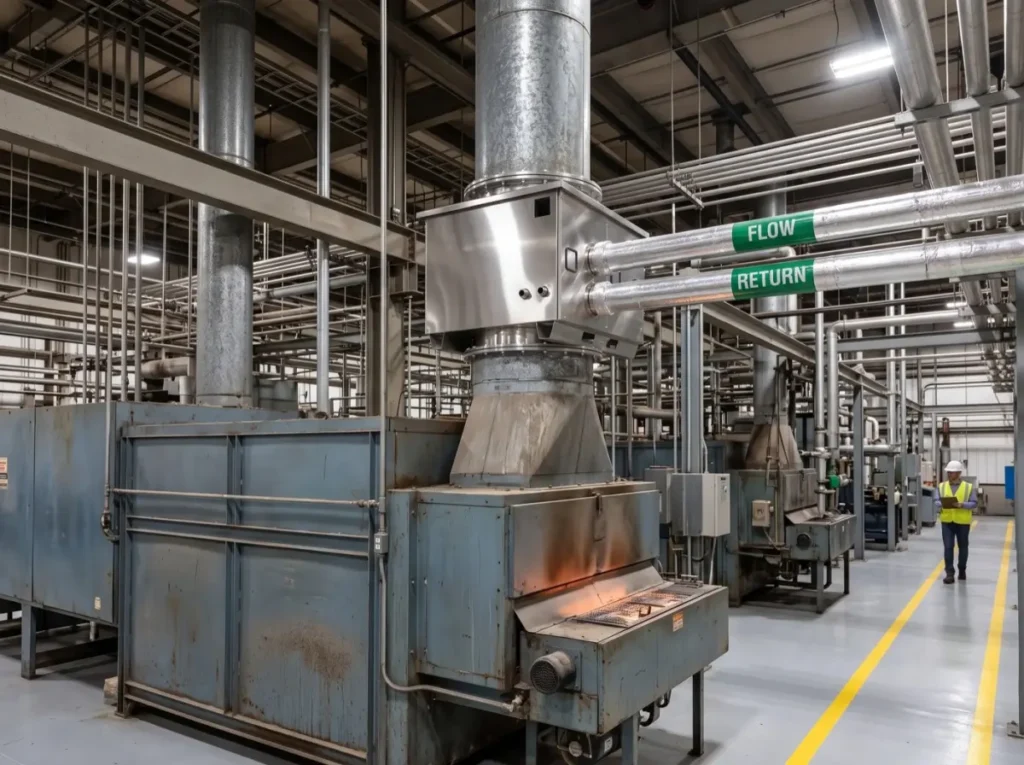
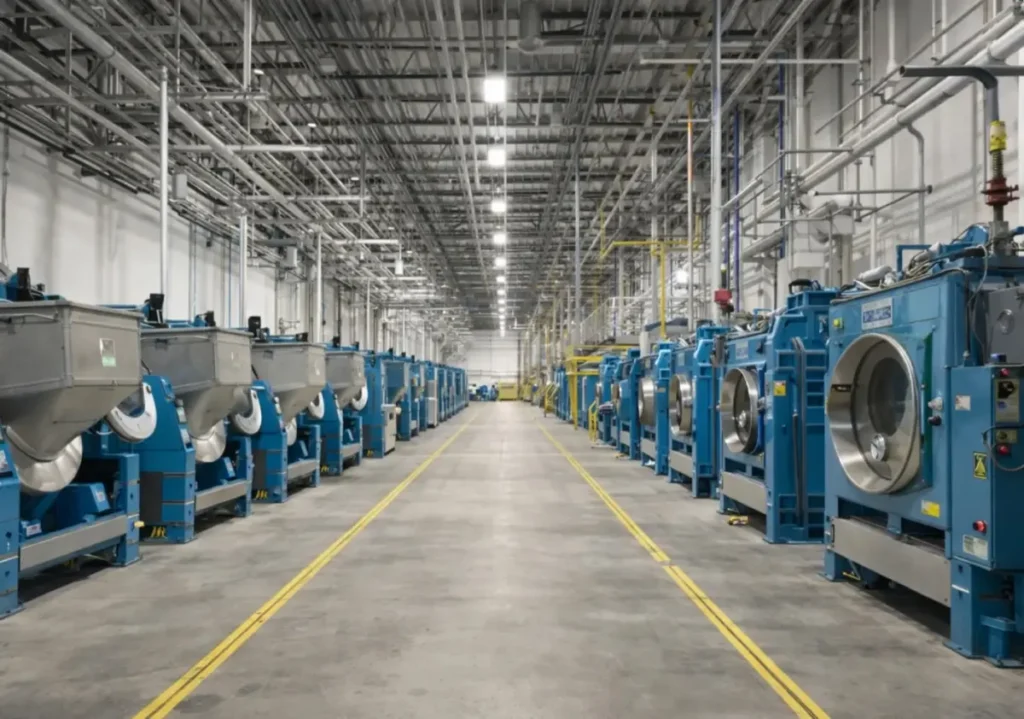
Rows of industrial washers in a laundry.

CWS Workwear

Industrial laundry · Den Bosch, Netherlands

63% less gas on the tunnel washers Basis: gas per kg of laundry, before vs after · 6-month trial, 2023

Finisher exhaust to washer process water

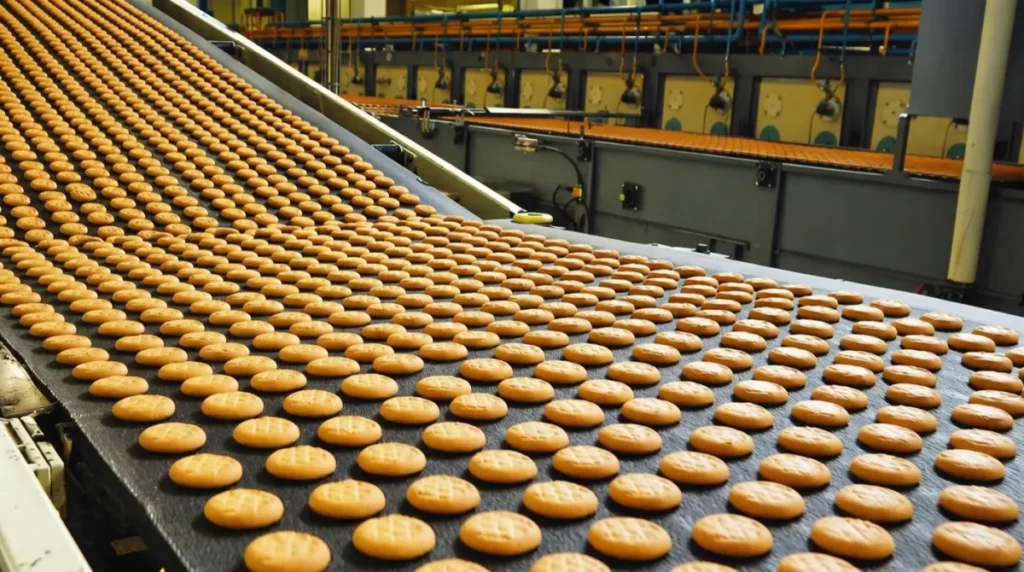
Pancakes on a production line.

Lantmännen

Food production · Laholm, Sweden

99% of the site's heat demand covered Basis: 614,900 of 616,600 kWh/yr · 2 × Lepido L50 · 2022

Production-line exhaust with grease and soot to production-hall supply air

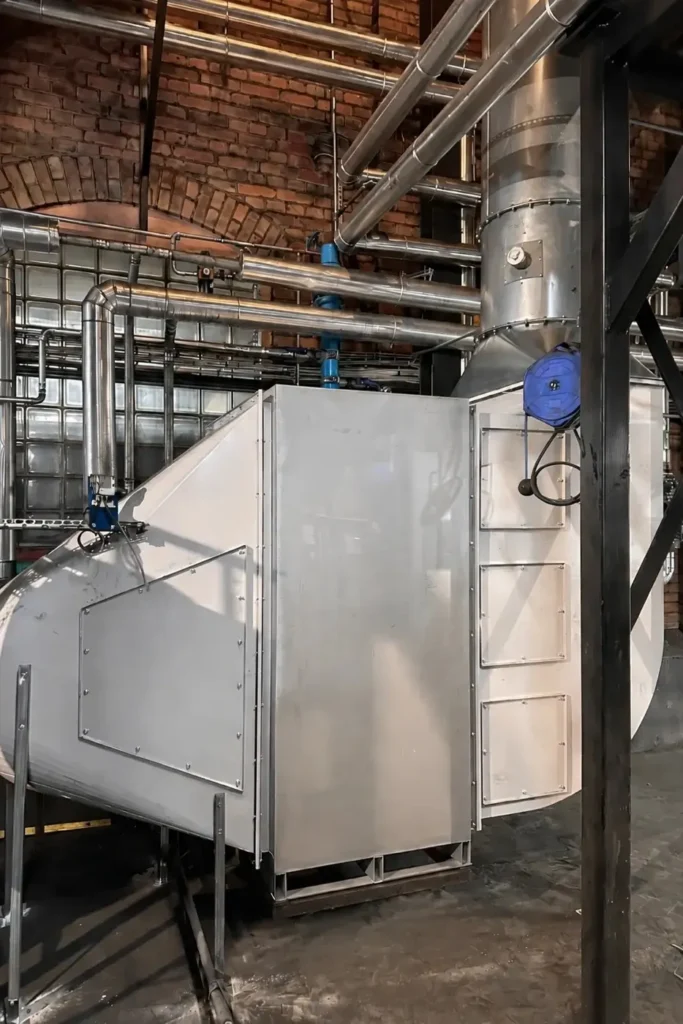
A heat recovery module in a manufacturing plant (illustrative).

Sports & Leisure Group

Manufacturing · Polymer production
Now measuring
  1. Installed
  2. Measuring
  3. Results
Results are published when the study closes.
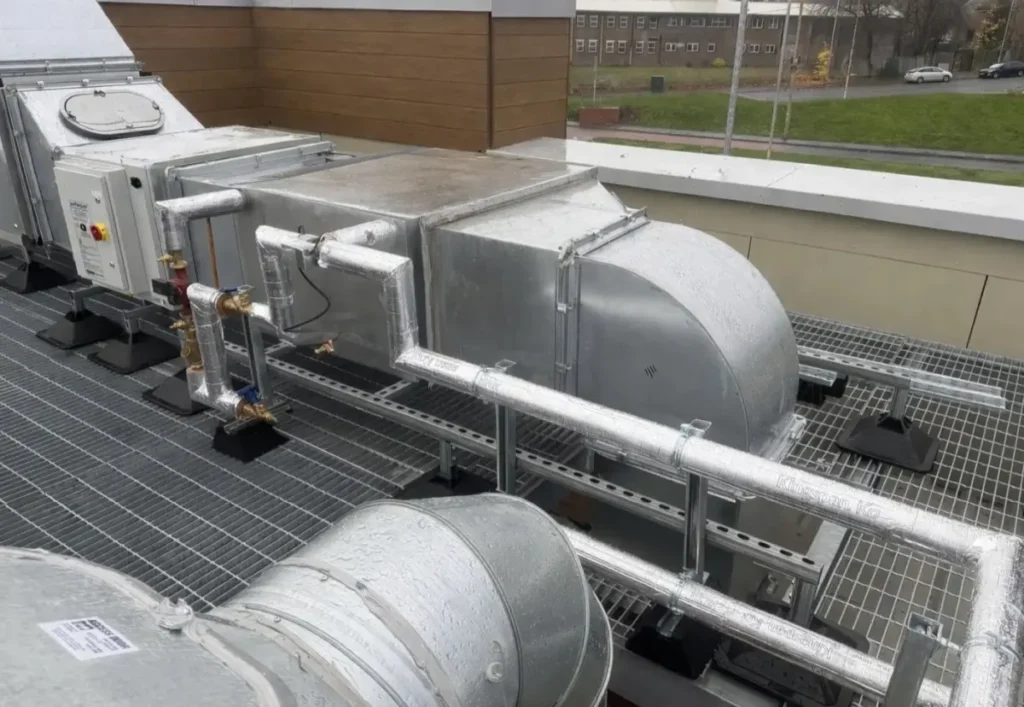
Lepido unit on a restaurant rooftop.

Burger King UK

Restaurants · United Kingdom

11–36% lower electricity bill Basis: electric heater use vs a control site without Lepido · 2024

Kitchen exhaust to make-up air, electric heater off

Find a relevant example

Not your industry or source? Send us the basics. ThermStar can tell whether your operating conditions support a preliminary evaluation even when no public example exactly matches.

22-month study

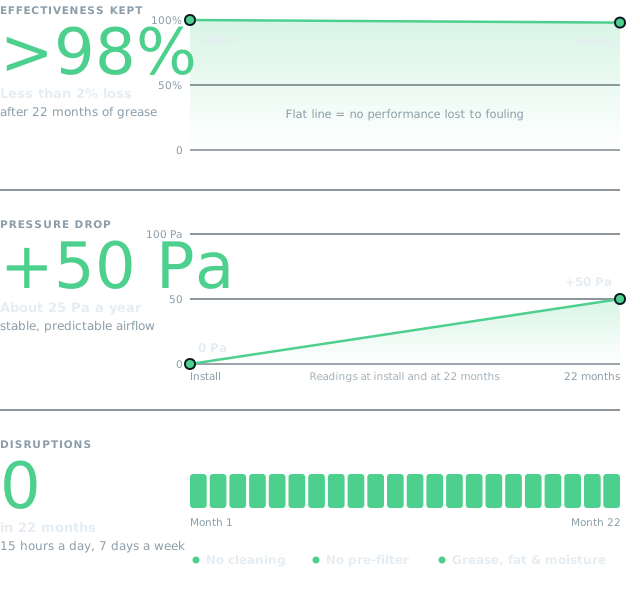
Long term heat recovery performance data

The key question for heat recovery projects is whether useful performance continues after startup. ThermStar uses long term studies and operating experience to examine pressure stability, airflow, maintenance, and recovered energy over time.

Operational disruptions
100
Loss of thermal effectiveness
< 10 %
Pressure drop increase
~ 0 PA
Launched in Sweden
0 MW/Hr SAved
Chart of Lepido heat recovery performance over 22 months
In their words

What operators say

Straight from the people running Lepido® in exhaust that had beaten other systems.

“We have tried everything, but this is the only thing that actually works.”

Magged Khalidy

Burger King franchise owner, Malmö, Sweden

“Unlike previous systems, it manages dusty and humid air over extended periods, leading to significant energy savings and substantially reduced maintenance.”

Mats Ekegren

Technical Manager, Bruzaholms Foundry

“We have never found a similar product that can recover heat as well as Lepido. It enables energy recovery where it hasn’t been possible before.”

Stefan J. Herde

Head of International Business Development, Emutec GmbH

“If it sounds too good to be true, it probably is. But with Lepido, it’s the other way around, the systems work much better than expected.”

André Veie Engh

Construction Team Manager, Scandinavia

Get started

What happens next

A first conversation helps ThermStar understand the operating goal, the facility context, and the people involved in the decision.

This approach keeps the process proportionate to the opportunity while giving operations, finance, engineering, health and safety, and sustainability stakeholders clear information for the next decision.

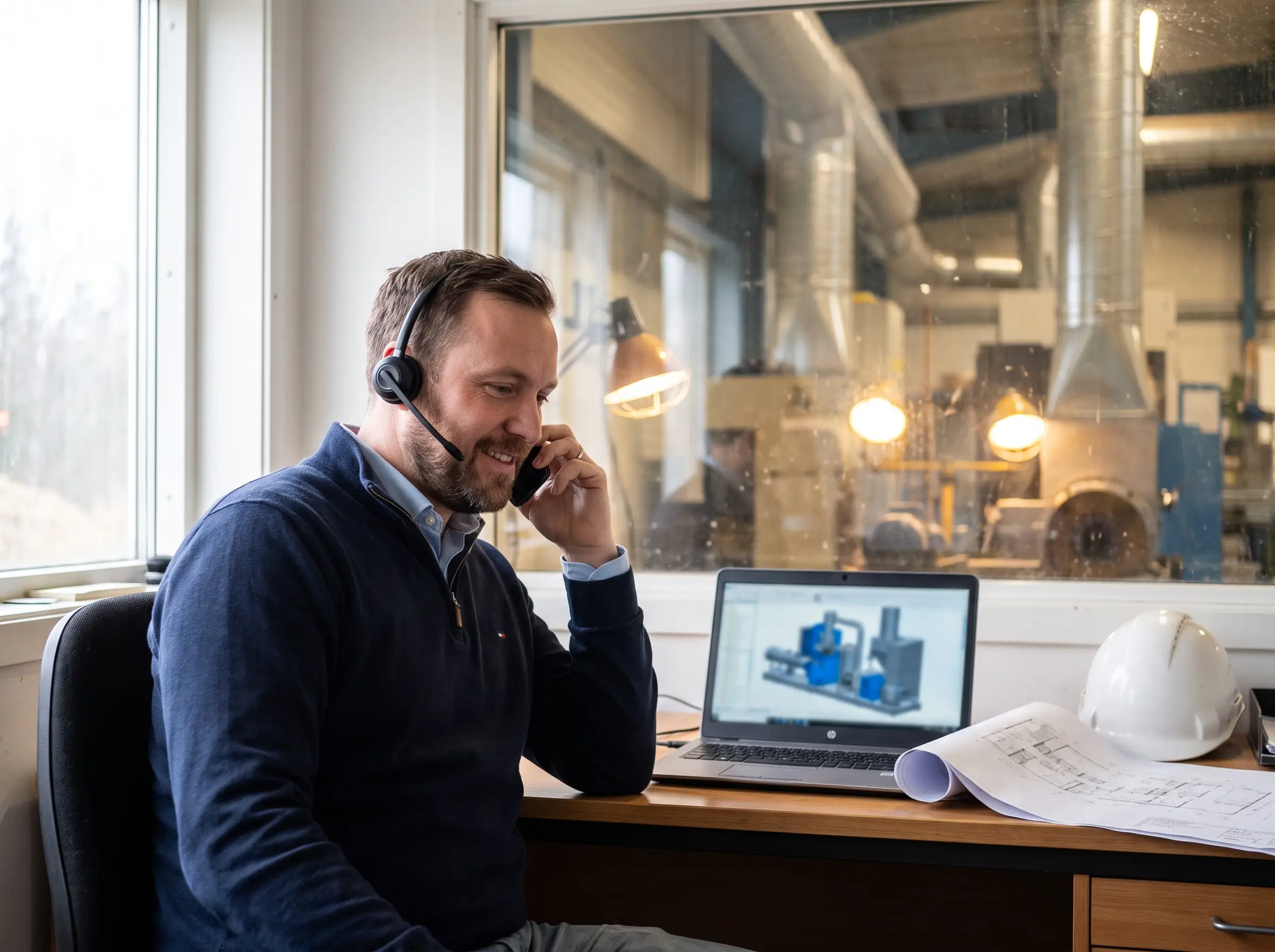
Engineer on the phone at a desk with plans and a laptop
COMMON QUESTIONS

What to know before you start

What is included in a ThermStar case study

ThermStar may publish approved application descriptions, customer logos, photographs, general configurations, operating observations, measured energy information, and study findings. The level of detail depends on customer permission and the evidence available.

Initial performance does not show how equipment responds to contaminants, pressure conditions, cleaning, operating variation, and maintenance over time. A longer study can provide more useful context for technical and economic decisions when its method and limits are clearly stated.

No. Published experience can show how technology performed under stated conditions, but it does not guarantee the same outcome elsewhere. Source conditions, receiving loads, schedules, installation, controls, maintenance, and energy costs vary by project.

Submit the facility location, industry, source description, operating schedule, and possible use for recovered energy. ThermStar can compare the application with available experience and identify the data needed for a preliminary evaluation.