
HEAT RECOVERY PLATFORM

Industrial heat recovery systems

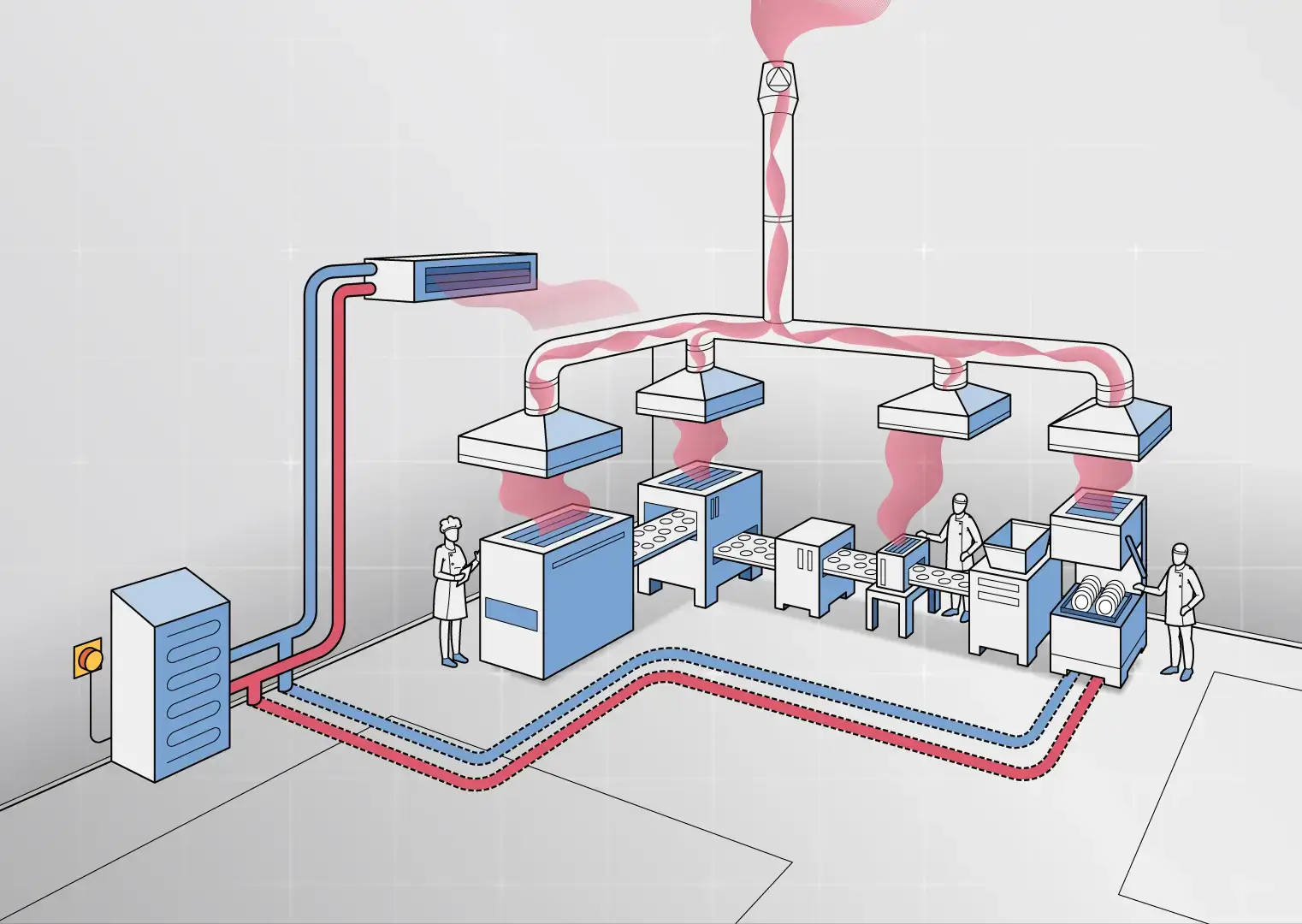
A heat recovery system captures thermal energy from an exhaust stream or process and transfers it to a useful demand. The recovered energy can reduce the fuel or electricity otherwise required to heat air, water, boiler feedwater, or another process.

The value depends on source temperature, airflow, operating time, available demand, system efficiency, integration, and energy cost.

THE EXHAUST PROBLEM

Why source conditions matter

A conventional waste heat recovery heat exchanger may work effectively in clean service yet lose performance when particles, moisture, lint, or grease collect on dense surfaces. Increasing restriction can affect pressure drop, airflow, fan energy, cleaning frequency, and recovered energy.

ThermStar evaluates the exhaust environment because sustained operation matters as much as initial heat transfer.

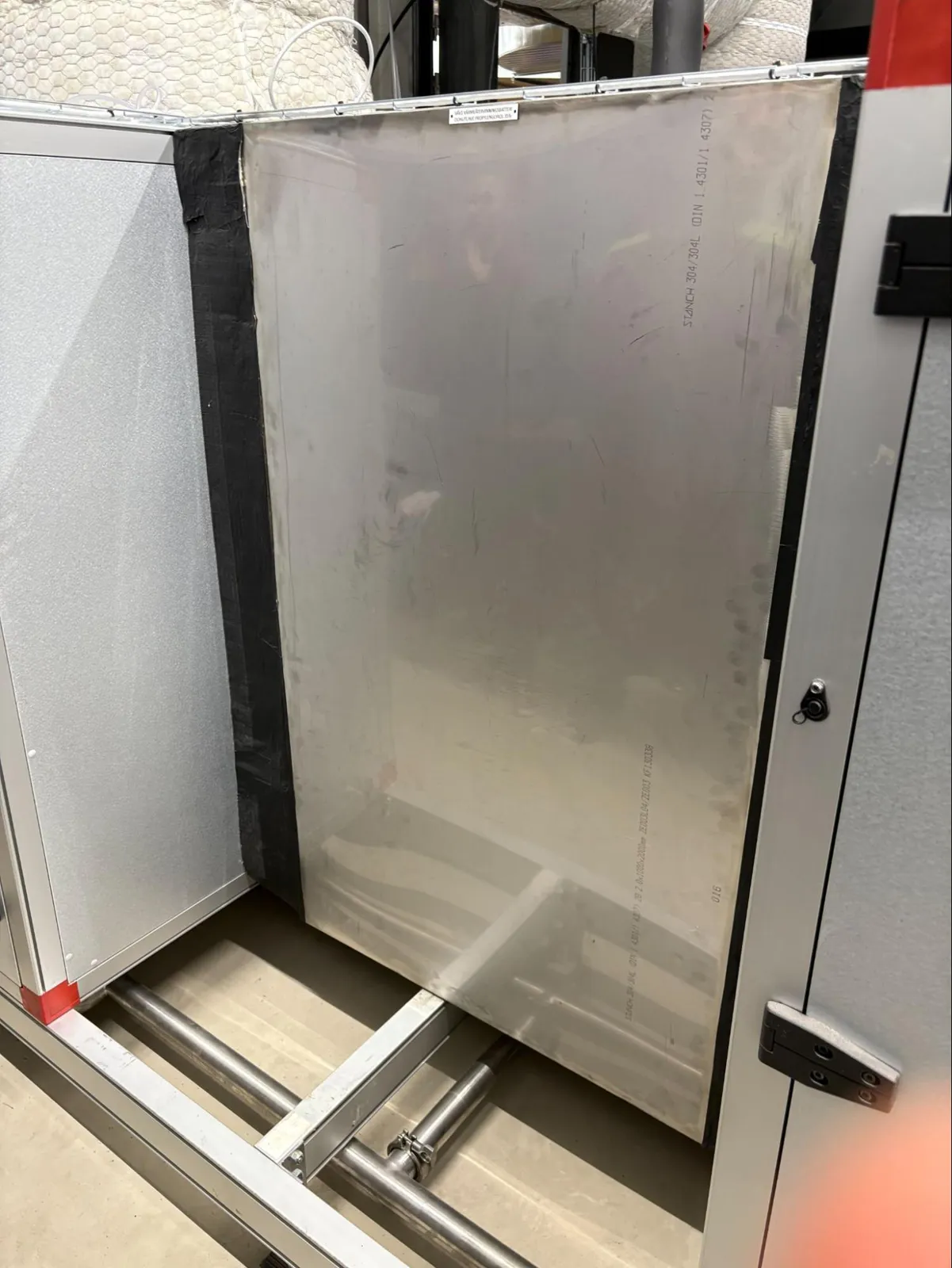
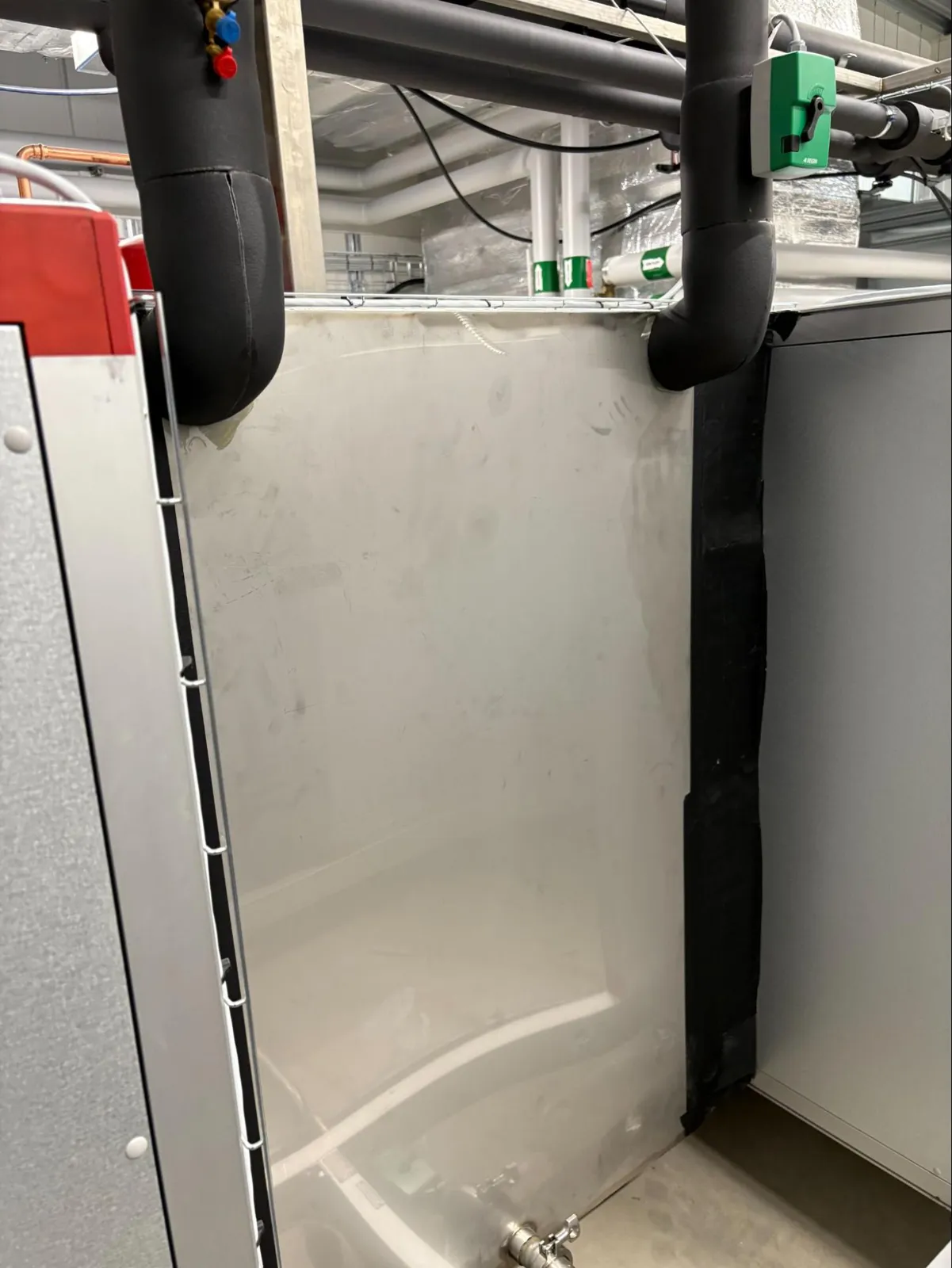
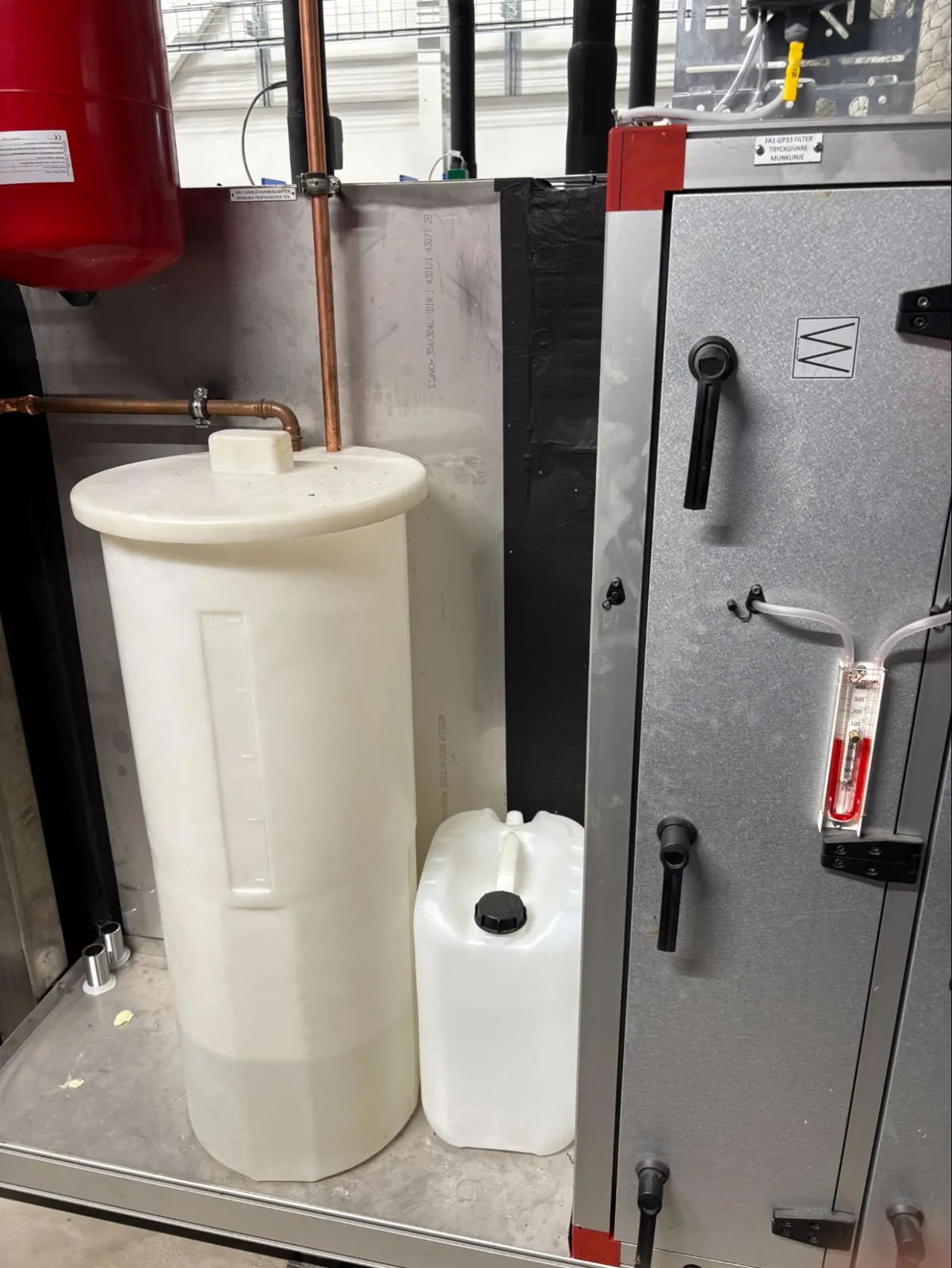
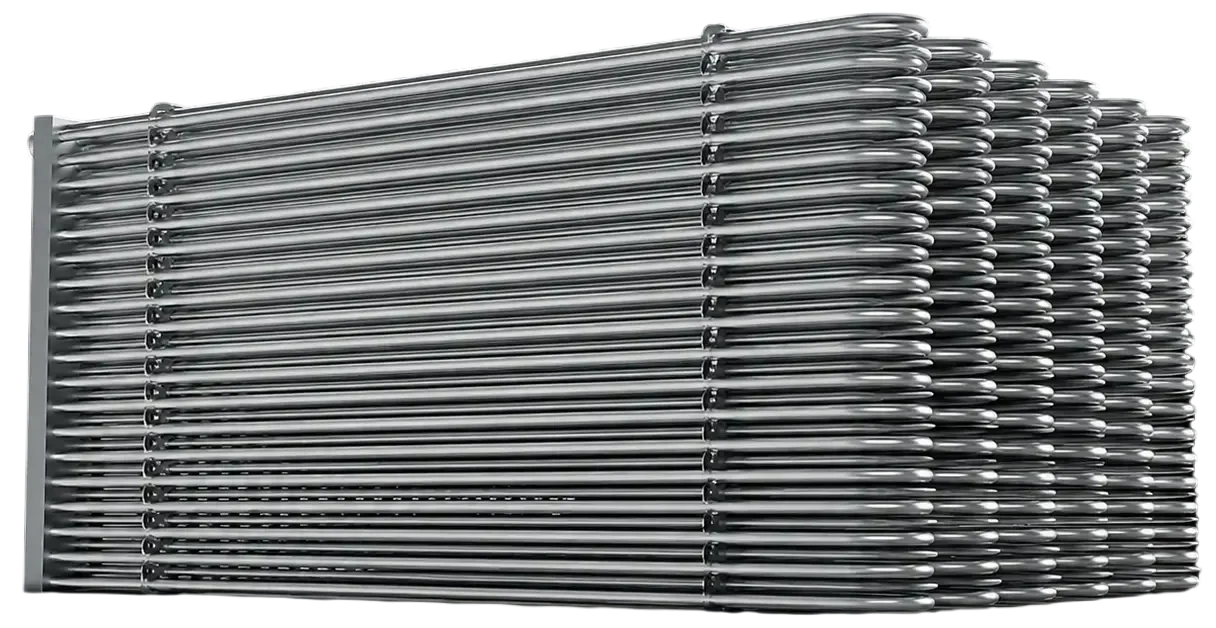
Heat exchanger coils without their stainless steel case
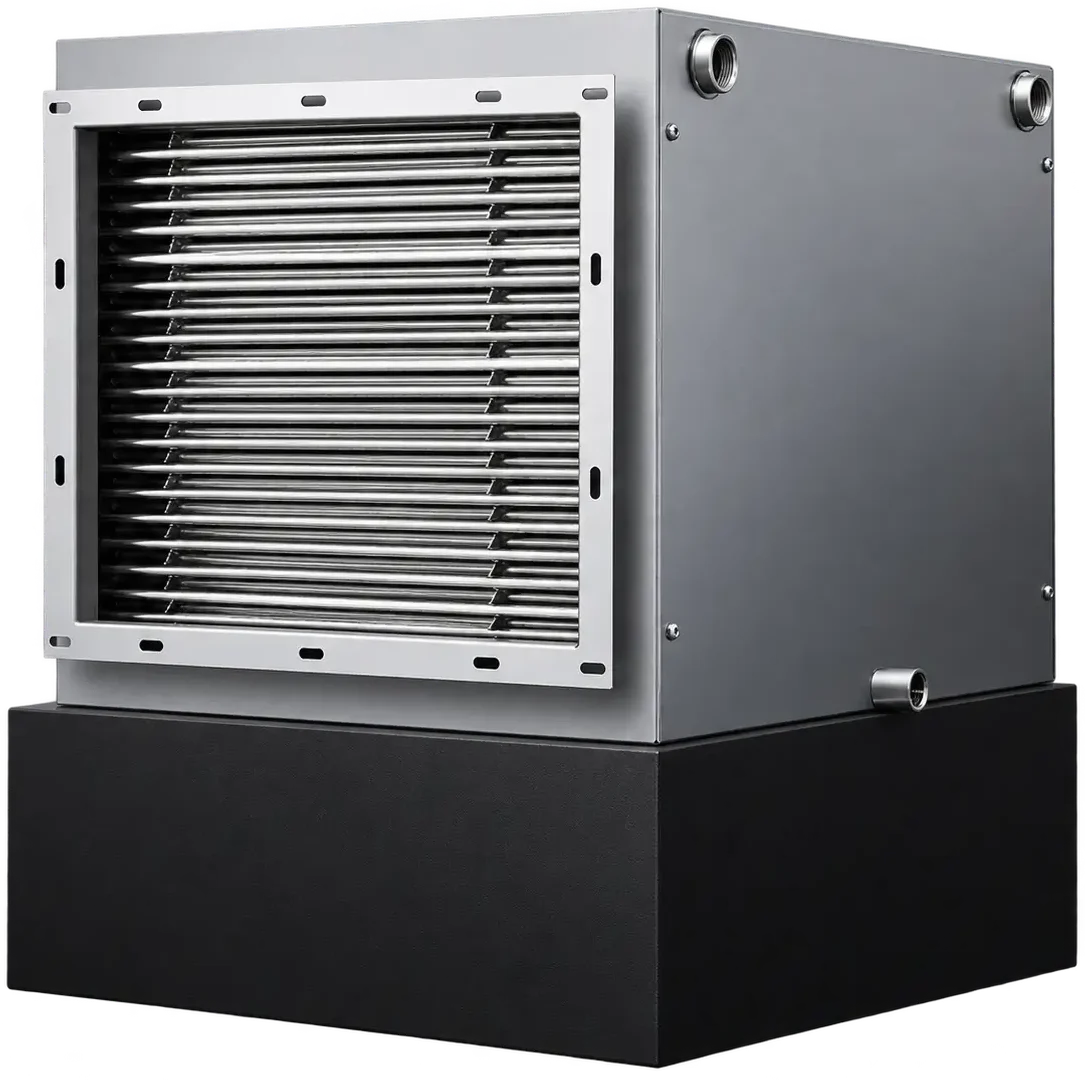
Lepido system components

The ThermStar platform

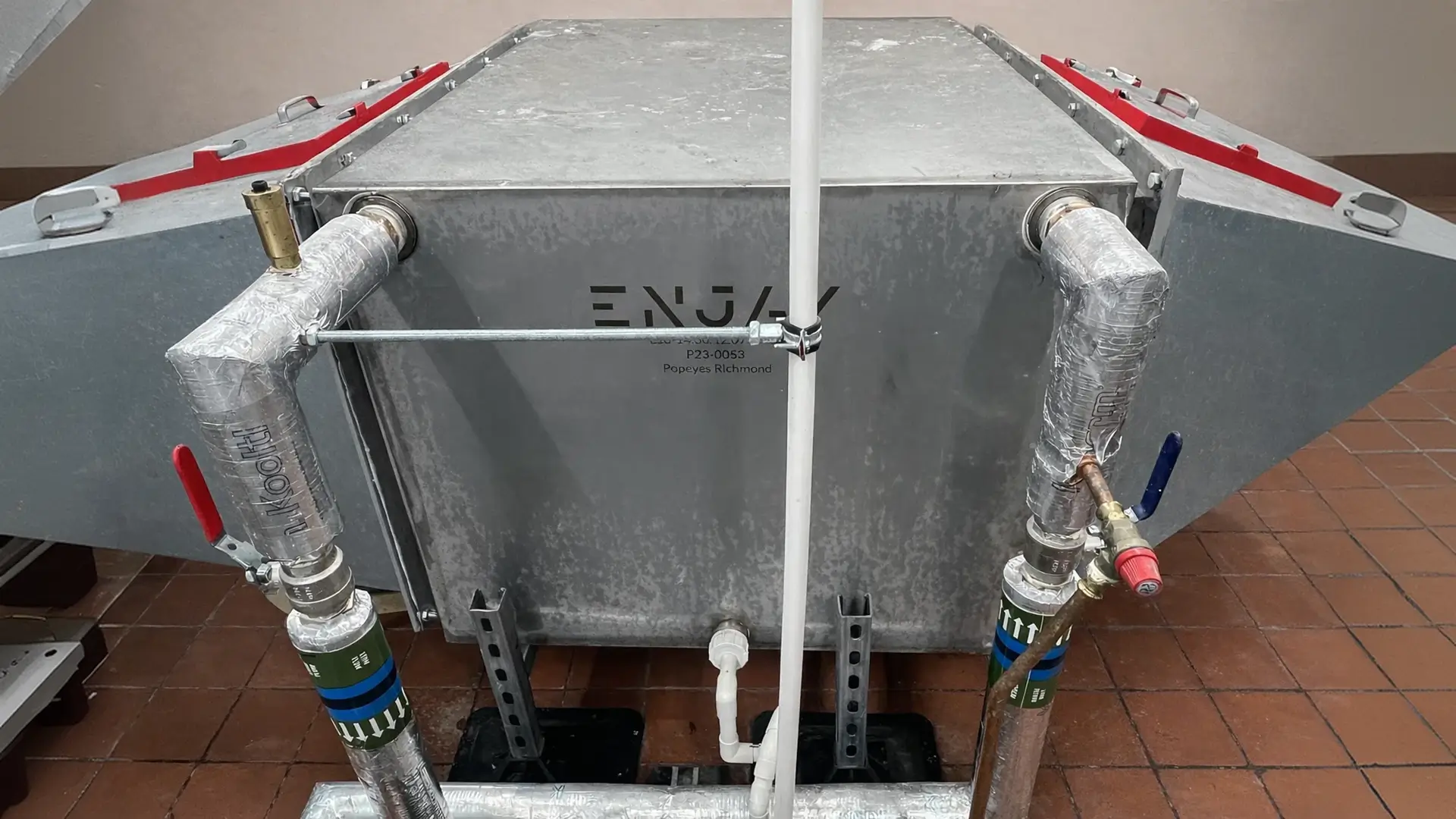
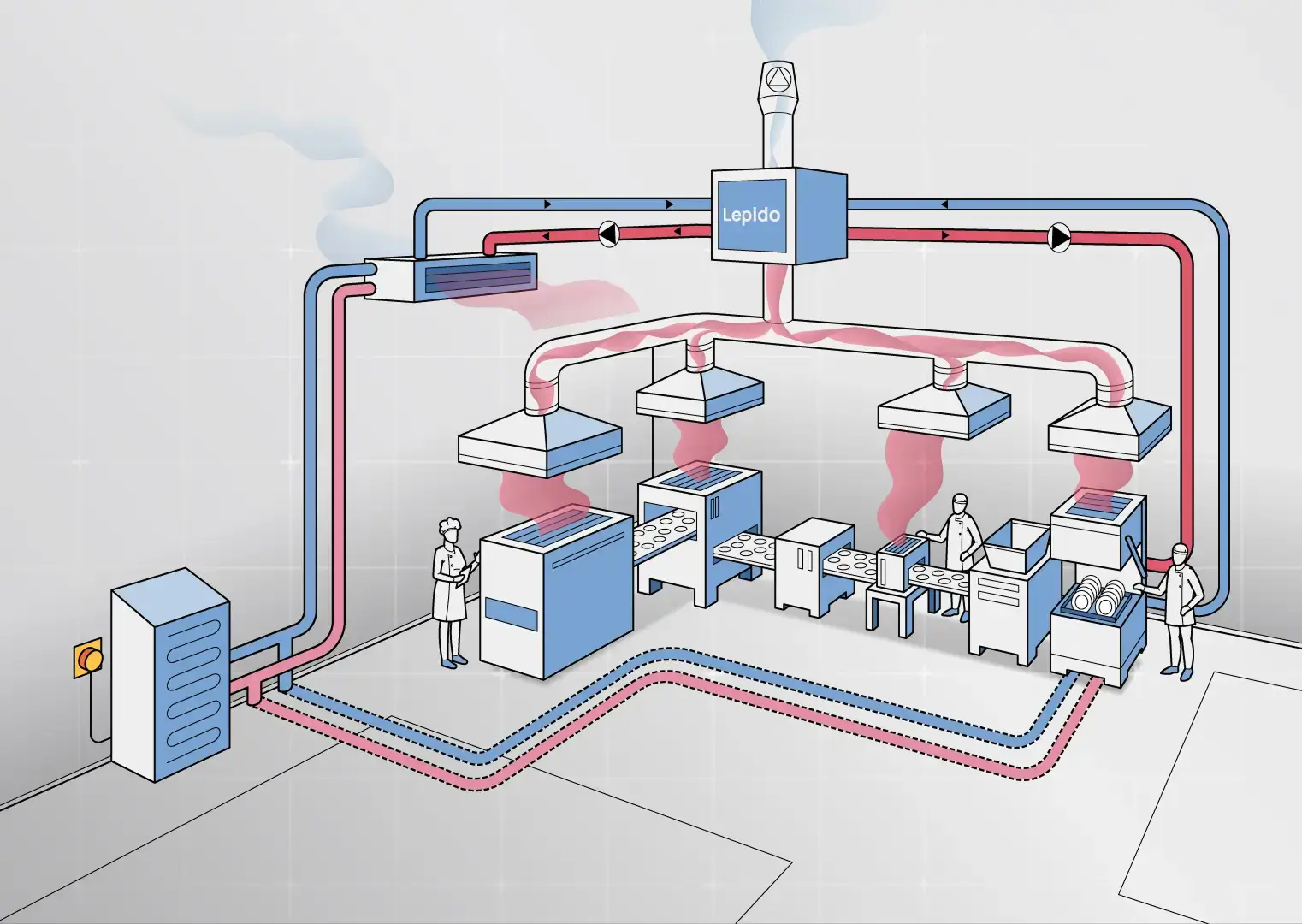
The ThermStar industrial heat recovery system uses Lepido® technology at the source and a closed fluid circuit to move energy to HeatCore Hx™ delivery equipment. ThermStar™ Power Intelligence can coordinate controls and provide performance data. This modular approach separates particle-laden exhaust from the receiving air, water, or process and supports flexible placement of the recovery and delivery components.

WHERE LEPIDO FITS

Integrated Into the ThermStar System™

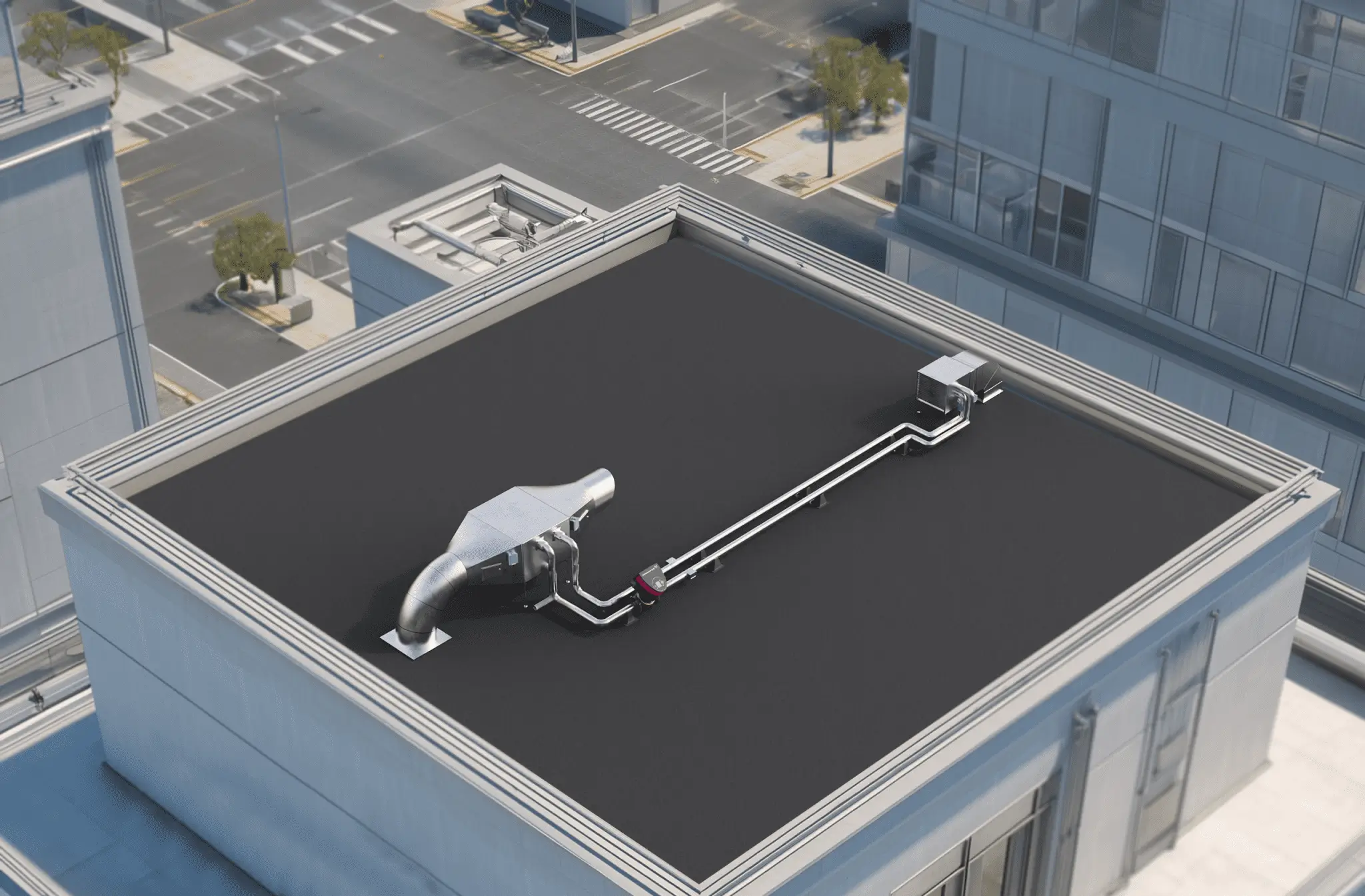
Norrel’s ThermStar System™ combines the power of the Lepido™ unit with a fully integrated solution:

This turnkey solution is designed for fast deployment and long-term reliability by preferred mechanical contractors using our installation guidelines.

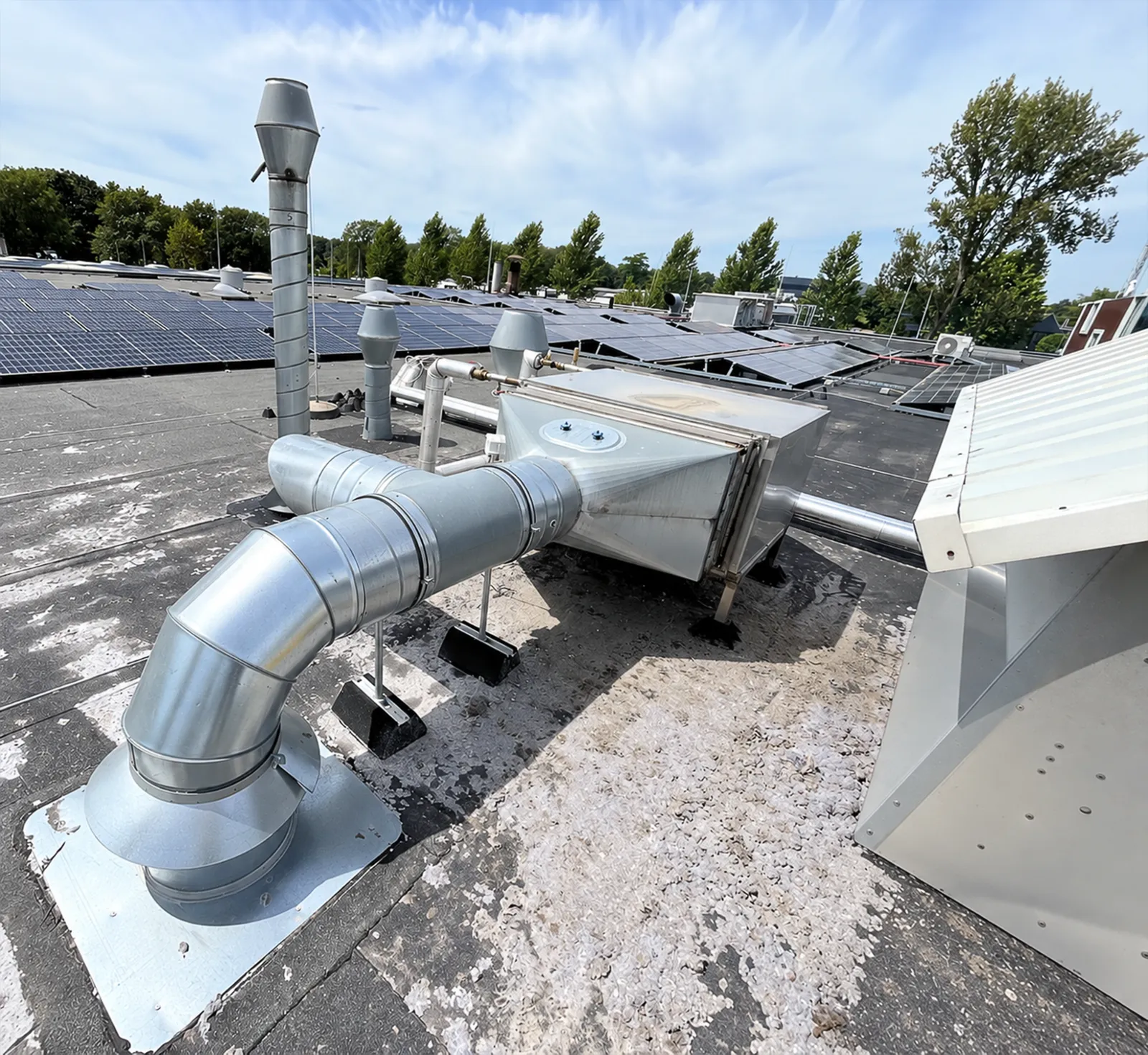
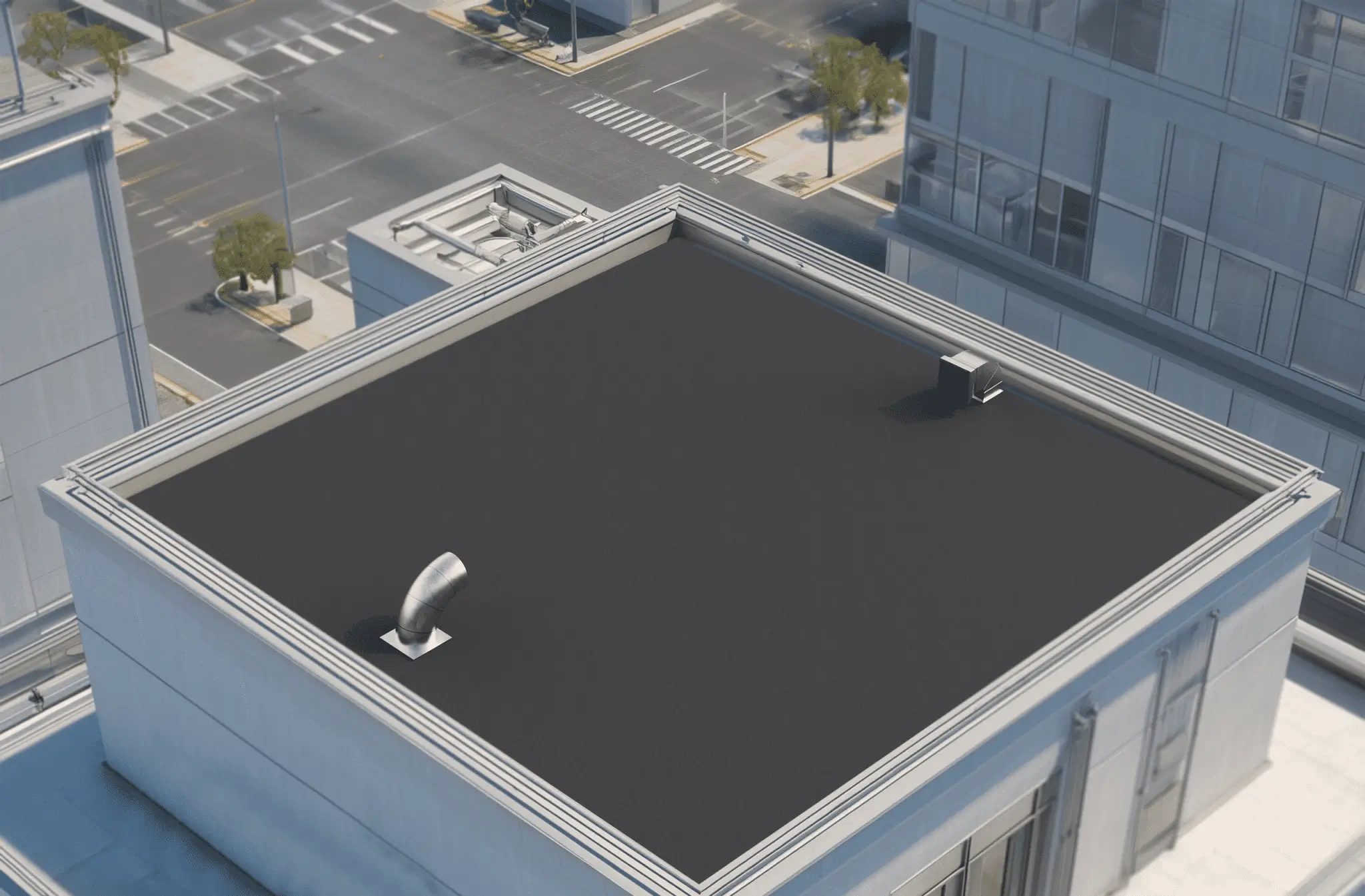
Restaurant roof before heat recovery
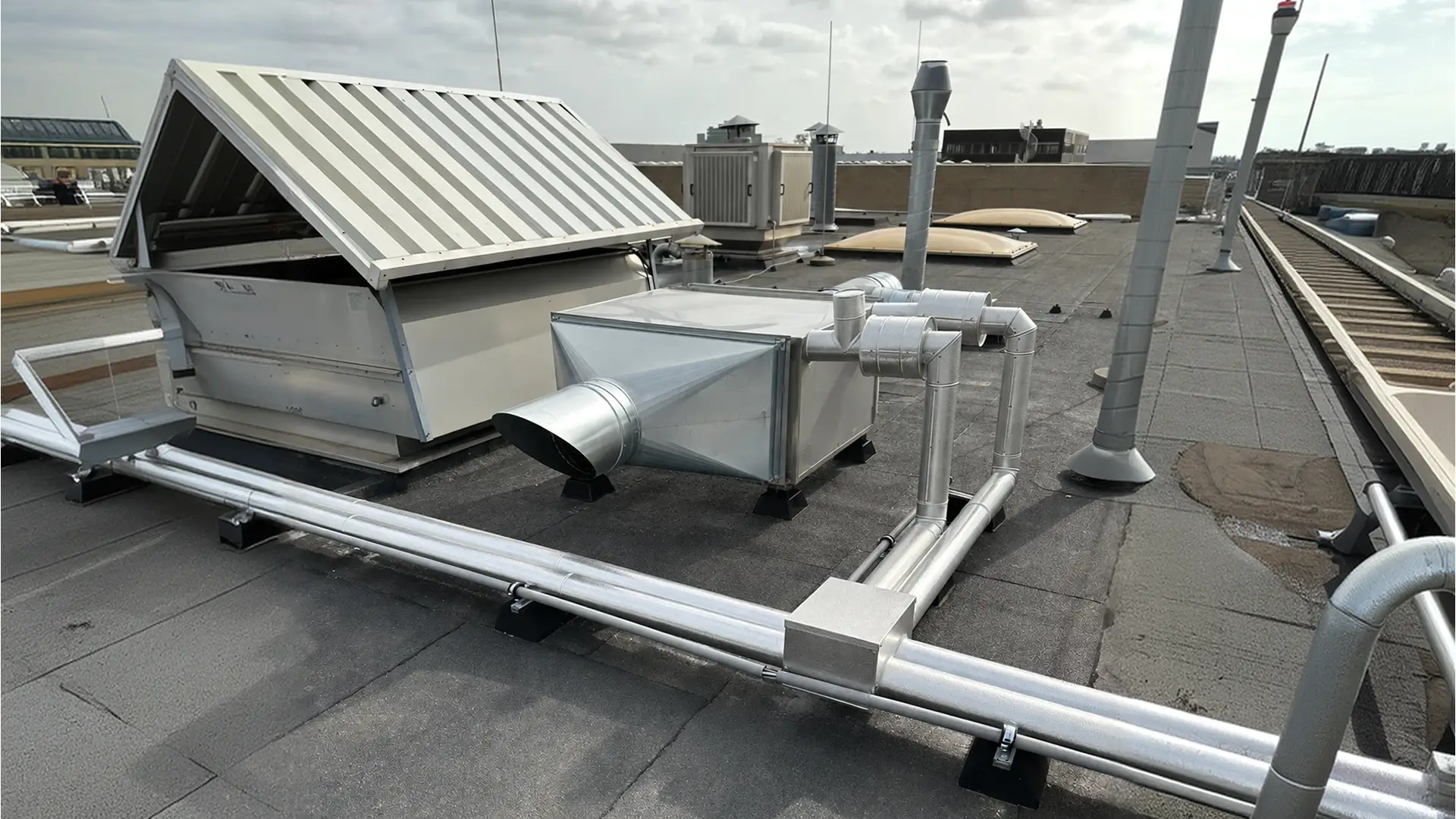
Restaurant roof after heat recovery
Before After

Waste heat recovery technologies and application fit

Different waste heat recovery technologies include finned coils, plates, rotary devices, heat pipes, run around loops, economizer equipment, and custom exchangers. Each has a useful operating range. ThermStar is differentiated by Particle Repellent Geometry and an open, finless source side design developed for demanding exhaust. Selection should reflect contaminants, temperatures, pressure limits, maintenance access, and the intended use of recovered energy.

From energy availability to business value

Effective waste heat utilization requires a demand that coincides with the source. A high temperature plume creates limited value if no compatible load operates at the same time. ThermStar evaluates source and demand together, then considers equipment, integration, maintenance, operating data, and project economics. This discipline helps organizations compare opportunities on a consistent basis.
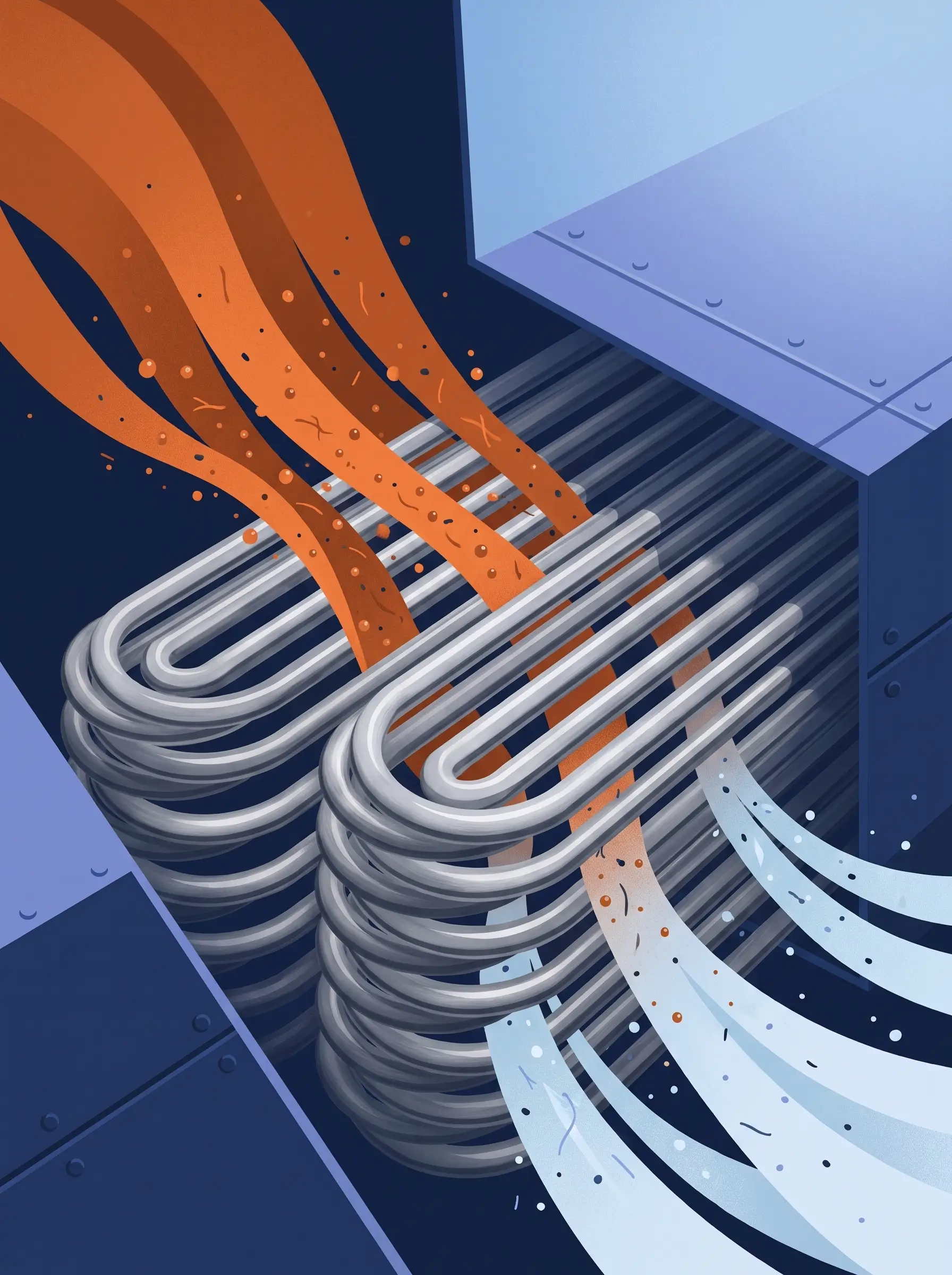
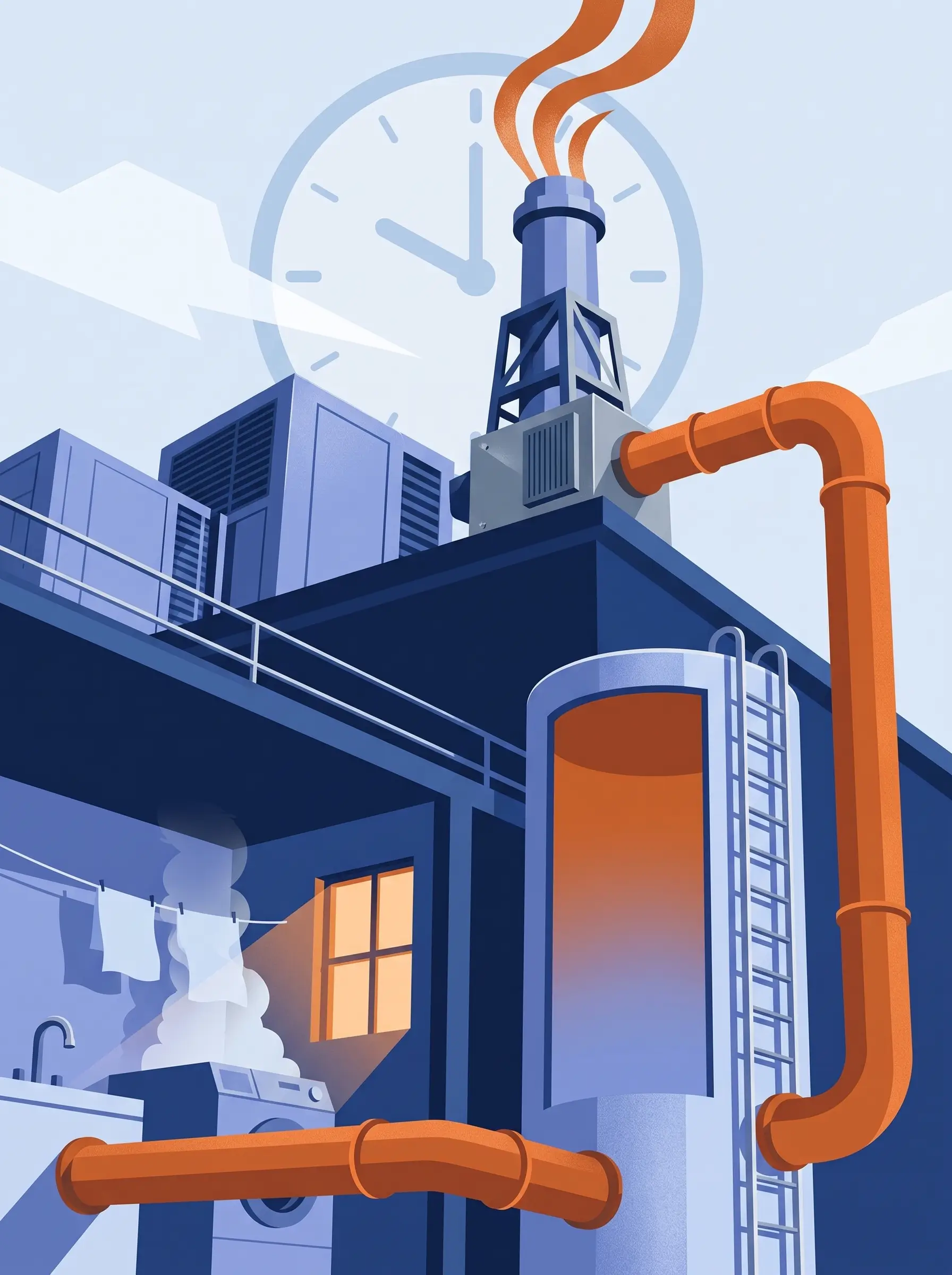
Waste heat recovery technologies and application fit
 From energy availability to business value
APPLICATION FIT

Where each technology fits

Every heat recovery technology has a useful operating range. In particle-laden exhaust, what decides the fit is how its surfaces cope with what the air carries.

Technology Works well in Watch for in particle-laden exhaust
Finned coils Clean air with steady flow Close fin spacing collects lint, grease and dust, raising pressure drop
Plate exchangers Clean, low particle air to air service Narrow channels can foul or block, with limited cleaning access
Rotary wheels Building ventilation, air to air Exhaust and supply air share the wheel, so contaminants can carry over
Heat pipes Separate airstreams at moderate temperatures Finned surfaces on the exhaust side still collect deposits
Run around loops Airstreams located far apart The exhaust side coil faces the same fouling as a finned coil
Economizers Boiler and combustion flue gas to feedwater Designed for flue gas, not grease, lint or process particulates
Lepido (ThermStar) Lint, grease, dust and humid exhaust Open, finless Particle Repellent Geometry; each application confirmed against approved technical information

Sustained, not just initial

A surface that fouls loses heat transfer and adds fan energy. ThermStar evaluates the exhaust environment first, because sustained operation matters as much as initial heat transfer.

BUILT FOR DIRTY EXHAUST

Why Lepido™?

In environments like industrial laundries, food processing plants, drying operations, and commercial kitchens, exhaust air is hot, humid, and filled with grease, soot, lint, or chemicals. These conditions quickly clog and render inoperable conventional heat exchangers, but not Lepido™.

Without Lepido™
Exhaust setup without Lepido
Without Lepido™
Exhaust setup with Lepido

Purpose-designed for industrial airstreams laden with grease, moisture, lint, or chemical particulates, Lepido™ features rugged, corrosion-resistant materials and a durable form factor engineered to perform in the toughest conditions, 24/7 and all year long

Traditional exchangers clog quickly, but Lepido’s patented Particle Repellent Geometry (PRG®) slows down particulate buildup, preserving high thermal efficiency and reducing maintenance frequency, even in dirty, grease laden exhaust.

A high-surface-area exchanger built for grease-laden and particulate-heavy air, sized to keep pressure drop low across the run.

Lepido™ is currently being used by commercial kitchens, production facilities around Europe to recapture excess heat in polluted exhaust air. At Europes biggest pancake factory located in the south of Sweden, the system will recover 1,500,000 kWh per year.

THE TECHNOLOGY

How Lepido™ Works

Particle Repellent Geometry (PRG®) reclaims waste heat in environments where others can’t.

Unlike traditional heat exchangers that rely on tightly spaced fins, Lepido features a finless, open coil design that works with the natural flow of particle-laden air.

Across the same dirty airstream Conventional finned exchanger Lepido with PRG®
Coil surface
Tightly spaced fins, narrow passages
Finless, open coil with wide spacing
Particle path
Grease and soot collect and stick
Particles pass through without clogging
Pressure drop
Climbs as the unit fouls
Stays close to where it started
Maintenance
Frequent cleaning to hold output
Drastically reduced intervention
Heat transfer
Depends on fin area staying clean
Same surface area, held by counter-current flow

What the air carries

Exhaust that fouls everything else

Grease, soot, moisture, lint and fiber arrive with the airstream, the load that closes a finned exchanger down.
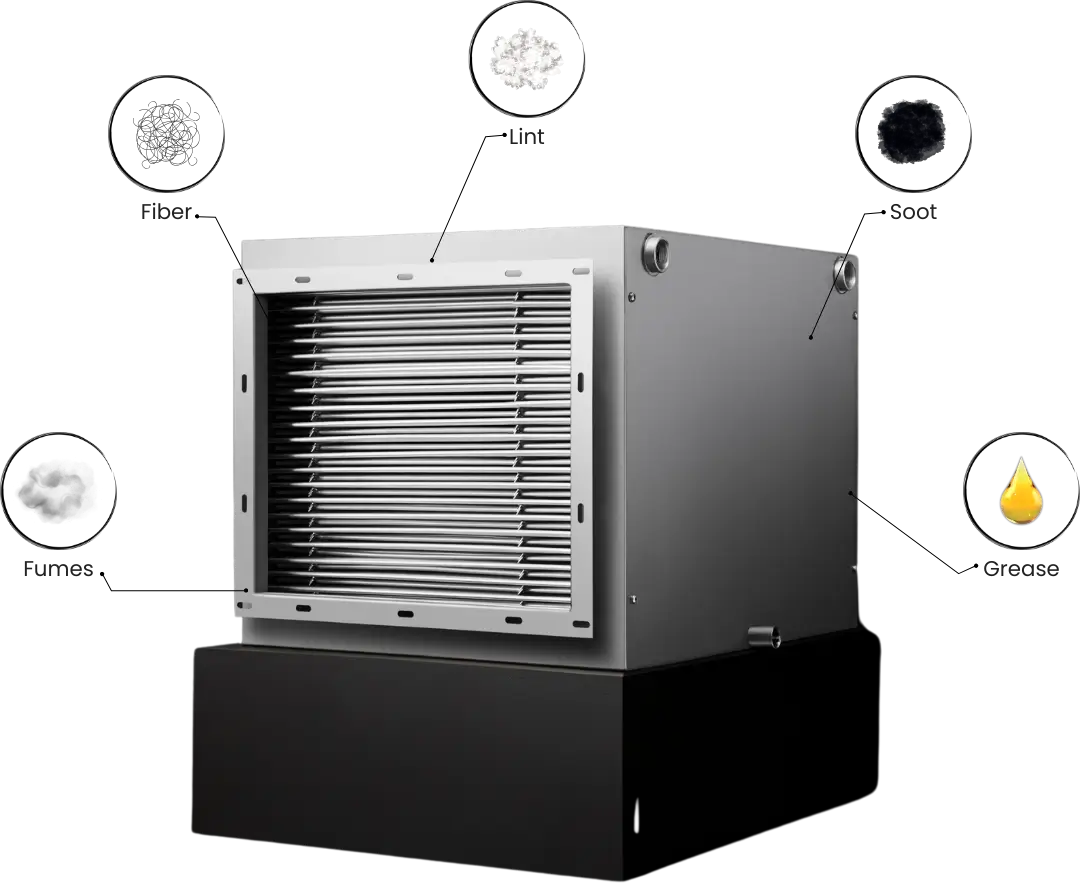
Contaminants Lepido is designed to handle: lint, grease, dust and moisture

Carried in, carried straight back out

  • Grease
  • Soot
  • Moisture
  • Lint
  • Fibre
  • Fumes

What the geometry does

Particles are repelled, not trapped

Ample spacing between the coils creates an airflow pattern that carries particles straight through the unit instead of onto its surfaces.
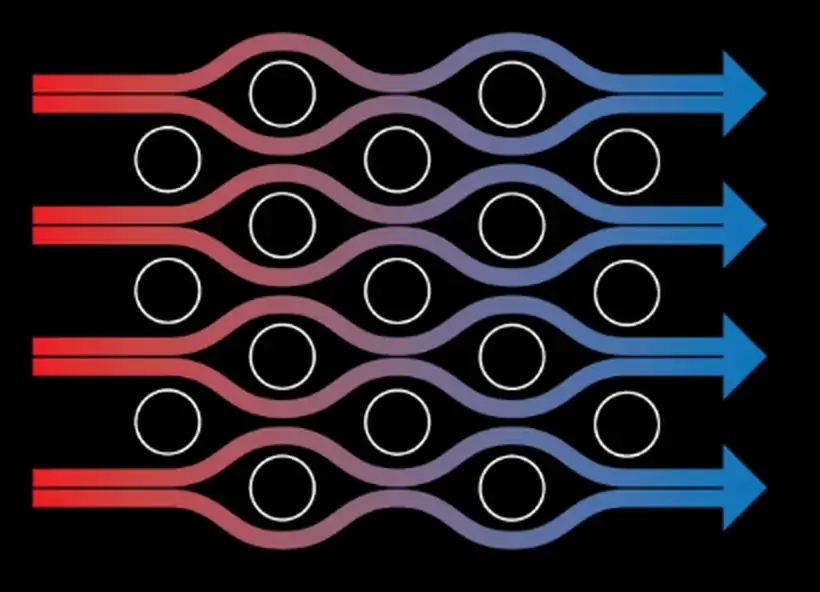
Diagram of exhaust flowing around staggered finless tubes in Particle Repellent Geometry
Hot particle-laden exhaust in Cooled air out →
  • Flow 100% counter-current
  • Circuiting Multiple fluid patterns
  • Transfer area Matched to a conventional coil
QUESTIONS TO ASK

Choose a qualified provider

When evaluating waste heat recovery companies, ask how equipment performs over time, how fouling and pressure drop are addressed, how savings will be measured, and who owns each engineering and installation responsibility.

ThermStar supports this evaluation through opportunity screening, technical review, documented configurations, partner coordination, and performance visibility.

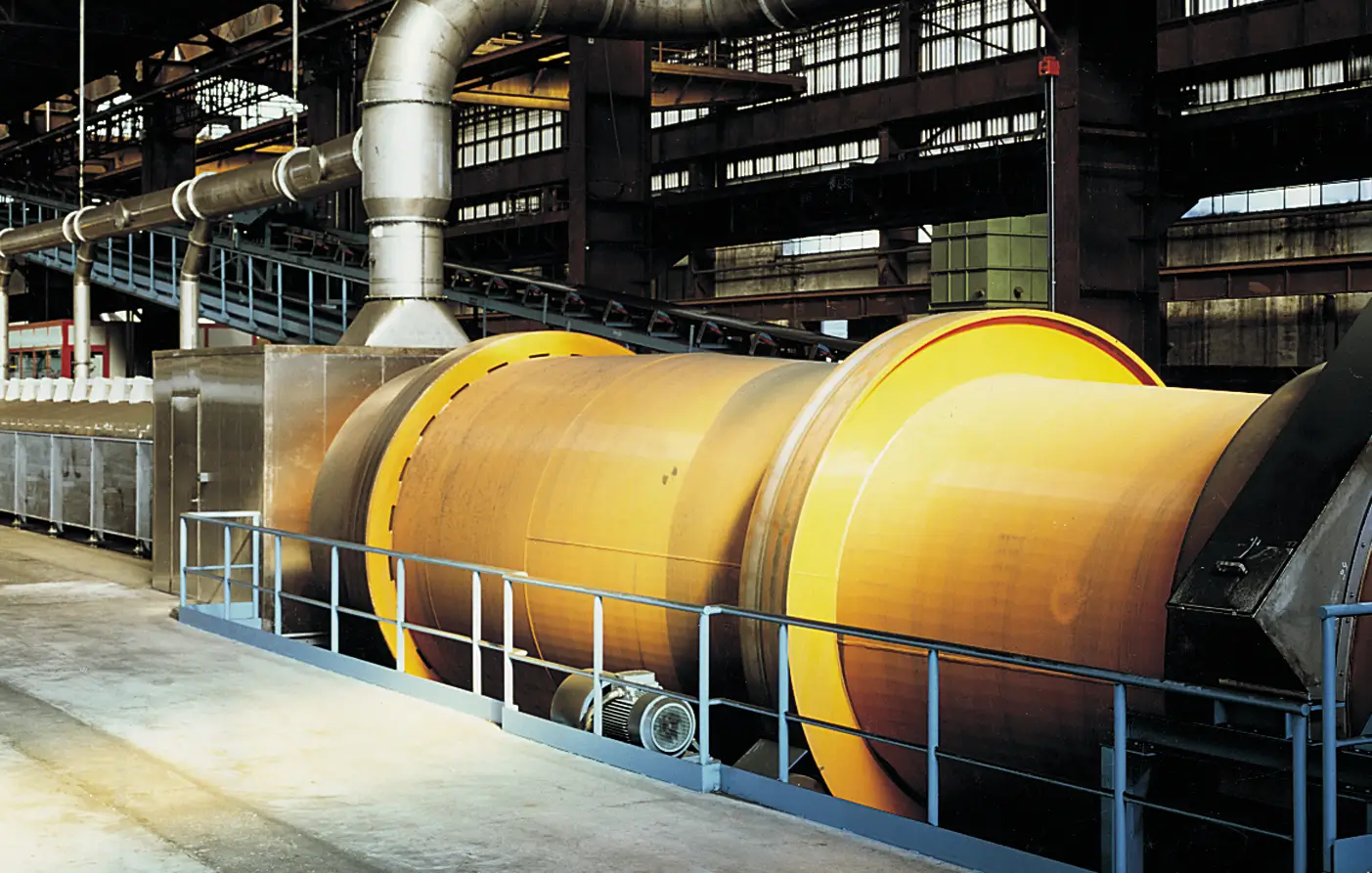
Foundry sand cooler with exhaust ducting
THE RECORD BEHIND IT

Proven before it came to North America

The core technology was invented in Sweden in 2016 and proven in commercial and industrial exhaust before its introduction to North America in 2025.

Figures describe the global Lepido record. See customers and installed experience.

Installed base

200 installations

More than 200 Lepido installations worldwide

Intellectual property

41 patents

In the global IP portfolio

Recognition

8 awards

International innovation and technology awards

COMMON QUESTIONS

What to know before you start

Can a heat recovery system be retrofitted to an existing facility

Yes, an existing facility can be evaluated when access, routing, controls, operating schedules, and tie in requirements are practical. The customer and its qualified project team determine the complete retrofit scope. ThermStar supports the approved recovery equipment and system interfaces defined for the project.

Potentially. A configuration may consider one or more receiving loads when their temperatures, capacities, schedules, locations, and control needs align with the available source. ThermStar evaluates the combined operating case before recommending an arrangement.

Performance depends on measured or confirmed source conditions, useful demand, operating overlap, equipment selection, control behavior, and installed conditions. Available sensors and monitoring can document temperatures, flow, status, operating time, and calculated thermal energy according to the approved method.

No. Exhaust composition, concentration, temperature, humidity, pressure constraints, cleaning practices, materials, safety requirements, and facility standards must be reviewed. ThermStar confirms applicability against current approved technical information before proposing equipment.