INDUSTRIAL LAUNDRY

Industrial laundry heat recovery systems

Industrial laundry heat recovery systems can capture thermal energy from dryer exhaust that would otherwise leave the facility. 

WHY LAUNDRIES ARE HARD

Tumble dryer heat recovery and lint laden exhaust

Laundries often have recurring heating demands for wash water, makeup air, process air, or boiler feedwater. When source and demand schedules align, recovered heat may reduce purchased fuel and strengthen facility economics.

Lint, moisture, temperature variation, and production schedules can make tumble dryer heat recovery challenging for equipment with dense fins or plates. Accumulation can restrict airflow and reduce performance. Lepido® uses open Particle Repellent Geometry designed to encourage lint and particles to pass through while maintaining pressure drop level.

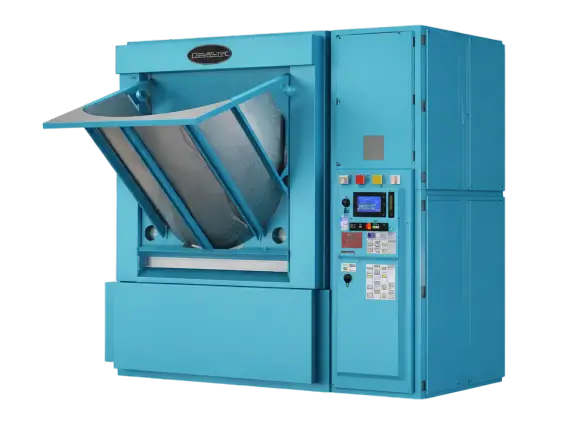
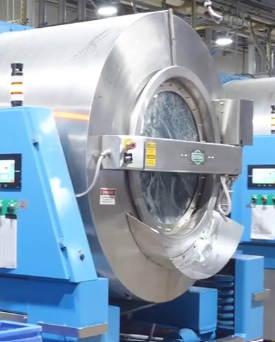
Industrial tumble dryer
WHERE HEAT GOES

Productive uses for recovered energy

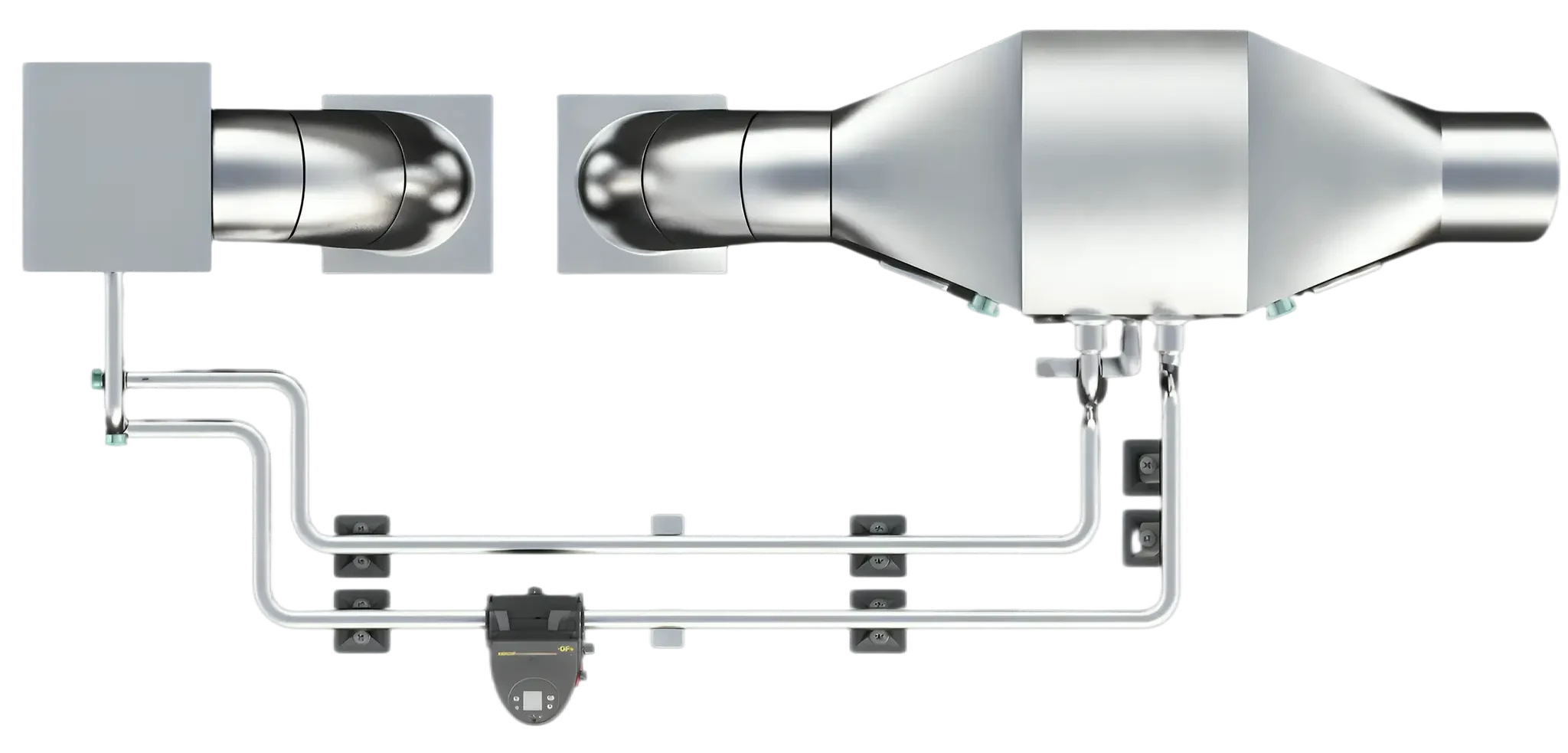
A ThermStar configuration can move source energy through a closed loop to approved air or fluid demands. The exhaust remains isolated from the receiving medium.

The most valuable use depends on temperatures, flow, operating overlap, utility rates, existing equipment, and the amount of energy the facility can consistently accept.

ThermStar System with Lepido source unit and fluid loop
BEYOND THE EQUIPMENT RATING

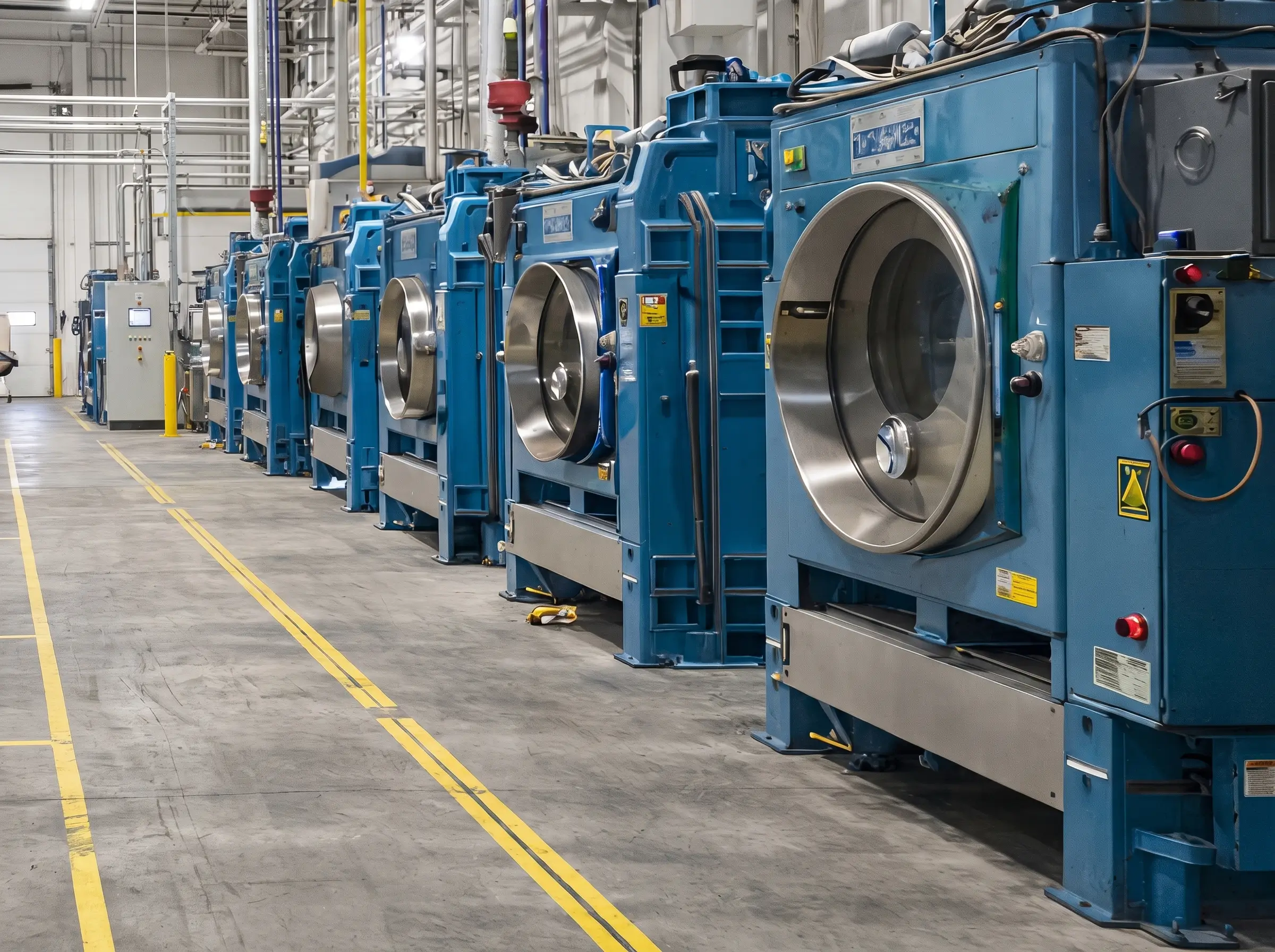
Operational value

Industrial laundry energy efficiency matters to plant operations, finance, maintenance, and sustainability. A well matched project can lower the energy required for recurring thermal loads. A strategy to reduce natural gas costs should still account for installed scope, maintenance, controls, available incentives, and measured operation rather than relying on a simple equipment rating.

HOTELS, LINEN, UNIFORMS

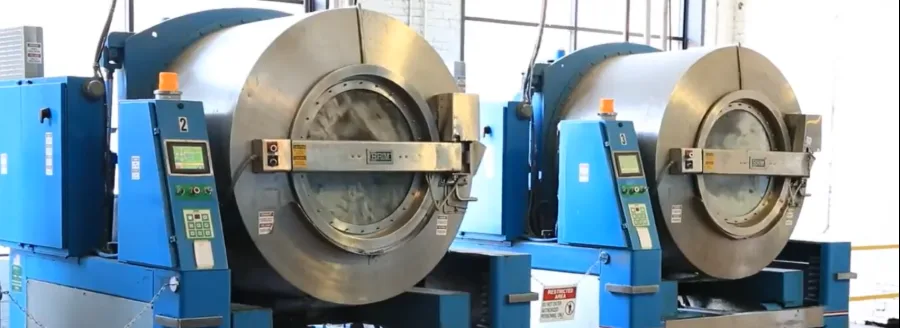
Hotels and linen operations

Hotel laundry energy savings may be available where dryer exhaust and hot water demand occur at useful times. Larger linen, uniform, health care, hospitality, and institutional facilities may have additional loads or several exhaust sources. ThermStar can screen one location or help an operator compare opportunities across a portfolio.
Operational value
Hotels and linen operations
FIVE THINGS TO SEND

Start with facility data

Provide a brief description of the dryers, exhaust, hours, fuel, and possible heat demand. ThermStar can identify the information needed for a technical review and determine whether the application warrants a preliminary assessment.

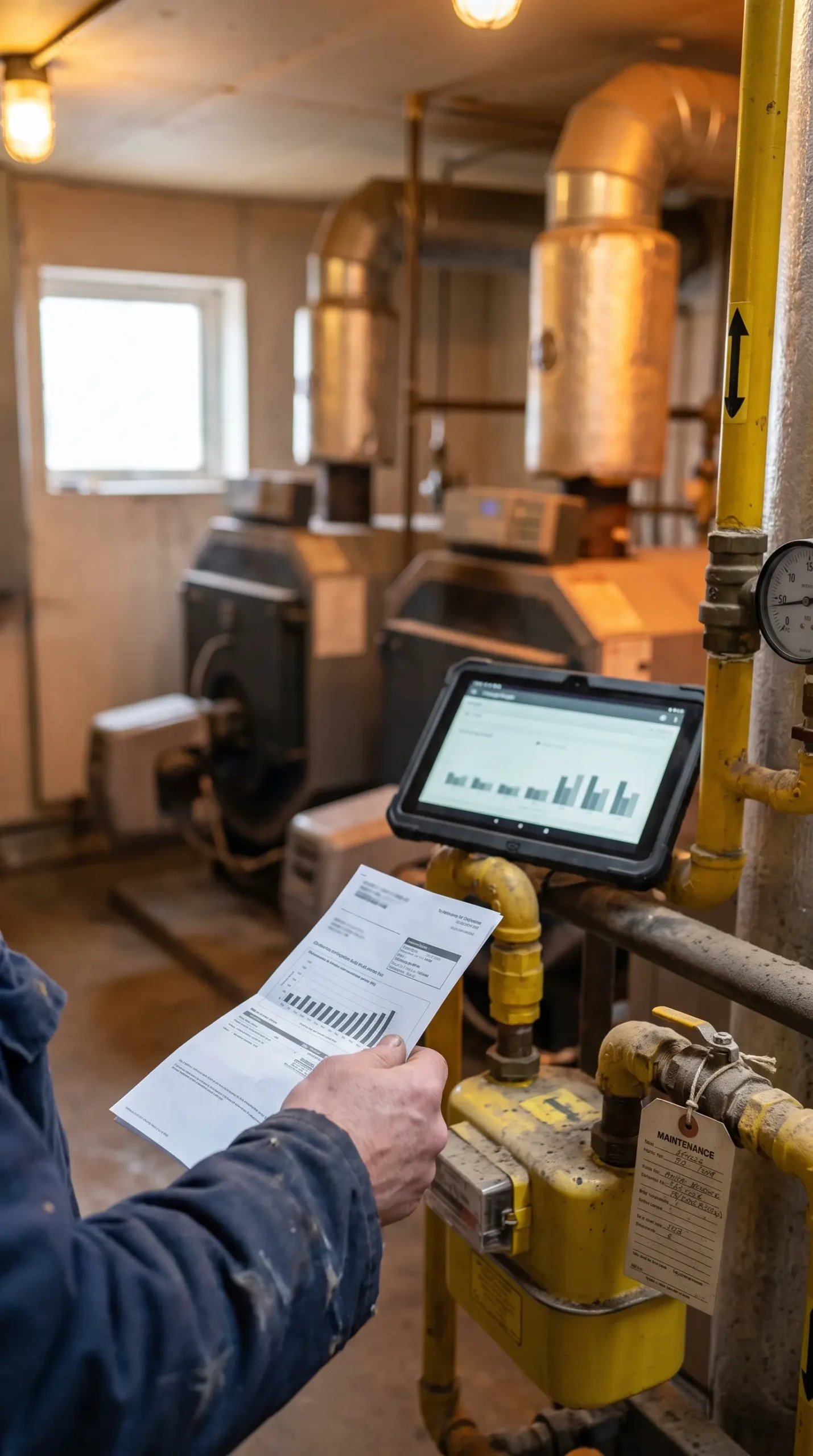
Utility bill held up in a boiler room
COMMON QUESTIONS

What to know before you start

What makes an industrial laundry heat recovery project viable

The strongest candidates have a consistent thermal source, a productive receiving load, useful temperature alignment, overlapping operating hours, workable integration, and enough displaced energy value to support the project. A high exhaust temperature by itself is not sufficient.

Possible uses include approved process air, makeup air, process water, domestic hot water, boiler feedwater, and other thermal demands. The selected use must be compatible with the available temperature, capacity, schedule, location, controls, and facility requirements.

Yes. An organization can begin with a portfolio screen using consistent information from multiple sites. ThermStar can help identify which locations deserve deeper review. Findings from one project may inform later work, but each facility still requires confirmation.

Savings are based on useful recovered energy and the energy it displaces. A project specific method may use temperature, fluid flow, operating time, equipment status, baseline efficiency, and approved conversion factors. Actual reporting depends on the installed monitoring and any utility or internal requirements.