

Technical Data Review and Preliminary Opportunity Assessment

ThermStar reviews your exhaust source and the load that could use its heat side by side, then gives you a clear answer on whether the project is worth pursuing: advance, collect more data, or pause.

BOTH SIDES

Review the source and the demand together

A heat recovery opportunity requires both available thermal energy and a productive place to use it. ThermStar reviews the exhaust source alongside the proposed receiving load so that temperature, timing, capacity, and operating patterns can be compared.

This prevents a project from being evaluated on source heat alone.

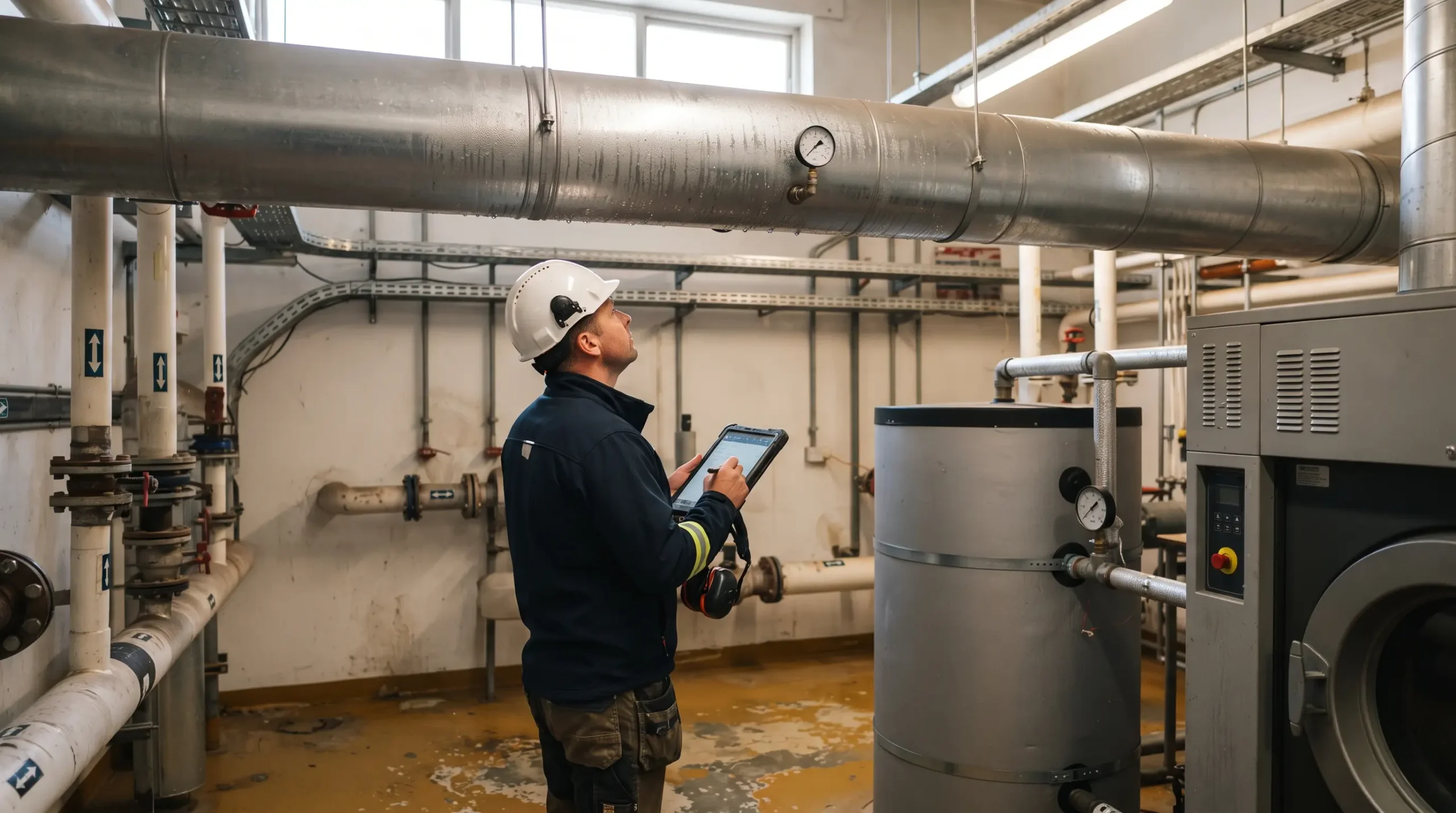
Engineer checking gauges in an industrial plant
THE DATA

Technical data review

The review may include exhaust temperatures, airflow, humidity, particulate or grease content, operating hours, production variation, existing fans, duct conditions, available space, and access for installation or service.

On the demand side, ThermStar may review process air, water, boiler feedwater, or other heating requirements. Utility use and rates help establish the value of displaced energy.

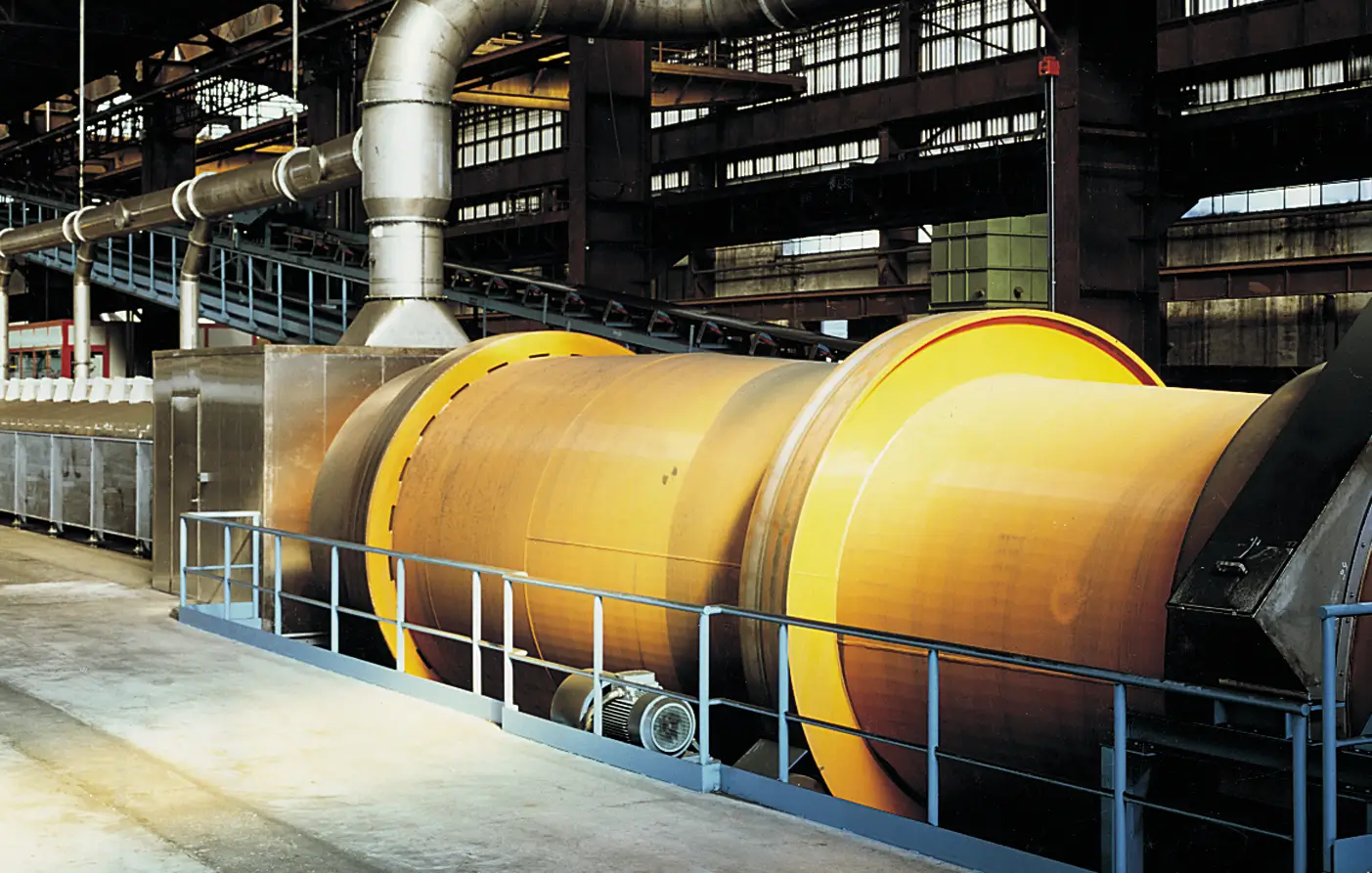
Foundry sand cooler with exhaust ducting
THE FIRST DRAFT

Preliminary system concept

ThermStar considers the number and placement of heat recovery units, fluid loop routing, delivery equipment, controls, freeze protection, process interfaces, and site limitations.

The analysis can identify data gaps or field conditions that need confirmation by the customer and its project professionals. The concept remains flexible until the application requirements and responsibilities are established.

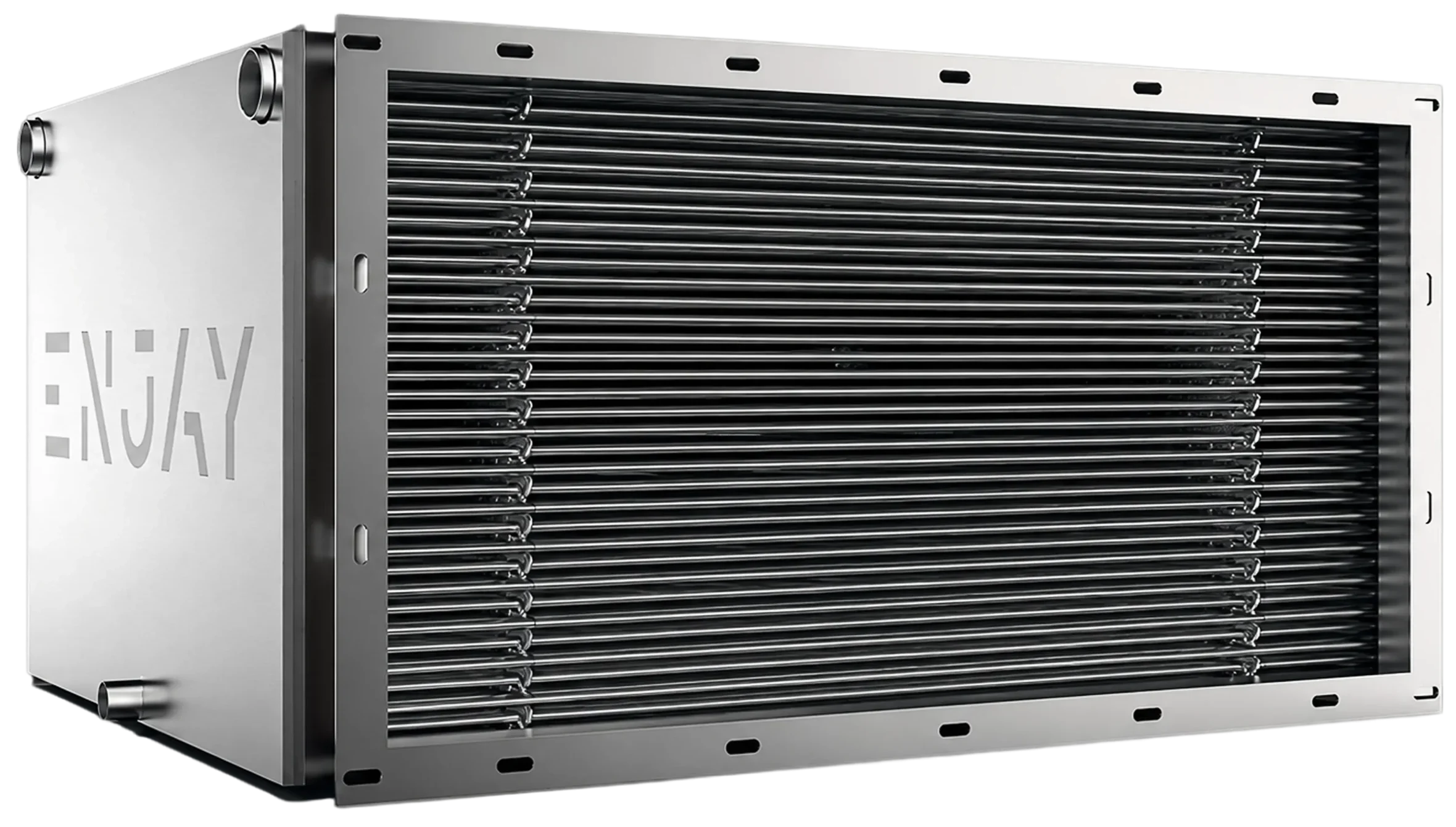
Lepido exhaust heat exchanger
THE NUMBERS

Preliminary heat recovery performance and economics

The assessment estimates how much source energy may be available, how much can be delivered to a useful load, and when the two operating schedules overlap. It can also consider capital scope, energy value, operating costs, maintenance, and potential utility support. Results are presented as preliminary because actual performance depends on final design, installed conditions, controls, and operation.

Preliminary heat recovery performance and economics
ADVANCE, HOLD OR PAUSE

Decision and next step

The review supports a practical choice. A strong opportunity can advance to a ThermStar configuration and proposal. An opportunity with missing information can remain open while specific data is collected. A weak fit can be paused before significant project resources are committed. Request an Assessment to begin with the information already available at your facility.

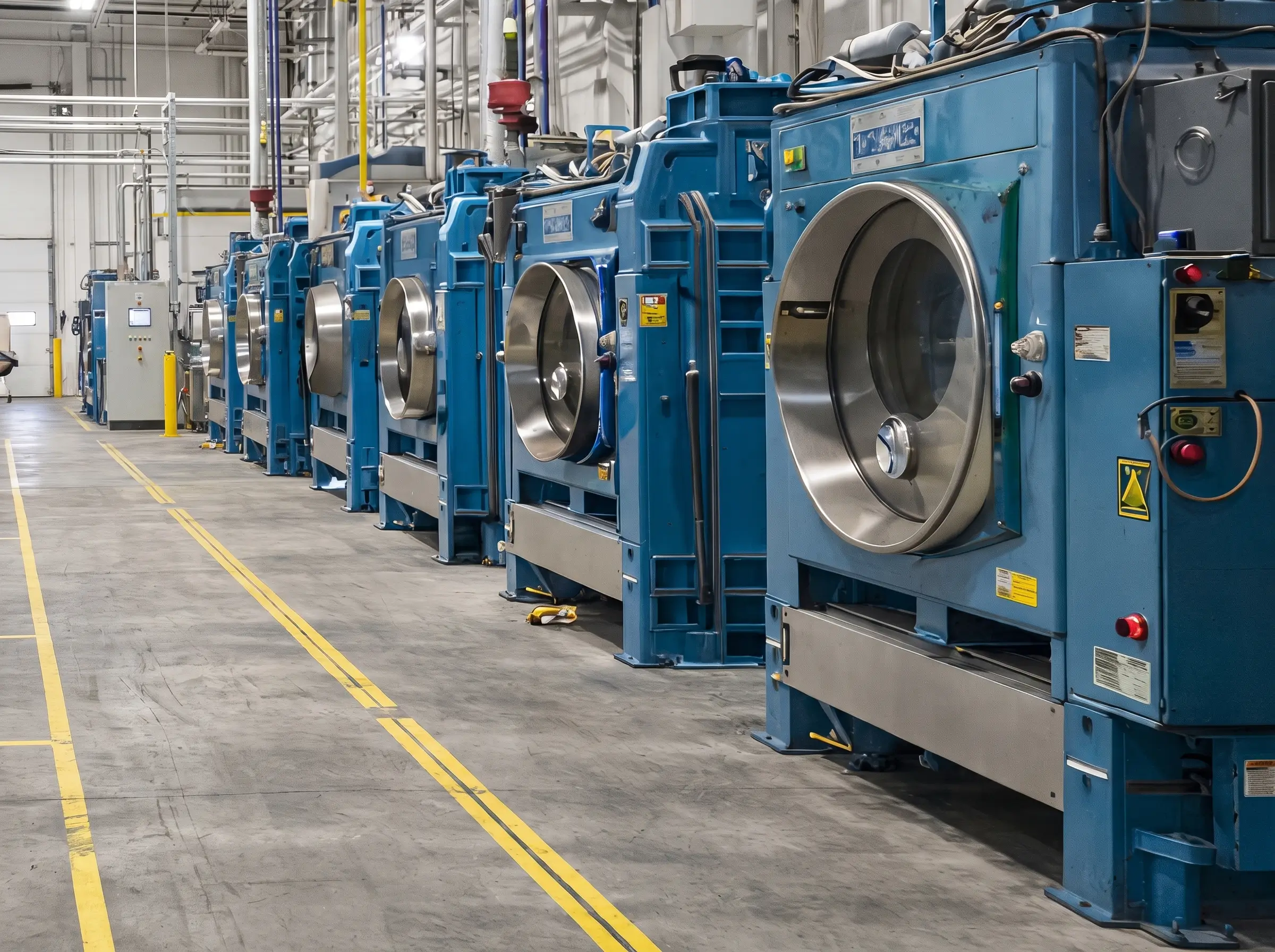
Industrial laundry machines
COMMON QUESTIONS

What to know before you start

What facility data is needed for a technical data review

The review may use exhaust temperatures, airflow, humidity, particulate or grease content, operating hours, production variation, existing fans, duct conditions, available space, and access for installation or service. On the demand side it looks at the process air, water, boiler feedwater, or other heating requirement, together with utility use and rates. ThermStar asks only for the data that matters to your application.

Timing depends on the complexity of the source, the availability of facility data, and the number of project participants. A simple screen can move quickly. A technical assessment takes longer when operating
conditions, equipment interfaces, or receiving loads require confirmation. ThermStar defines the next information request at each stage.

No. The early process is intended to determine whether further evaluation makes sense. A customer decides whether to advance after reviewing the available findings, information gaps, likely configuration, responsibilities, and preliminary economics.

ThermStar supplies approved components, system technology, and the related support stated in its proposal. Qualified engineers, specifiers, contractors, manufacturers, and other project professionals remain responsible for their assigned scopes, approvals, permits, code compliance, and field work.