
Industrial energy efficiency across commercial and industrial sectors
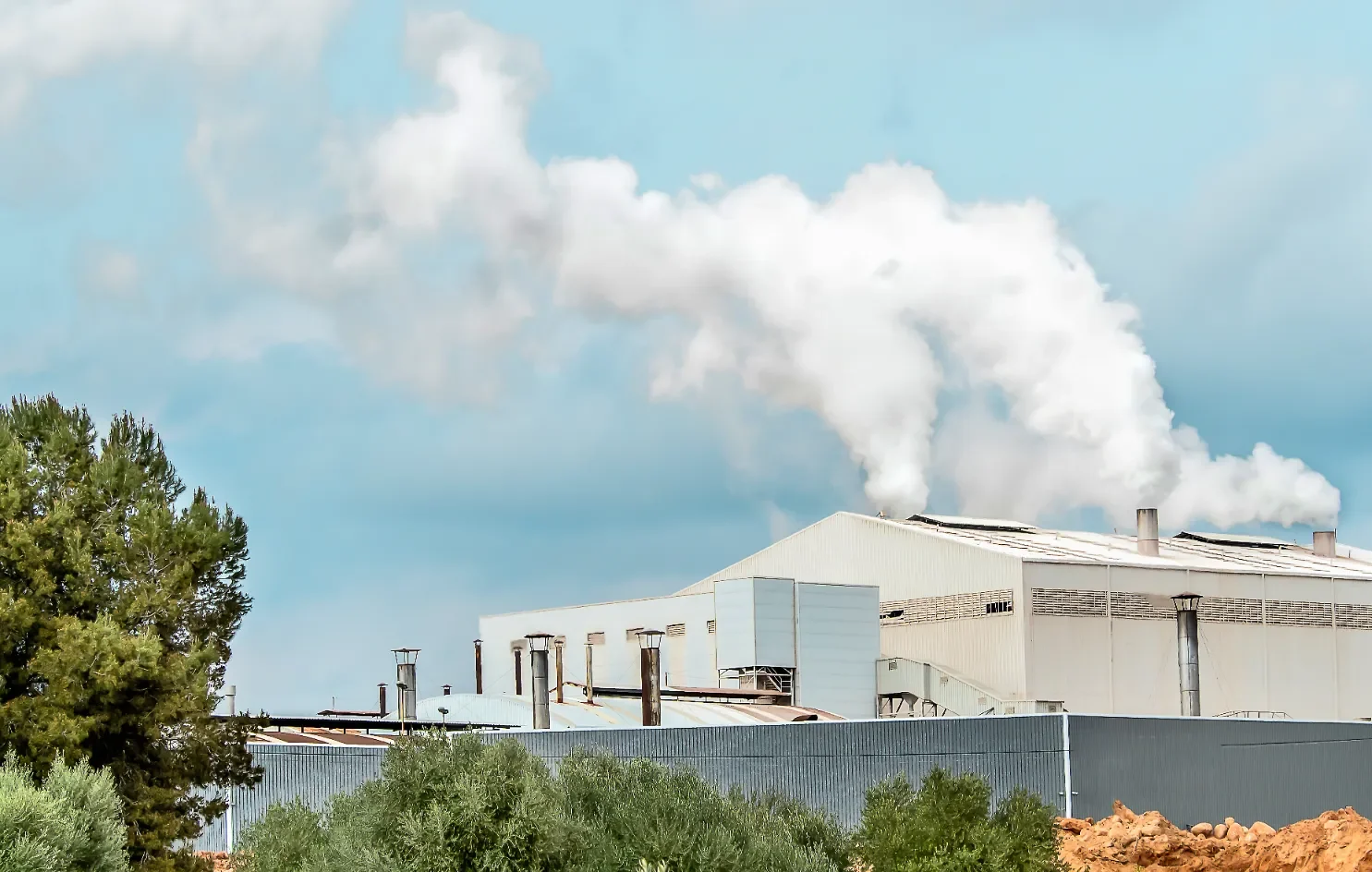
ThermStar supports industrial energy efficiency by recovering thermal energy from exhaust and returning it to a productive use.
Current focus industries
Strong opportunities often combine repeatable operating hours, a meaningful exhaust temperature, a compatible heating load, and energy costs that support investment. Each industry brings different contaminants, process constraints, and integration needs.
ThermStar serves industrial laundry, food manufacturing, pet food production, foundries, general manufacturing, restaurants, and commercial kitchens. These environments may release heat through dryers, ovens, cook lines, rendering, furnaces, boilers, and other processes.
Dedicated industry pages explain common sources, uses, operating considerations, and assessment questions.
Commercial applications
Commercial facility efficiency can improve when facilities reuse heat already produced by their operations. Restaurants, kitchens, hotels, institutional laundries, and similar buildings may pair exhaust with hot water, makeup air, or another recurring demand.
Application fit still depends on schedule, temperature, layout, maintenance, and economics.


Heat from every dryer cycle, back into the wash
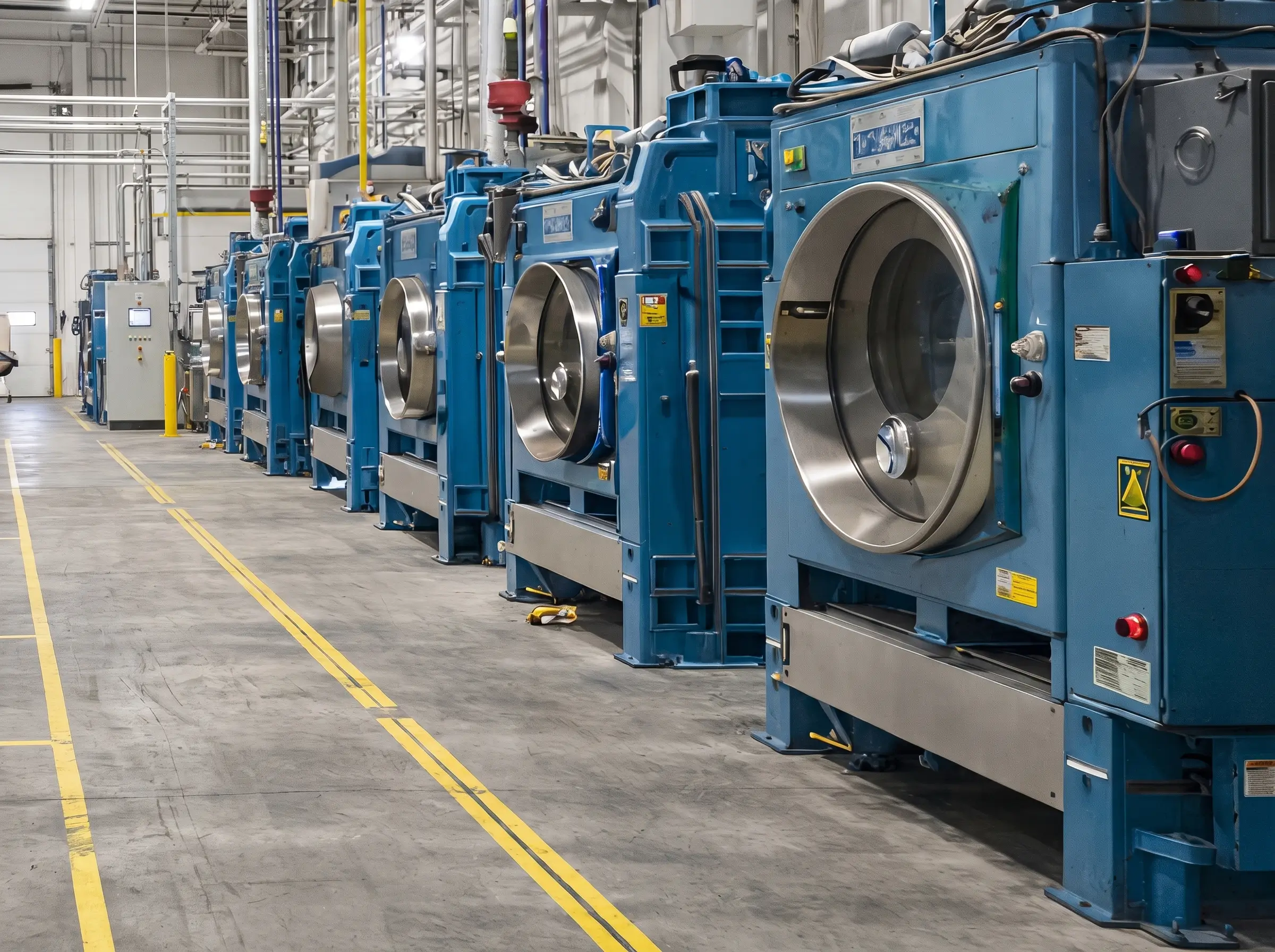
Tumble dryer exhaust recovered into wash water, makeup air, process air or boiler feedwater, through equipment built for lint.
Discover Industrial LaundryHumid, oily oven exhaust, put to work
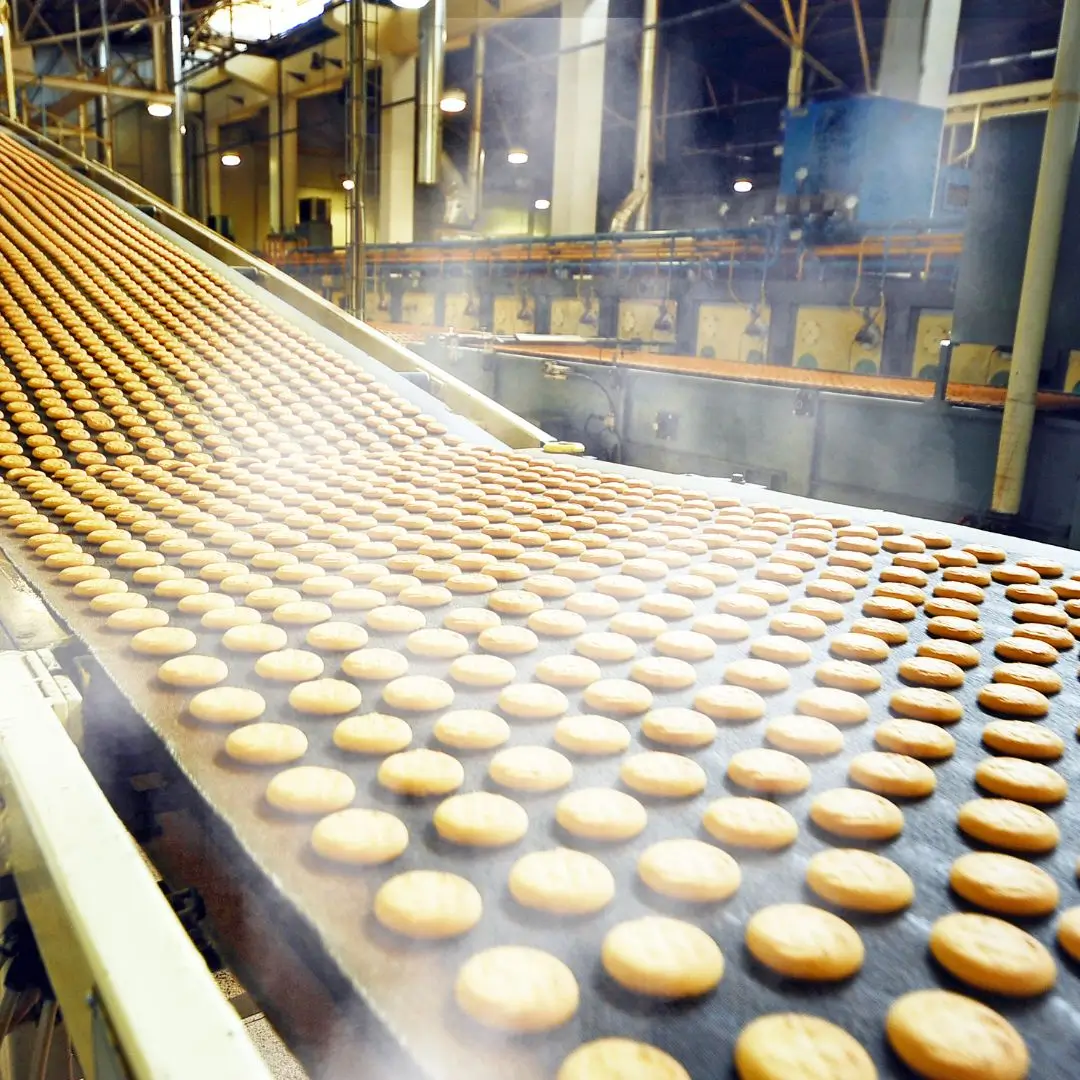
Ovens, dryers, roasters, fryers and cook lines feeding process water and boiler feedwater elsewhere in the plant.
Discover Food ManufacturingExtrusion, drying and rendering, recovered
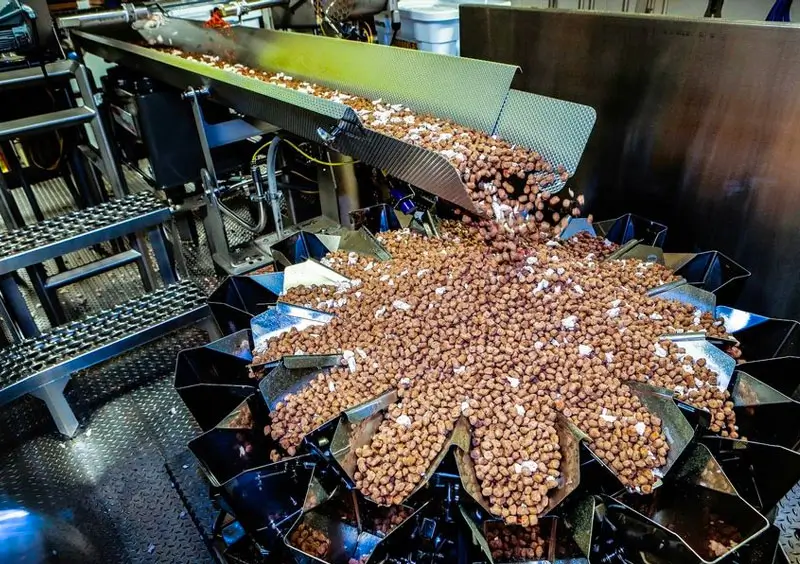
Particle-laden exhaust from extrusion, drying and rendering redirected to process air, water or boiler loads.
Discover Pet FoodFurnace heat back into the process
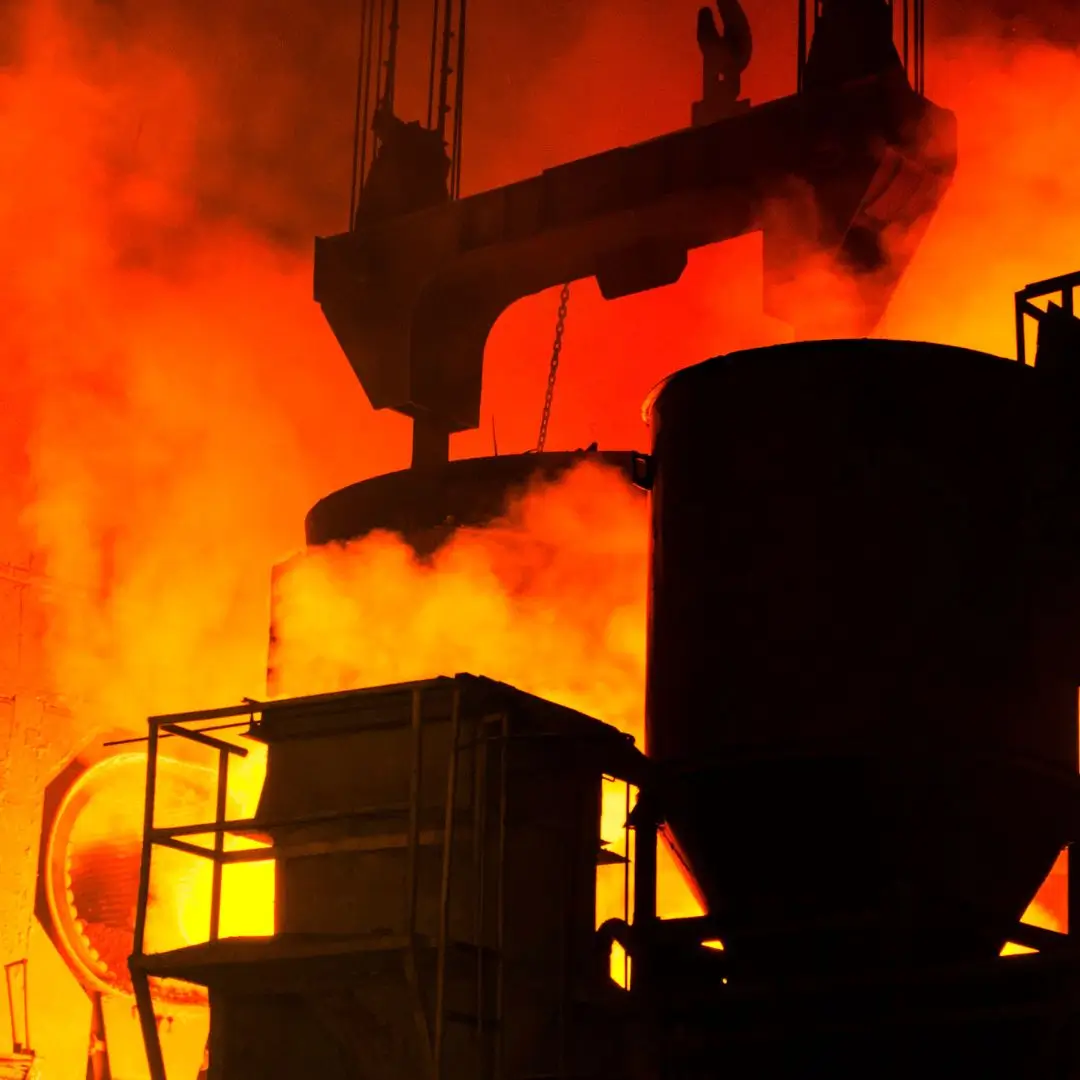
Melting, holding and heat-treatment exhaust into combustion air, makeup air, water or feedwater, where dust loading allows.
Discover FoundriesOne line first, then the whole network
Ovens, dryers, boilers, furnaces and process ventilation, screened against real heating demand, site by site.
Discover ManufacturingWhere Lepido began
Grease-laden kitchen exhaust into hot water and makeup air. Launched in Sweden in 2016 for exactly this airstream.
Discover Restaurants & Kitchens01 / 06

Heat from every dryer cycle, back into the wash
Tumble dryer exhaust recovered into wash water, makeup air, process air or boiler feedwater, through equipment built for lint.
Discover Industrial Laundry
Humid, oily oven exhaust, put to work
Ovens, dryers, roasters, fryers and cook lines feeding process water and boiler feedwater elsewhere in the plant.
Discover Food Manufacturing
Extrusion, drying and rendering, recovered
Particle-laden exhaust from extrusion, drying and rendering redirected to process air, water or boiler loads.
Discover Pet Food
Furnace heat back into the process
Melting, holding and heat-treatment exhaust into combustion air, makeup air, water or feedwater, where dust loading allows.
Discover Foundries
One line first, then the whole network
Ovens, dryers, boilers, furnaces and process ventilation, screened against real heating demand, site by site.
Discover Manufacturing
Where Lepido began
Grease-laden kitchen exhaust into hot water and makeup air. Launched in Sweden in 2016 for exactly this airstream.
Discover Restaurants & KitchensOperating in Plants, Laundries, Hotels and Commercial Kitchens in 13 Countries.
-
-
-
-
-
-
- VOLVO
- DE BRUYN
-
-
-

-

-

-

-

-

-

-

-

-
-

-

- DISHOOM
-

-

-

-

-

-

-

-

-

-

-

-

-

-

-

-

-

-

-

-
-

-

-

-

-

-

-

Representative customer logos are shown for illustrative purposes. At least one installation utilizing Lepido® heat recovery technology has been completed or is in process at a facility associated with each organization displayed.
Manufacturing applications
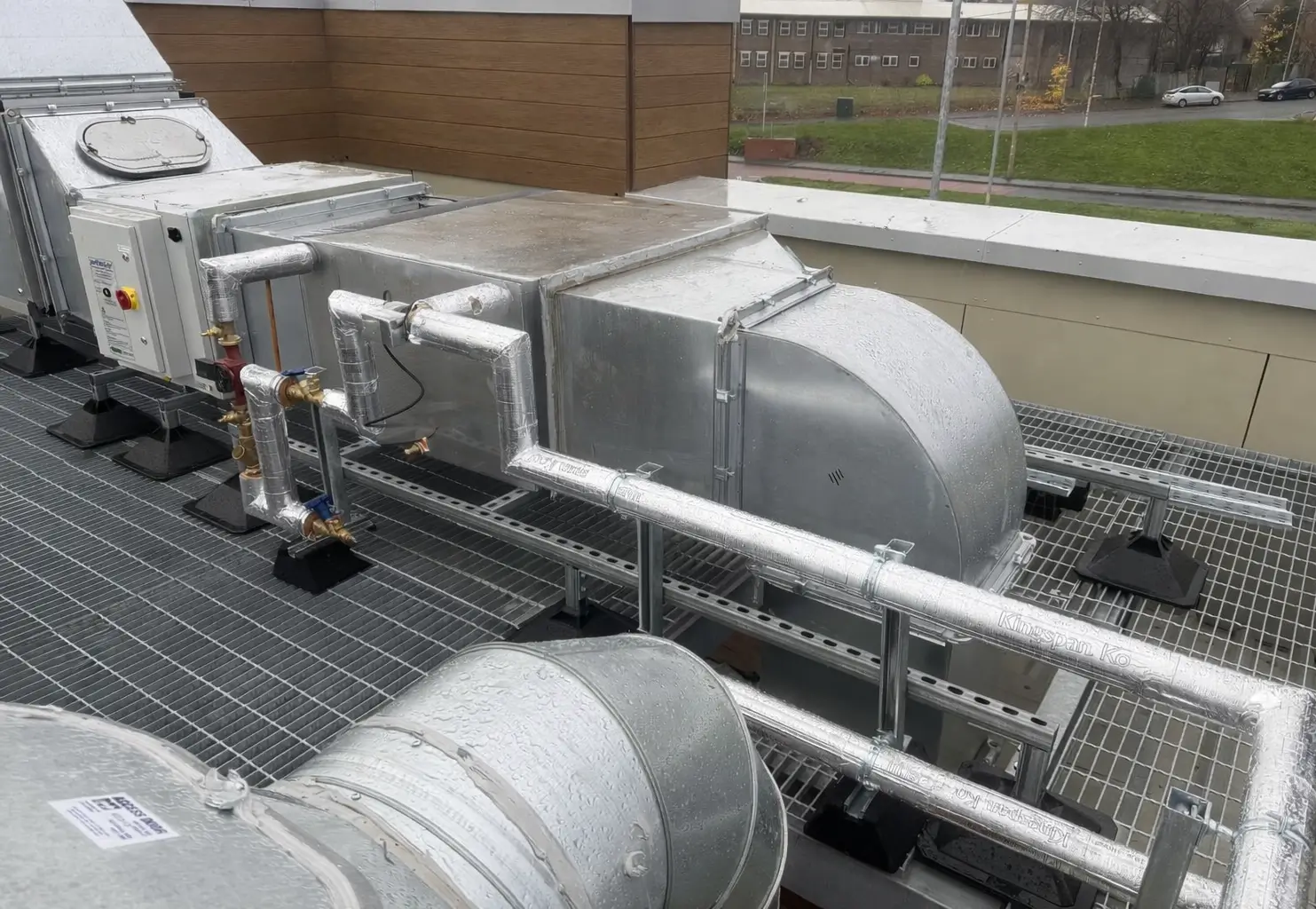
Recovery equipment for manufacturers may serve one line or connect several sources and loads. ThermStar evaluates the exhaust environment, the productive heat demand, plant requirements, and opportunities for repeat deployment. Results from one facility can help an organization prioritize additional sites, but each location requires its own technical review.
Industrial energy efficiency projects and decarbonization
Waste heat recovery can complement industrial decarbonization measures by reducing purchased fuel or power without requiring a useful thermal process to disappear. The emissions effect depends on the displaced energy source, actual recovered energy, and accepted accounting method. ThermStar Power Intelligence can help document operation and recovered energy.
Other and future applications
A facility does not need to fit an existing industry label. If it has a consistent heat source and a practical demand, ThermStar can screen the opportunity. Request an Assessment with a brief description of the exhaust, operating schedule, and potential use for recovered energy.
What makes an industry suitable for waste heat recovery
The strongest candidates have a consistent thermal source, a productive receiving load, useful temperature alignment, overlapping operating hours, workable integration, and enough displaced energy value to support the project. A high exhaust temperature by itself is not sufficient.
What can recovered heat be used for across industries
Possible uses include approved process air, makeup air, process water, domestic hot water, boiler feedwater, and other thermal demands. The selected use must be compatible with the available temperature, capacity, schedule, location, controls, and facility requirements.
Can several facilities be evaluated at the same time
Yes. An organization can begin with a portfolio screen using consistent information from multiple sites. ThermStar can help identify which locations deserve deeper review. Findings from one project may inform later work, but each facility still requires confirmation.
How are industrial energy savings confirmed
Savings are based on useful recovered energy and the energy it displaces. A project specific method may use temperature, fluid flow, operating time, equipment status, baseline efficiency, and approved conversion factors. Actual reporting depends on the installed monitoring and any utility or internal requirements.