
Thermal Energy Opportunity Screen and Assessment Process
ThermStar helps customers identify where thermal energy is leaving a facility, determine where that energy could be reused, and evaluate whether a project makes technical and economic sense.
Free thermal energy opportunity screen
The assessment process begins with a concise request. Provide your name, company, role, business contact information, facility location, industry, and a brief description of the exhaust source or energy opportunity.
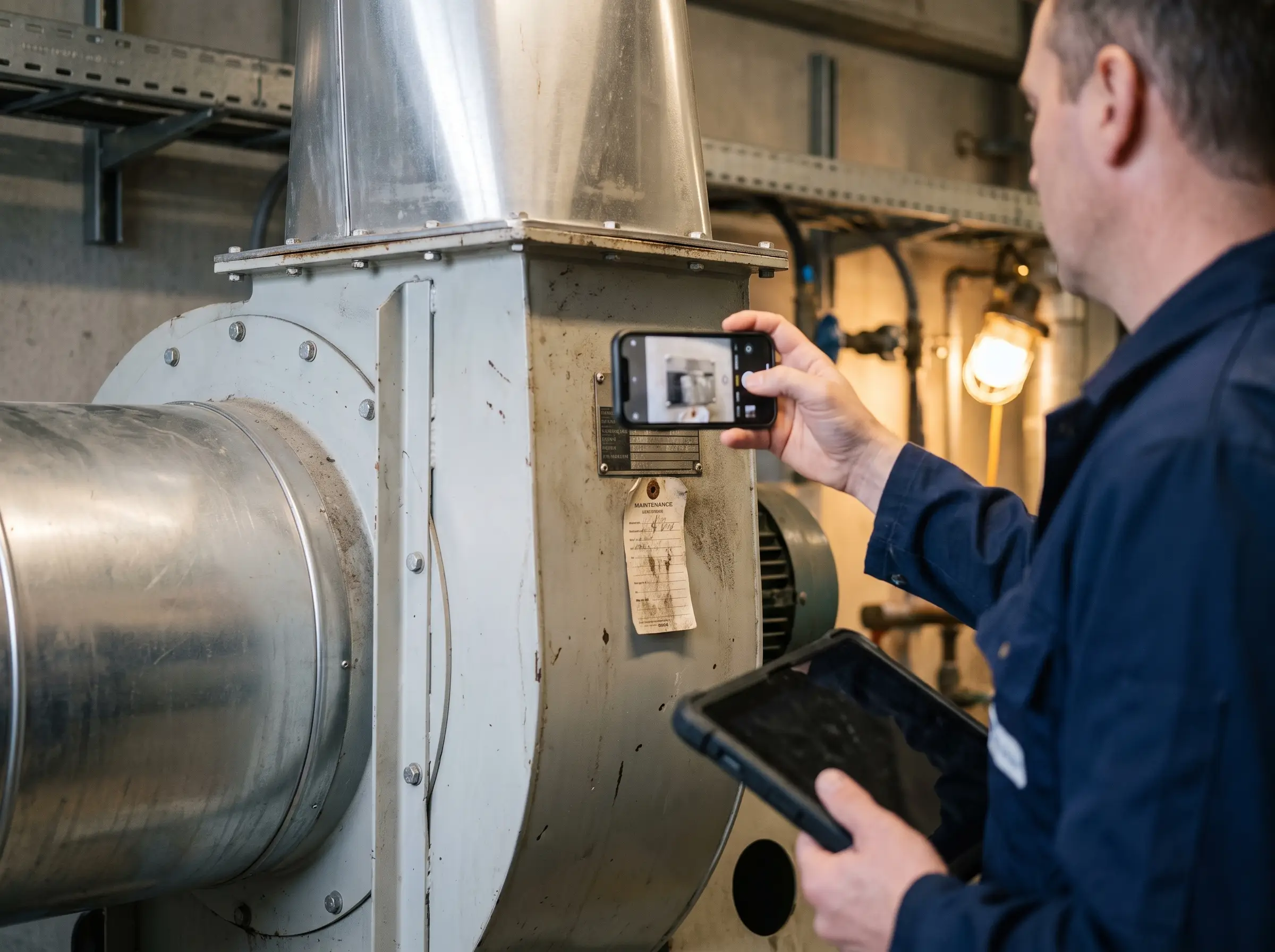
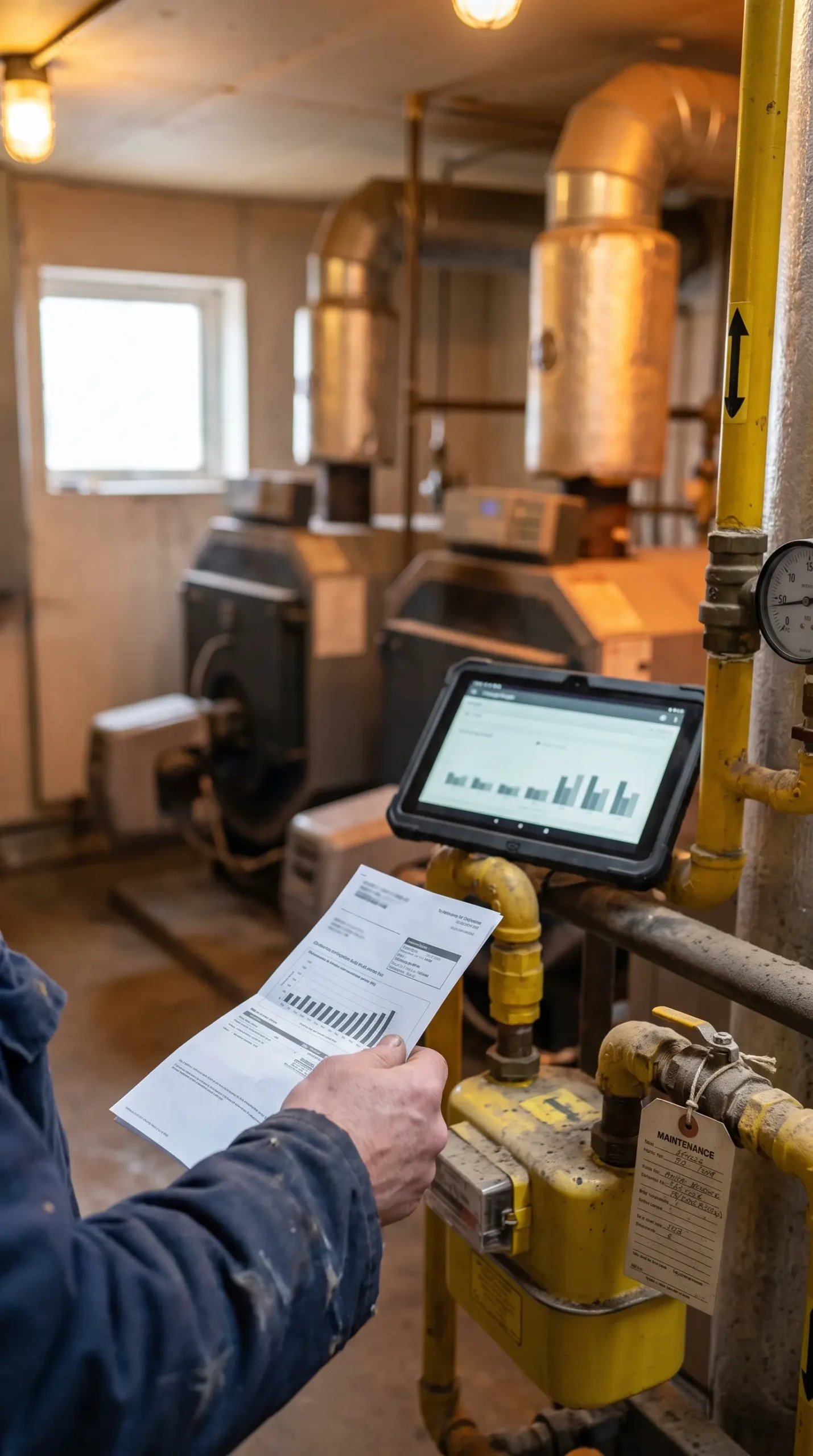
You may also upload a photo, document, utility bill, or equipment record if it is readily available. Detailed airflow, temperature, schedule, and energy data are not required to start.
Identify the waste heat recovery opportunity
During the Thermal Energy Opportunity Screen, ThermStar discusses where heat is being exhausted and where recovered energy could serve a useful load. The conversation may consider production schedules, seasonal demand, existing heating equipment, planned upgrades, and the facility goals behind the inquiry.
The purpose is to decide whether enough alignment exists to justify a technical review.
Evaluate the available information
If the screen is promising, ThermStar requests the information that matters for that application. Typical inputs may include exhaust temperature and airflow, hours of operation, contaminant characteristics, available space, equipment details, energy rates, and the temperature requirements of the receiving process.
The exact request depends on the facility and remains proportionate to the decision being made.
Quantify a preliminary case
ThermStar uses the available data to estimate recoverable thermal energy, identify possible uses, and outline a preliminary configuration. The assessment may consider expected operating conditions, utility displacement, integration needs, maintenance factors, and possible incentives. Any estimate depends on the accuracy and completeness of the supplied data and is refined as the project advances.
Move forward with clear next steps
A suitable opportunity can progress to technical configuration and proposal, followed by implementation coordination, commissioning, and measurement. If the fit is not strong, the screening process helps avoid spending time on a project that does not have a practical source, demand, schedule, or economic case. The goal is an informed decision at every stage.
Request an Assessment
Complete the short form or contact solutions@thermstar.com at 833 667 7359 x2. ThermStar serves commercial and industrial customers throughout North America.
Business hours are Monday through Friday from 8 a.m. to 6 p.m. Eastern Time.
What information is needed for a thermal energy opportunity screen
Basic company, facility, industry, contact, and application information is enough for the first conversation. Photos, utility bills, equipment records, and specifications are helpful when available, but they are optional at the screening stage. ThermStar identifies the detailed operating data needed only after the opportunity appears worth evaluating.
How long does an opportunity screen take
Timing depends on the complexity of the source, the availability of facility data, and the number of project participants. A simple screen can move quickly. A technical assessment takes longer when operating conditions, equipment interfaces, or receiving loads require confirmation. ThermStar defines the next information request at each stage.
Is the opportunity screen free and non committal
Yes. The Thermal Energy Opportunity Screen is complimentary and does not commit a facility to a project. It uses the information you already have to decide whether a technical review is justified, and you decide whether to go further after seeing the findings.
Who completes engineering and installation after the screen
ThermStar supplies approved components, system technology, and the related support stated in its proposal. Qualified engineers, specifiers, contractors, manufacturers, and other project professionals remain responsible for their assigned scopes, approvals, permits, code compliance, and field work.