
Manufacturing

Manufacturing energy efficiency through waste heat recovery

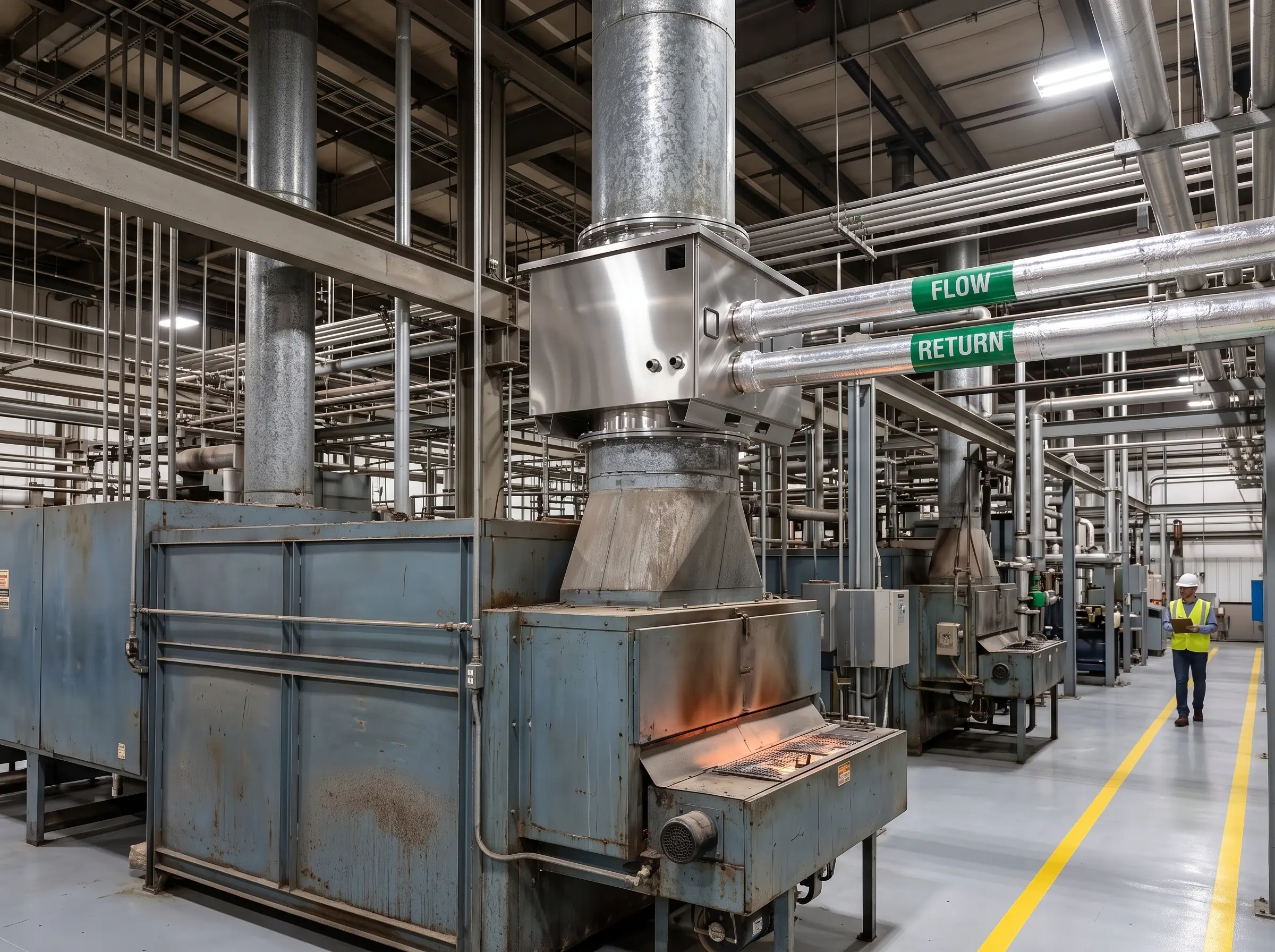
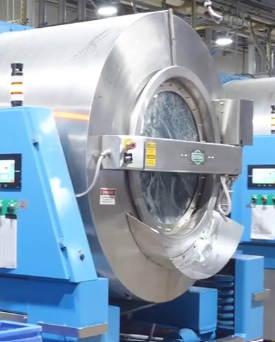
Manufacturing energy efficiency begins with understanding how the plant uses and loses energy. Heated exhaust from ovens, dryers, boilers, furnaces, process ventilation, and production equipment may offer recoverable thermal energy. 

DATA BEFORE DESIGN

Build a project around actual conditions

ThermStar screens sources against useful heating demands so teams can focus on opportunities with practical operating value.

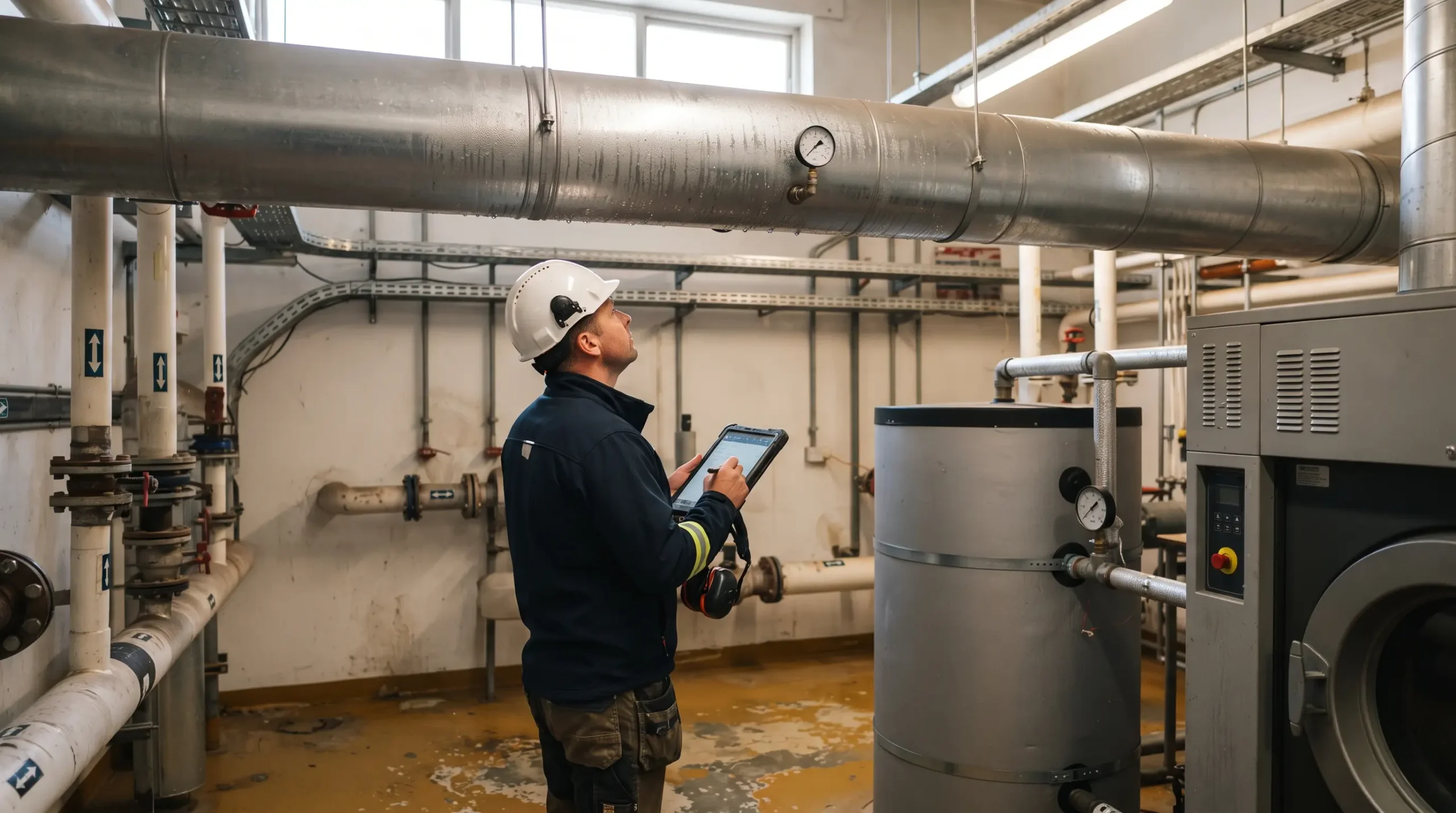
Industrial energy efficiency projects require reliable source data, demand data, schedules, facility constraints, and utility costs. ThermStar reviews these factors before developing a preliminary configuration. The analysis can cover one source or compare several opportunities within a plant.

Engineer checking gauges in an industrial plant
WHERE FINNED COILS GIVE UP

Recover energy from challenging exhaust

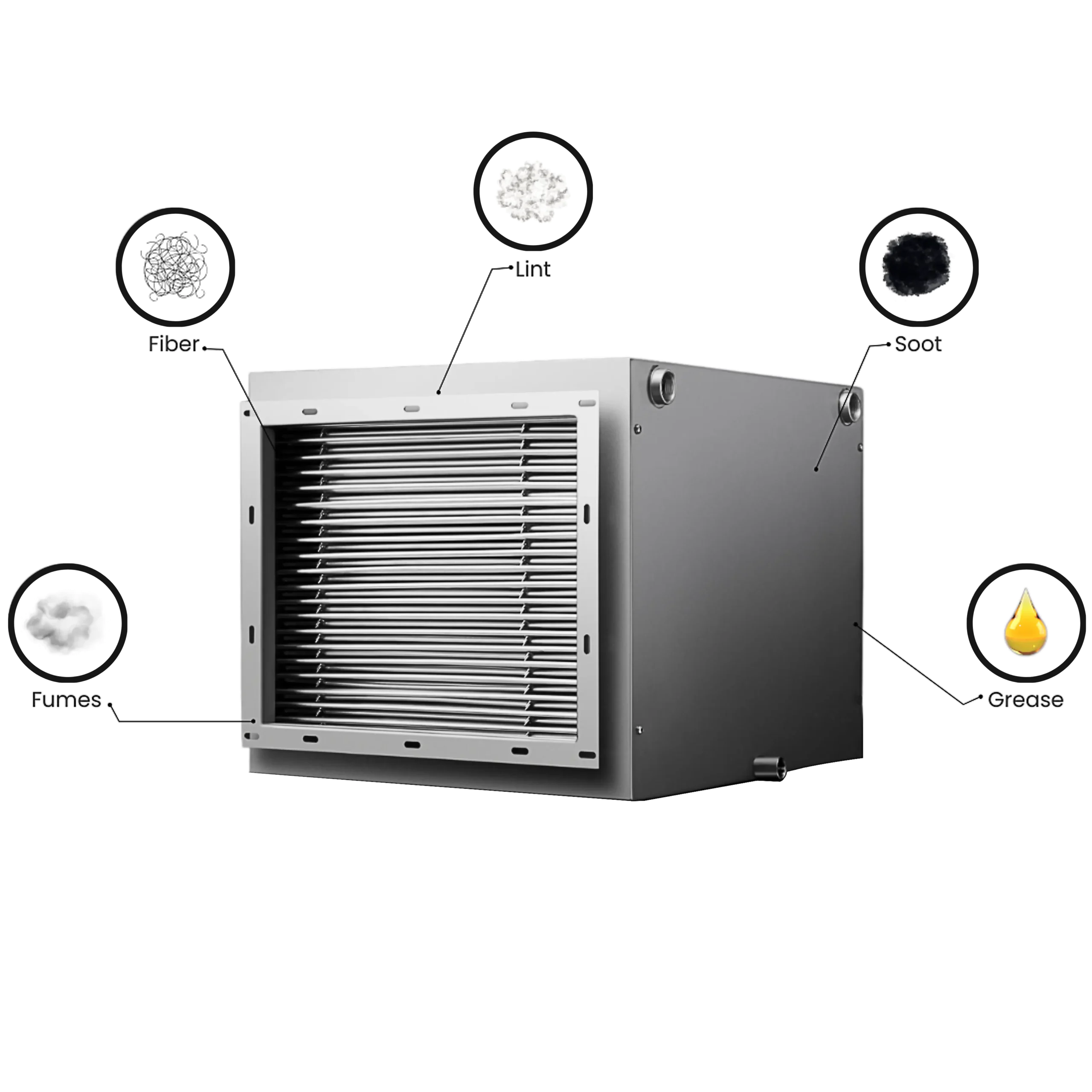
Manufacturing heat recovery systems may face dust, lint, humidity, oils, or other contaminants. Lepido® source technology is designed for conditions where dense finned or plate equipment can become difficult to maintain.

Application approval depends on the specific exhaust and current technical information.

Lepido tubes with particles passing between them, labelled
GOALS YOU CAN MEASURE

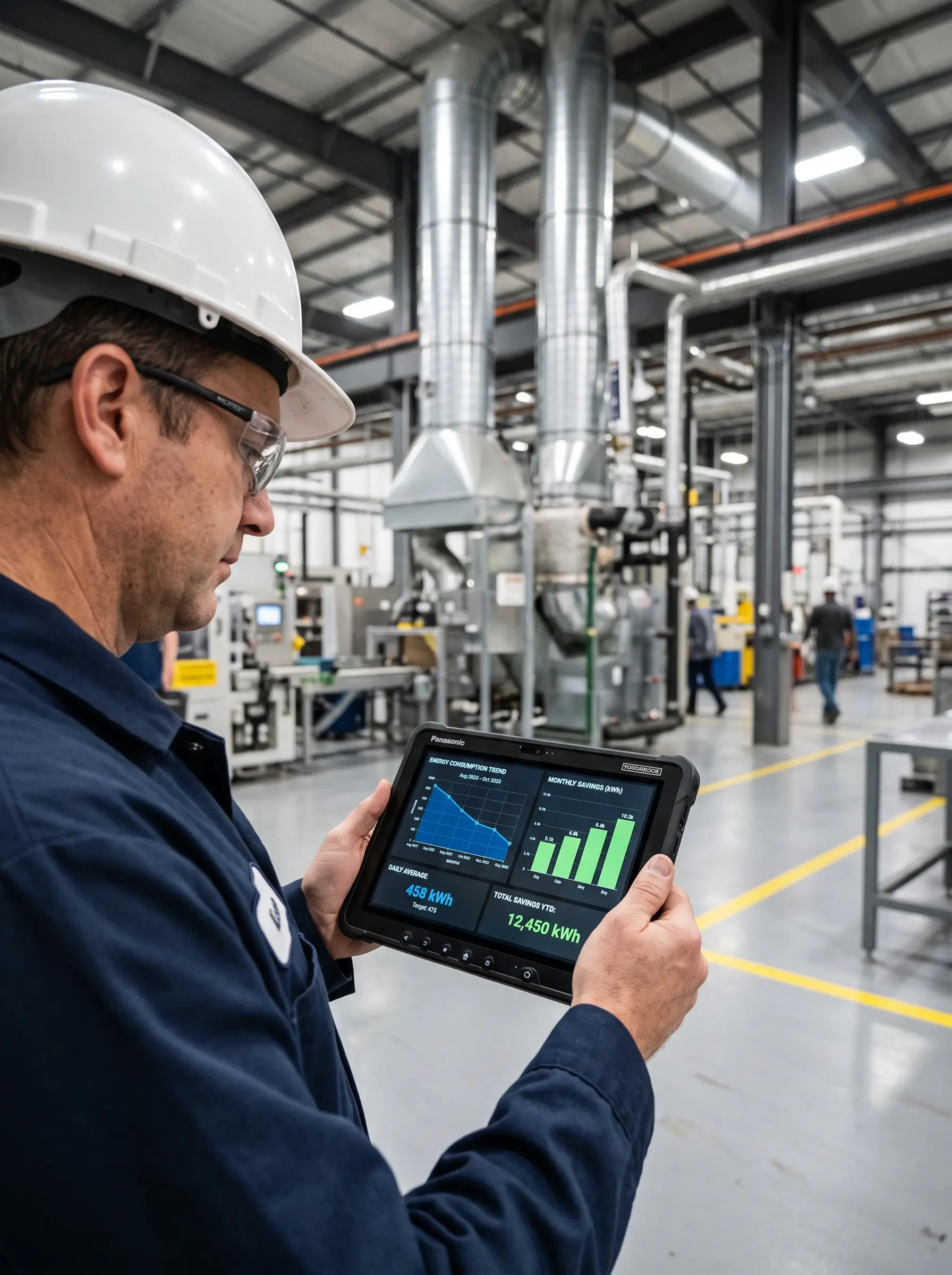
Industrial energy efficiency projects and sustainability goals

Sustainability solutions for manufacturers should connect environmental goals to measurable operating results. Recovering useful heat can reduce purchased energy and associated emissions when actual operation supports the calculation. ThermStar Power Intelligence can provide data for performance review and approved reporting.

START WITH ONE, THEN SCALE

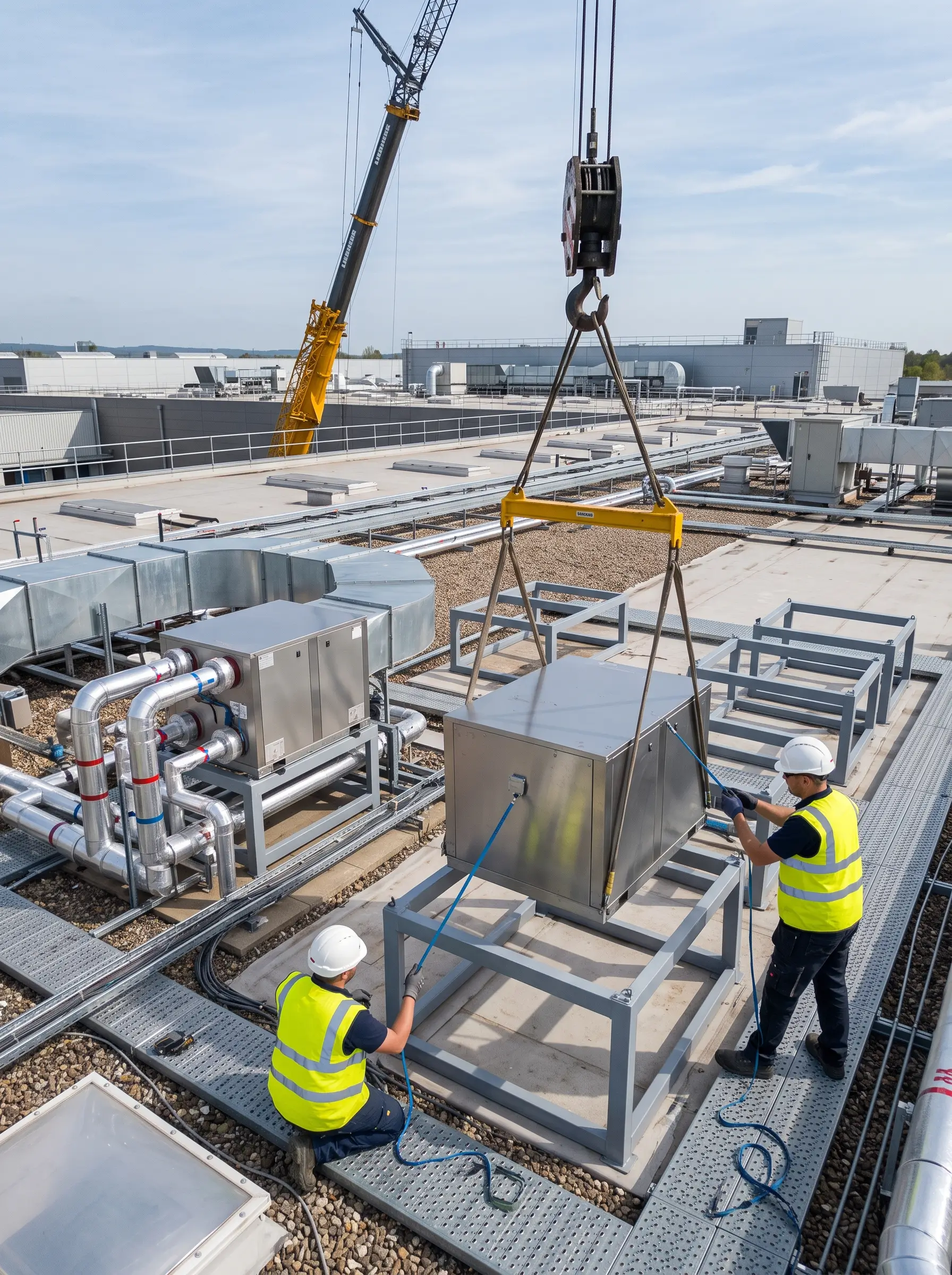
A scalable platform

Sustainable industrial energy solutions can begin with one qualified project and expand as results and site conditions support further deployment. ThermStar can work with customers, utilities, original equipment manufacturers, distributors, engineering firms, and installation contractors while respecting each partner's scope and end customer relationship.
Industrial energy efficiency projects and sustainability goals
A scalable platform
NO NEW PROCESS REQUIRED

A practical decarbonization measure

Industrial decarbonization solutions do not always require replacing the underlying process. Heat recovery can improve how efficiently existing thermal energy is used. Request an Assessment to identify sources, loads, and the information needed to evaluate a first project or a facility network.

Heat recovery module in a manufacturing plant
START SMALL

What happens next

A first conversation helps ThermStar understand the operating goal, the facility context, and the people involved in the decision. 

From there, the team can identify the smallest useful information request and determine whether a screen, technical review, partner discussion, or document request is appropriate.

This approach keeps the process proportionate to the opportunity while giving operations, finance, engineering, health and safety, and sustainability stakeholders clear information for the next decision.

Hand pointing at an engineering report
COMMON QUESTIONS

What to know before you start

What makes a manufacturing heat recovery project viable

The strongest candidates have a consistent thermal source, a productive receiving load, useful temperature alignment, overlapping operating hours, workable integration, and enough displaced energy value to support the project. A high exhaust temperature by itself is not sufficient.

Possible uses include approved process air, makeup air, process water, domestic hot water, boiler feedwater, and other thermal demands. The selected use must be compatible with the available temperature, capacity, schedule, location, controls, and facility requirements.

Yes. An organization can begin with a portfolio screen using consistent information from multiple sites. ThermStar can help identify which locations deserve deeper review. Findings from one project may inform later work, but each facility still requires confirmation.

Savings are based on useful recovered energy and the energy it displaces. A project specific method may use temperature, fluid flow, operating time, equipment status, baseline efficiency, and approved conversion factors. Actual reporting depends on the installed monitoring and any utility or internal requirements.