
Foundries

Foundry heat recovery systems

Foundry heat recovery can capture energy that leaves melting, holding, heat treatment, and related processes. 

UNDERSTOOD BEFORE DESIGNED

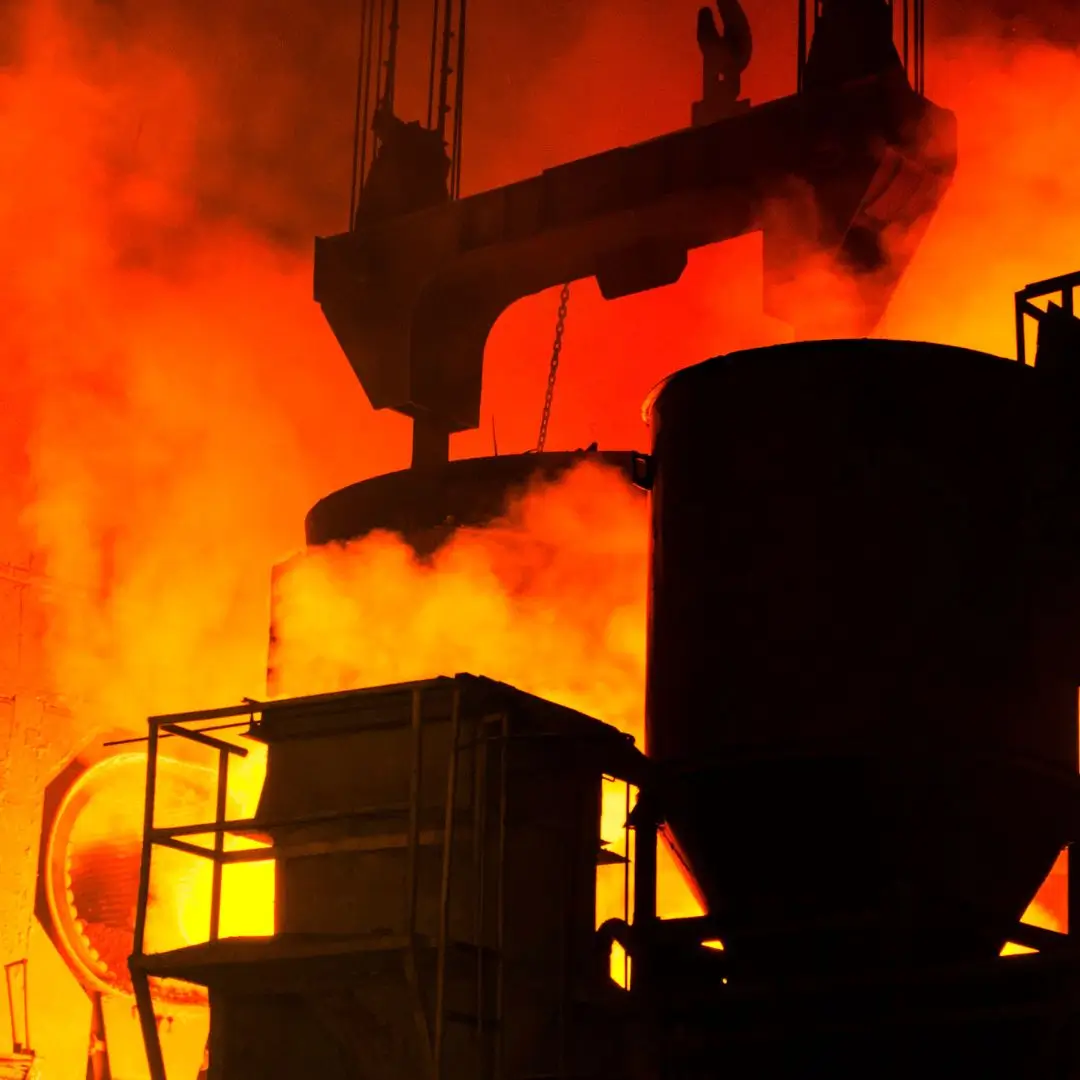
Furnace exhaust heat recovery applications

High source temperature can create a meaningful opportunity, but temperature alone does not establish value. The project also needs a compatible demand, operating overlap, safe integration, and an economic case.

Furnace exhaust heat recovery may support combustion air, makeup air, water, boiler feedwater, or another approved process requirement. Source composition, temperature range, dust loading, pressure constraints, production cycles, and existing pollution control equipment must be understood before a configuration is developed.

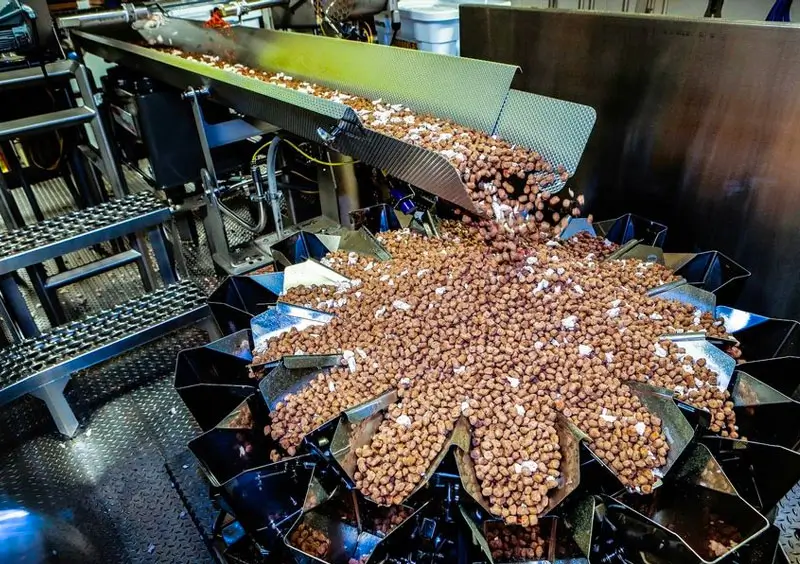
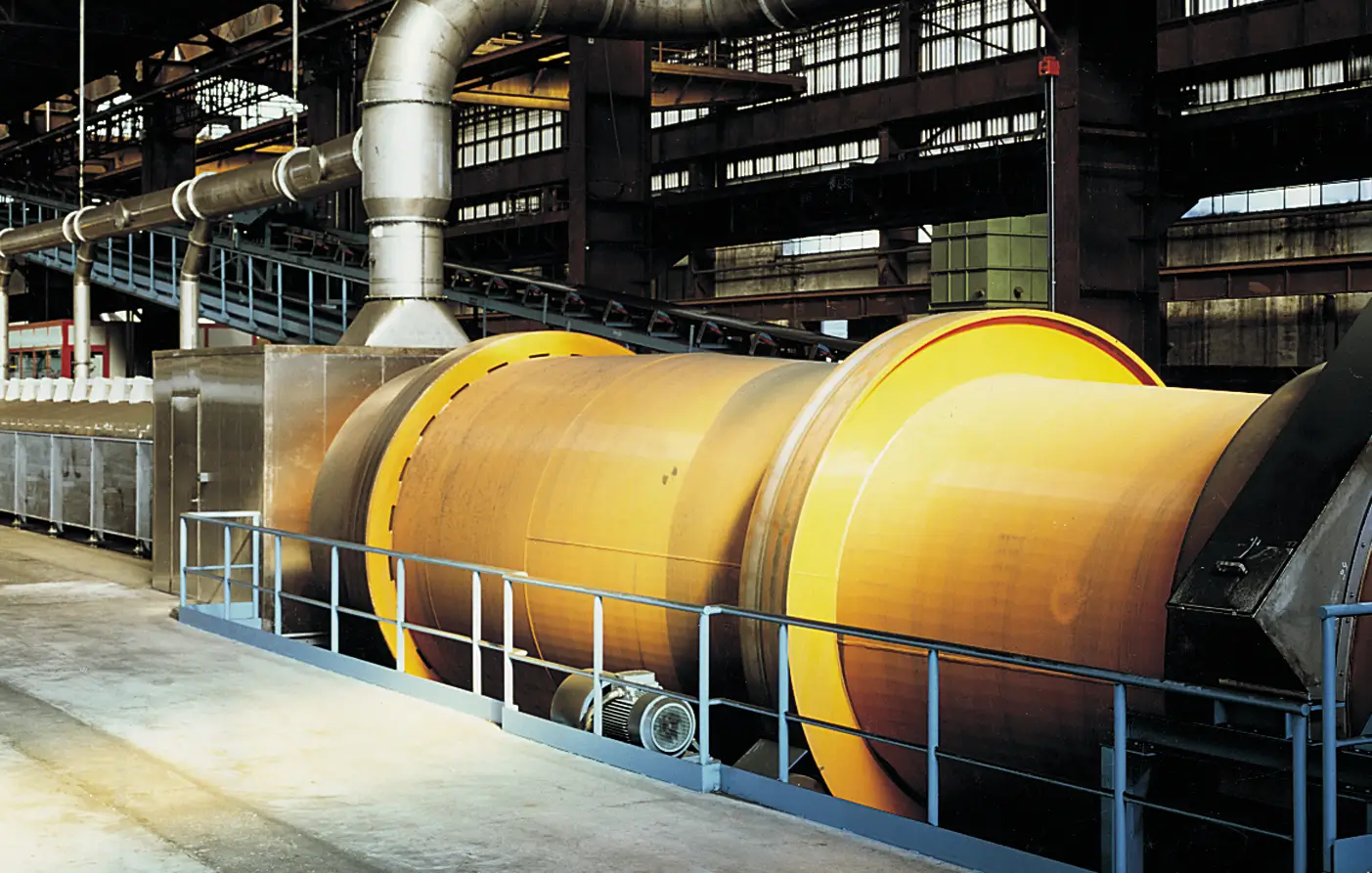
Foundry sand cooler
WHY FOUNDRIES ARE HARD

Demanding exhaust conditions

Foundry waste heat recovery often involves particles and harsh operating conditions. ThermStar evaluates whether Lepido® source technology and its open geometry fit the application.

Materials, access, controls, protection, and maintenance requirements must follow current approved technical information.

Foundry sand cooler with exhaust ducting
DISPLACED, NOT JUST RECOVERED

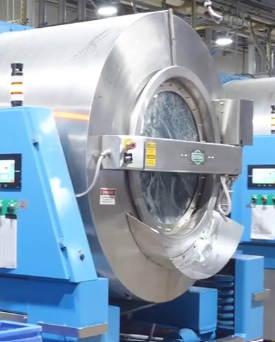
Plant efficiency

Foundry energy efficiency improves when recovered energy displaces energy the operation would otherwise purchase. ThermStar compares available source heat with the practical load and models the expected overlap. Installed cost, energy value, operating effect, maintenance, and available incentives shape the decision.

KEEP THE FURNACE, CUT THE FUEL

Support broader manufacturing goals

Metal casting energy efficiency can contribute to cost reduction and emissions goals while retaining the thermal processes required for production. Any emissions claim depends on actual measured energy displacement and an accepted calculation method. Monitoring can provide the operating evidence needed for internal reporting or eligible programs.
Plant efficiency
Support broader manufacturing goals
SAFETY STAYS WITH YOUR TEAM

Evaluate the opportunity safely

ThermStar works with the customer and qualified project professionals. ThermStar does not replace engineering, installation, safety, environmental, or permitting responsibilities. Request an Assessment to identify the data needed for a preliminary review.

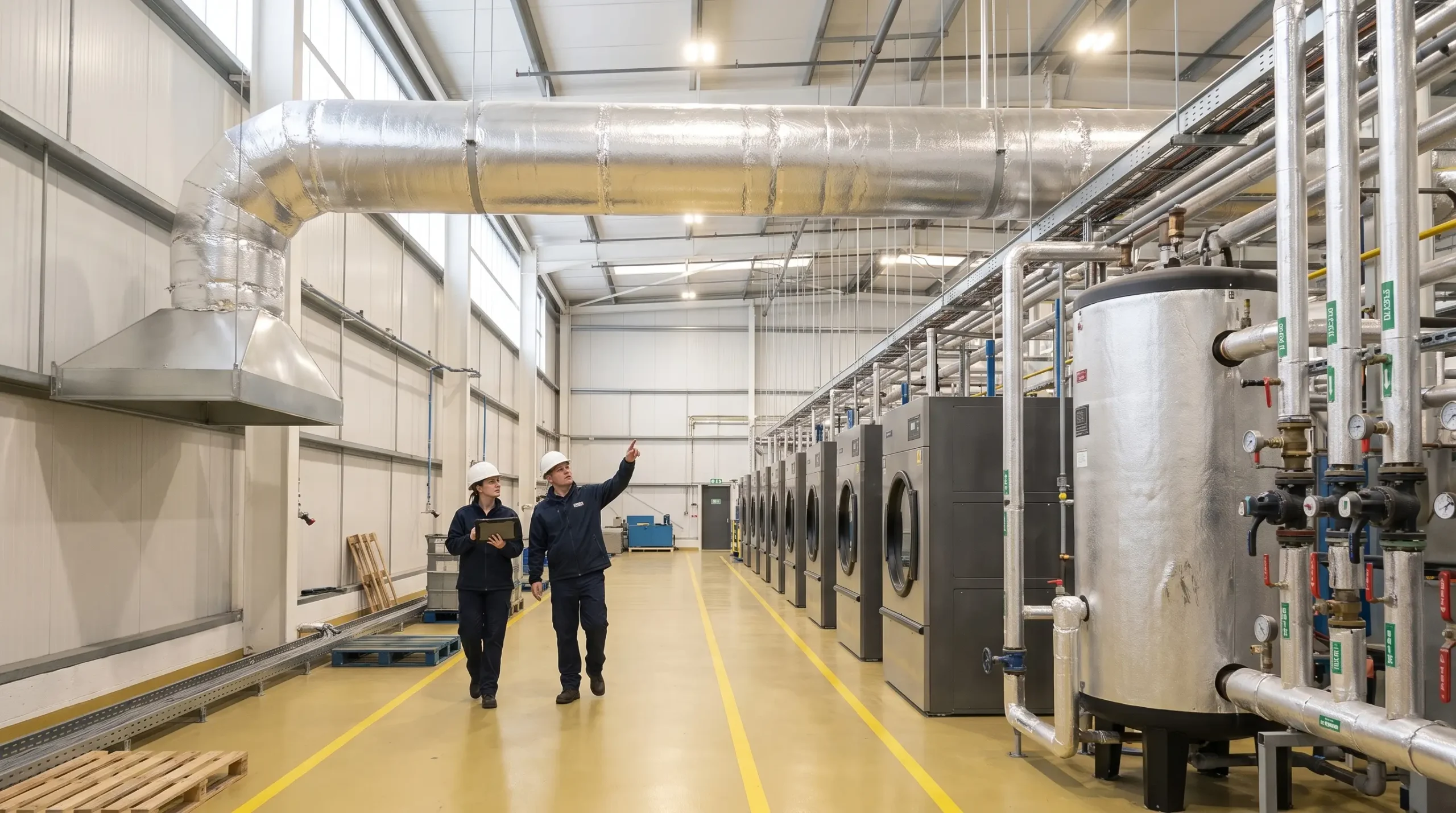
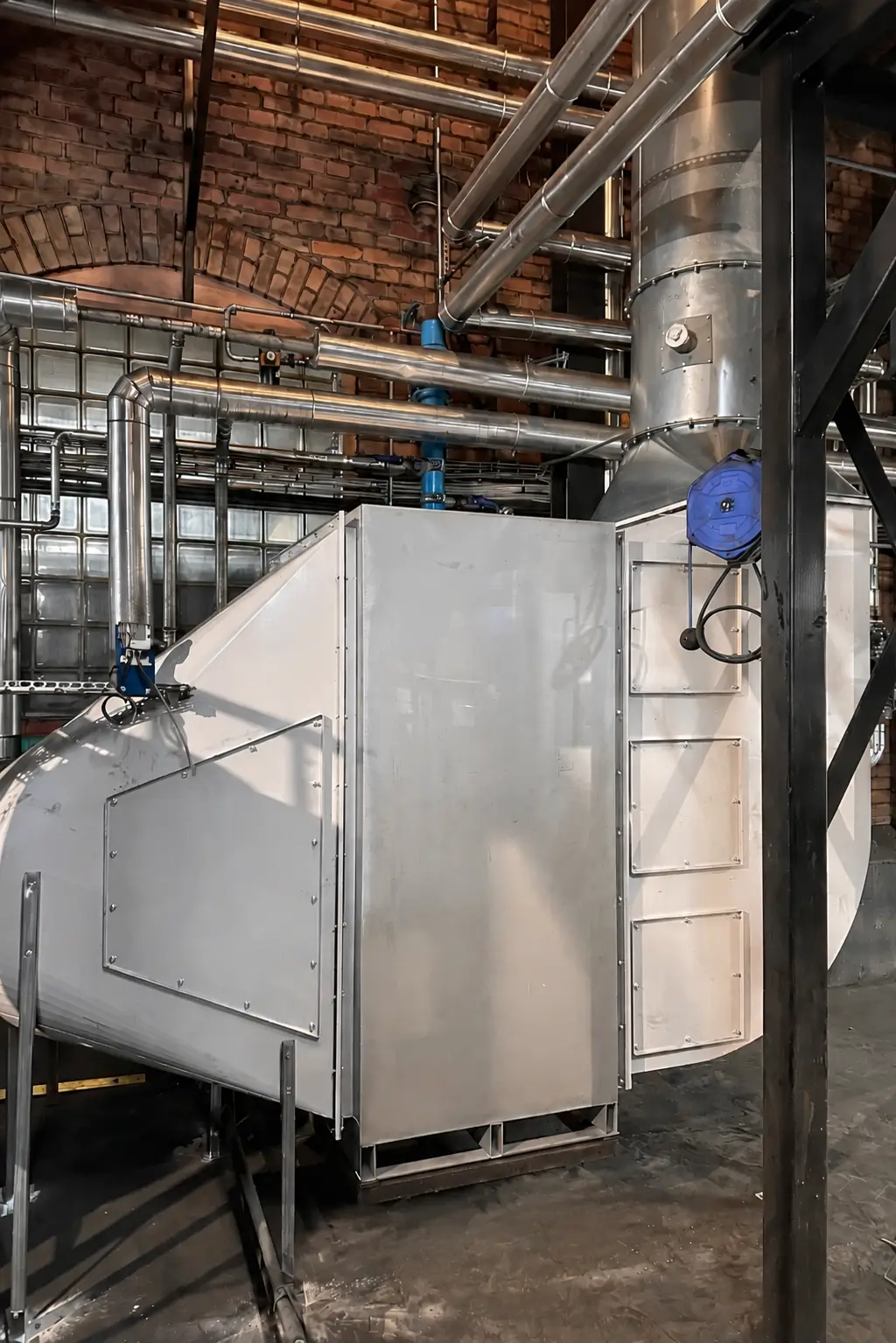
Engineer inspecting industrial exhaust equipment
get started

What happens next

A first conversation helps ThermStar understand the operating goal, the facility context, and the people involved in the decision.

From there, the team can identify the smallest useful information request and determine whether a screen, technical review, partner discussion, or document request is appropriate.

This approach keeps the process proportionate to the opportunity while giving operations, finance, engineering, health and safety, and sustainability stakeholders clear information for the next decision.

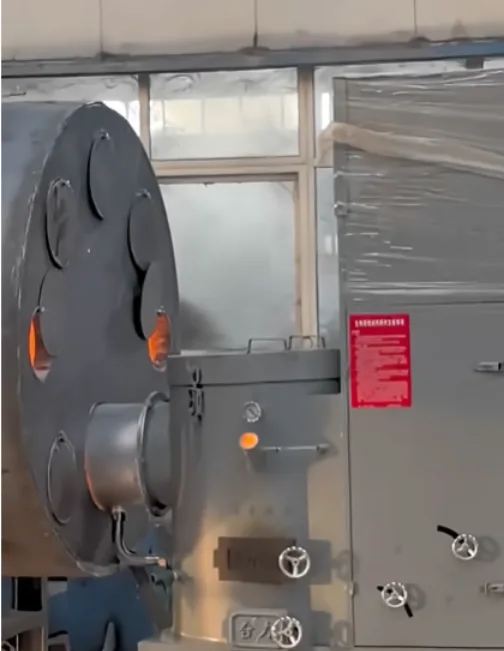
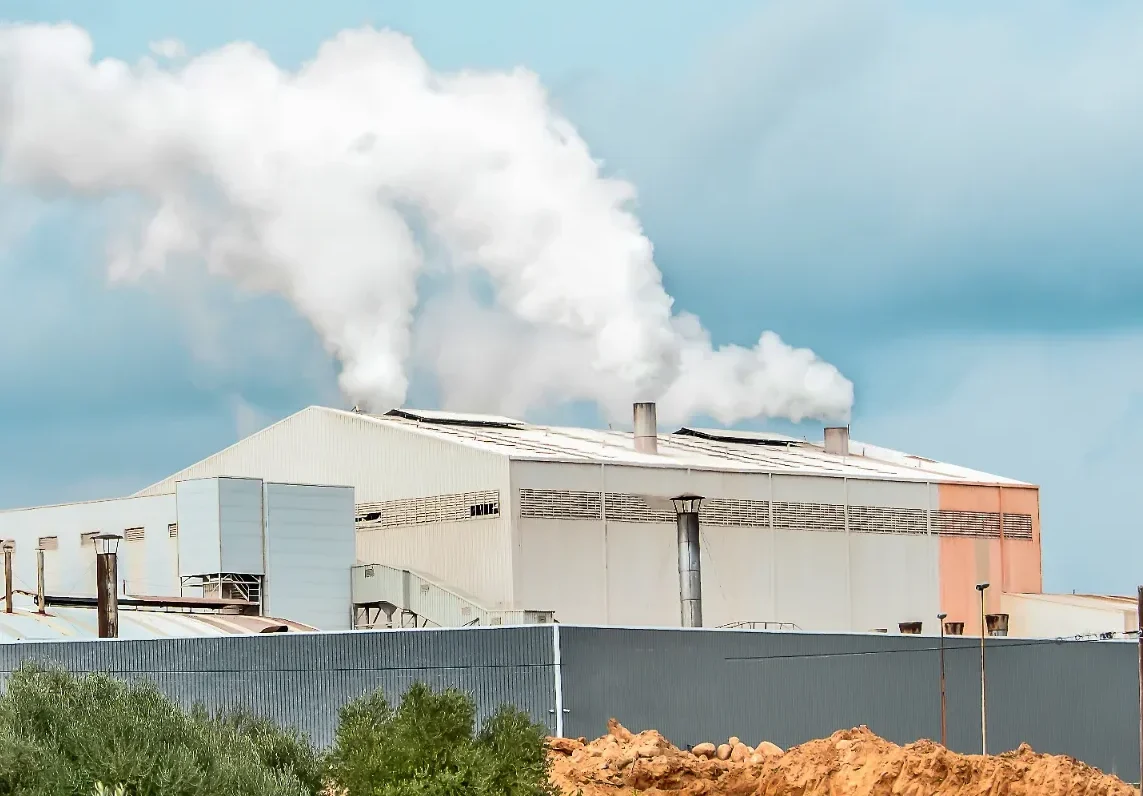
Foundry furnace exhaust application
COMMON QUESTIONS

What to know before you start

What makes a foundry heat recovery project viable

The strongest candidates have a consistent thermal source, a productive receiving load, useful temperature alignment, overlapping operating hours, workable integration, and enough displaced energy value to support the project. A high exhaust temperature by itself is not sufficient.

Possible uses include approved process air, makeup air, process water, domestic hot water, boiler feedwater, and other thermal demands. The selected use must be compatible with the available temperature, capacity, schedule, location, controls, and facility requirements.

Yes. An organization can begin with a portfolio screen using consistent information from multiple sites. ThermStar can help identify which locations deserve deeper review. Findings from one project may inform later work, but each facility still requires confirmation.

Savings are based on useful recovered energy and the energy it displaces. A project specific method may use temperature, fluid flow, operating time, equipment status, baseline efficiency, and approved conversion factors. Actual reporting depends on the installed monitoring and any utility or internal requirements.