

Waste heat recovery system integration and applications
Waste heat recovery system integration connects four practical elements, the exhaust source, the recovery equipment, the transfer loop, and the receiving demand. A successful design accounts for how each element operates and how it affects the facility. ThermStar develops its component and system scope with the customer and the project professionals responsible for the broader installation. The equipment behind each element is covered in the overview of industrial heat recovery systems.
Source conditions
The technical review considers nine things about the airstream and the duct it arrives in. The source has to stay compatible with facility operations as well as with the equipment range.
What it carries, and how much
Contaminant type and concentration, humidity, and whether either changes with production. Composition decides suitability; concentration decides the maintenance interval.
How hot, and how fast
Temperature and airflow set what is available. Both are measured or confirmed rather than assumed from equipment ratings.
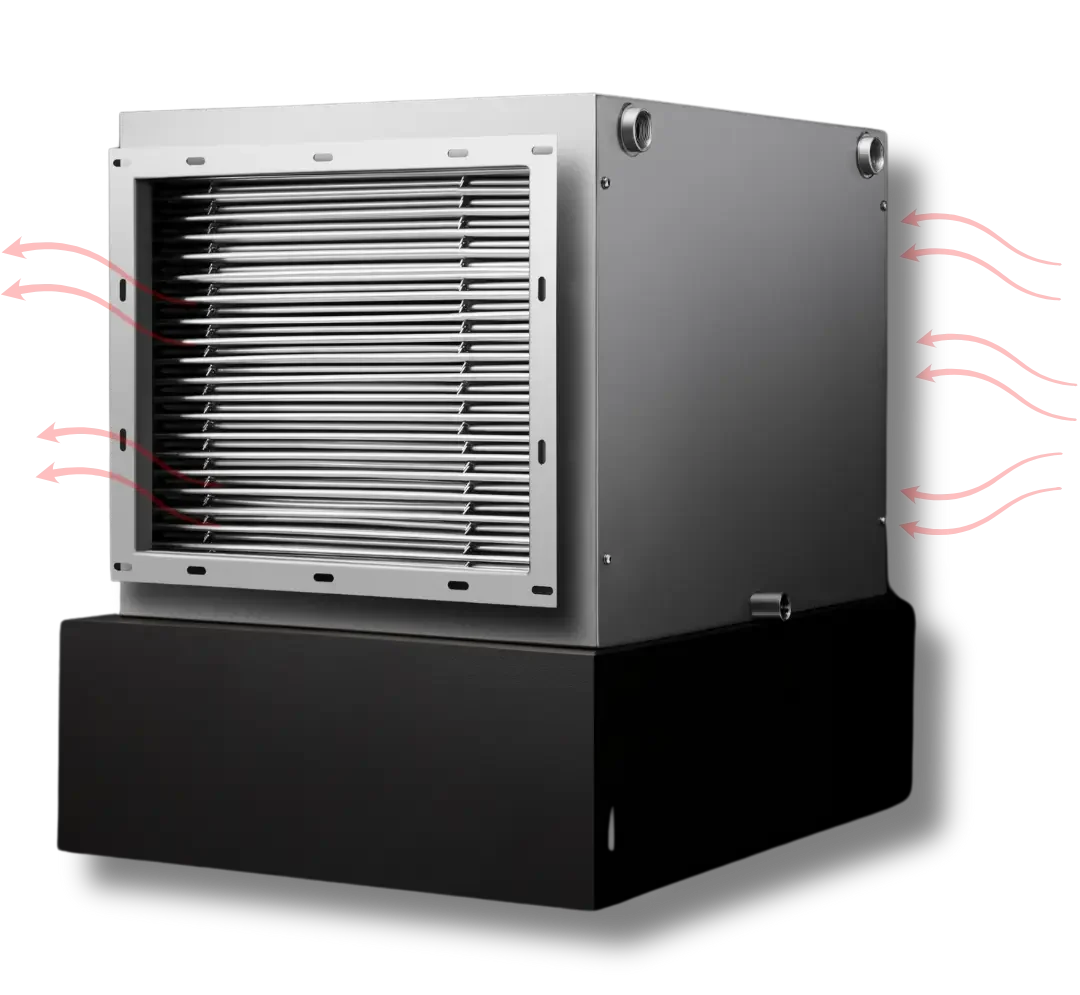
Pressure and access
What the existing fan can give up, where a unit can physically go, and how it will be reached for service once production is running again.
When it runs
Operating hours and production variation. Energy available at three in the morning is only worth something if a demand is awake to take it.
Waste heat recovery applications for recovered energy
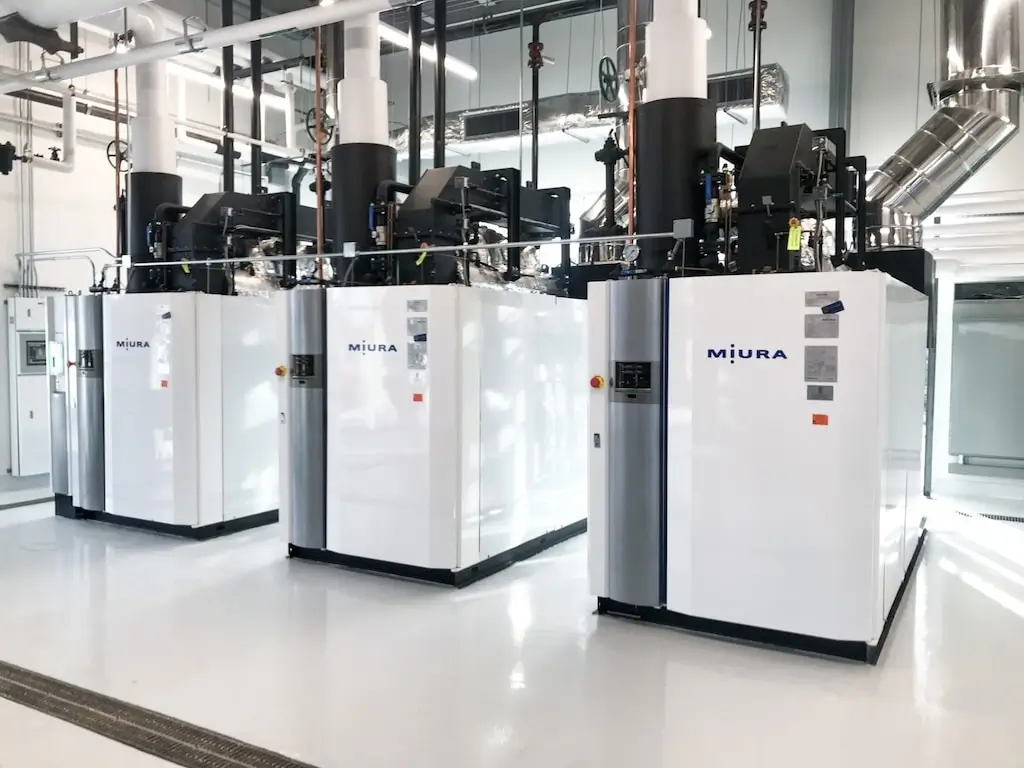
Common waste heat recovery applications include preheating process air, makeup air, process water, domestic hot water, or boiler feedwater.
The receiving load must have suitable temperature requirements, capacity, and timing. ThermStar compares source and demand profiles before recommending a configuration.
Commercial and industrial use
The assessment is the same either way, identify available heat, find a productive demand, confirm integration, evaluate economics. What changes is the scale.
Repeated thermal loads
Restaurants, kitchens, laundries and other facilities running the same cycle every day. Smaller capacities, highly predictable hours.
Larger, and often several
Bigger capacities, multiple sources, process constraints, or a programme deployed across several locations rather than one plant.
Retrofit and new equipment projects
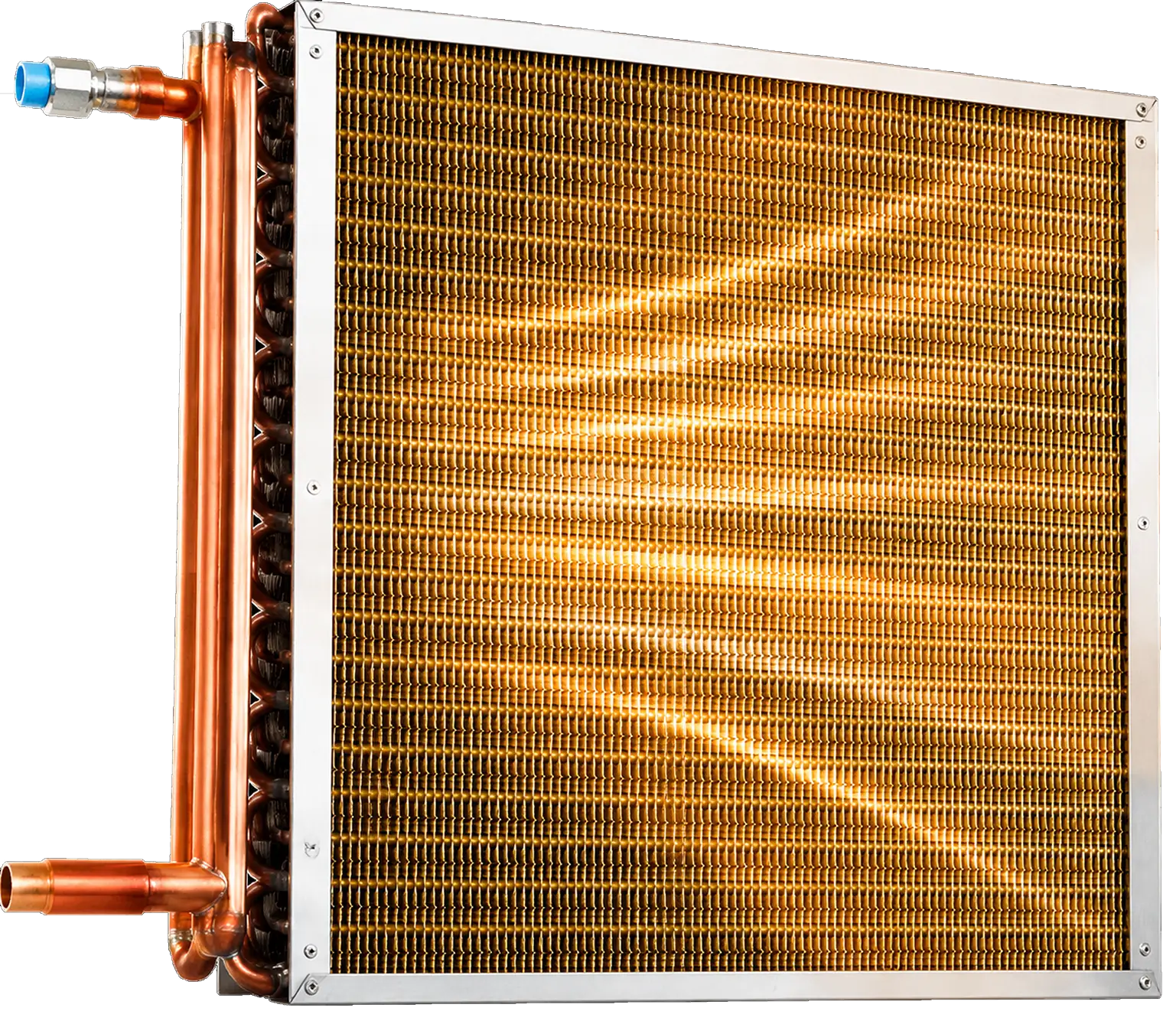
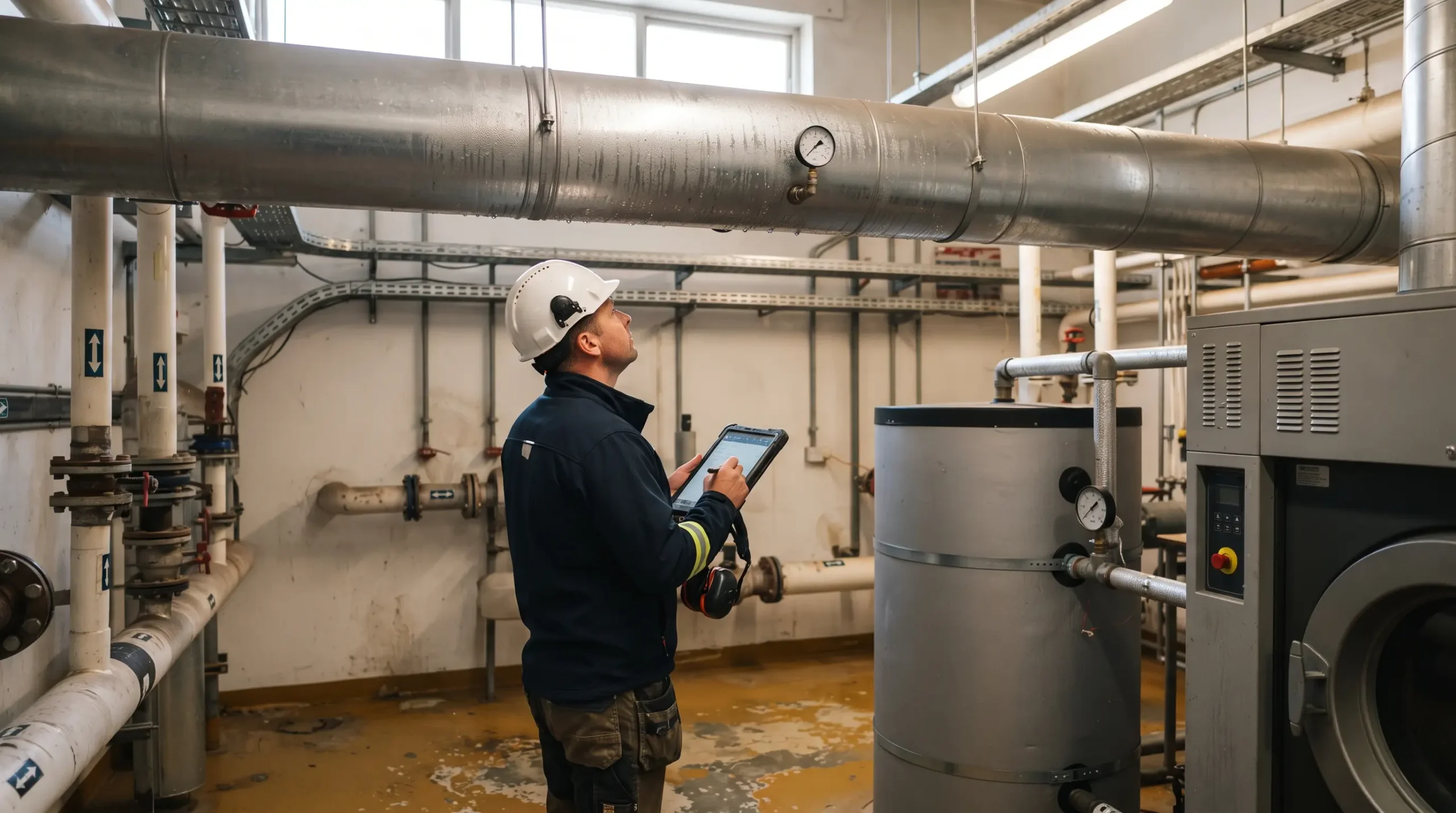
A heat recovery retrofit may require routing through an operating facility, coordination with existing controls, planned shutdowns, and careful definition of tie in points.
Designed in from the start
A new build or equipment package can incorporate recovery earlier in design. ThermStar supports both paths while engineering, specifying, equipment, and installation partners retain responsibility for their respective scopes.
Technical coordination
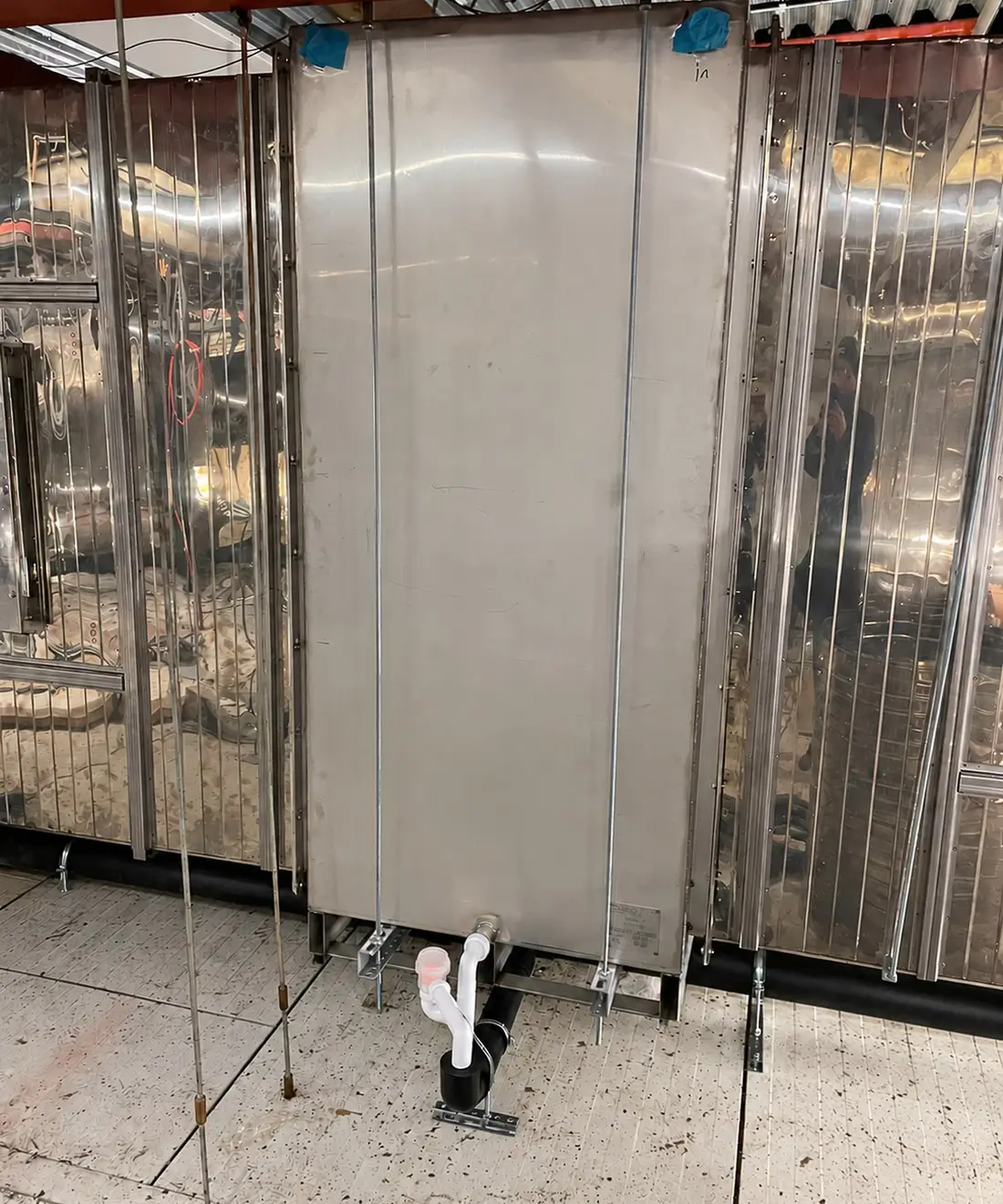
Final equipment selection, materials, controls, safety requirements, permits, codes, clearances, structural support, electrical work, piping, and commissioning procedures must reflect current approved project information. Request an Assessment to identify the right technical questions for your application.
Can heat recovery be integrated into an existing process line
Yes, an existing facility can be evaluated when access, routing, controls, operating schedules, and tie in requirements are practical. The customer and its qualified project team determine the complete retrofit scope. ThermStar supports the approved recovery equipment and system interfaces defined for the project.
Can recovered energy be routed to several delivery applications
Potentially. A configuration may consider one or more receiving loads when their temperatures, capacities, schedules, locations, and control needs align with the available source. ThermStar evaluates the combined operating case before recommending an arrangement.
How are integration requirements determined for a project
ThermStar reviews the source conditions, the receiving demand, whether the project is a retrofit or a new build, and the tie-in points, then develops its component and system scope with the customer and the project professionals responsible for the wider installation. Final equipment, materials, controls, permits, codes, and commissioning procedures follow current approved project information.
Which exhaust sources are suitable for heat recovery integration
Applications may include process, dryer, oven, kitchen, furnace, or boiler exhaust. Each source is reviewed for temperature, airflow, contaminants, humidity, pressure limits, production variation, operating hours, duct access, and maintenance needs, and it must remain compatible with facility operations and the approved equipment range.