
Industrial heat recovery systems
A heat recovery system captures thermal energy from an exhaust stream or process and transfers it to a useful demand. The recovered energy can reduce the fuel or electricity otherwise required to heat air, water, boiler feedwater, or another process.
The value depends on source temperature, airflow, operating time, available demand, system efficiency, integration, and energy cost.
Why source conditions matter
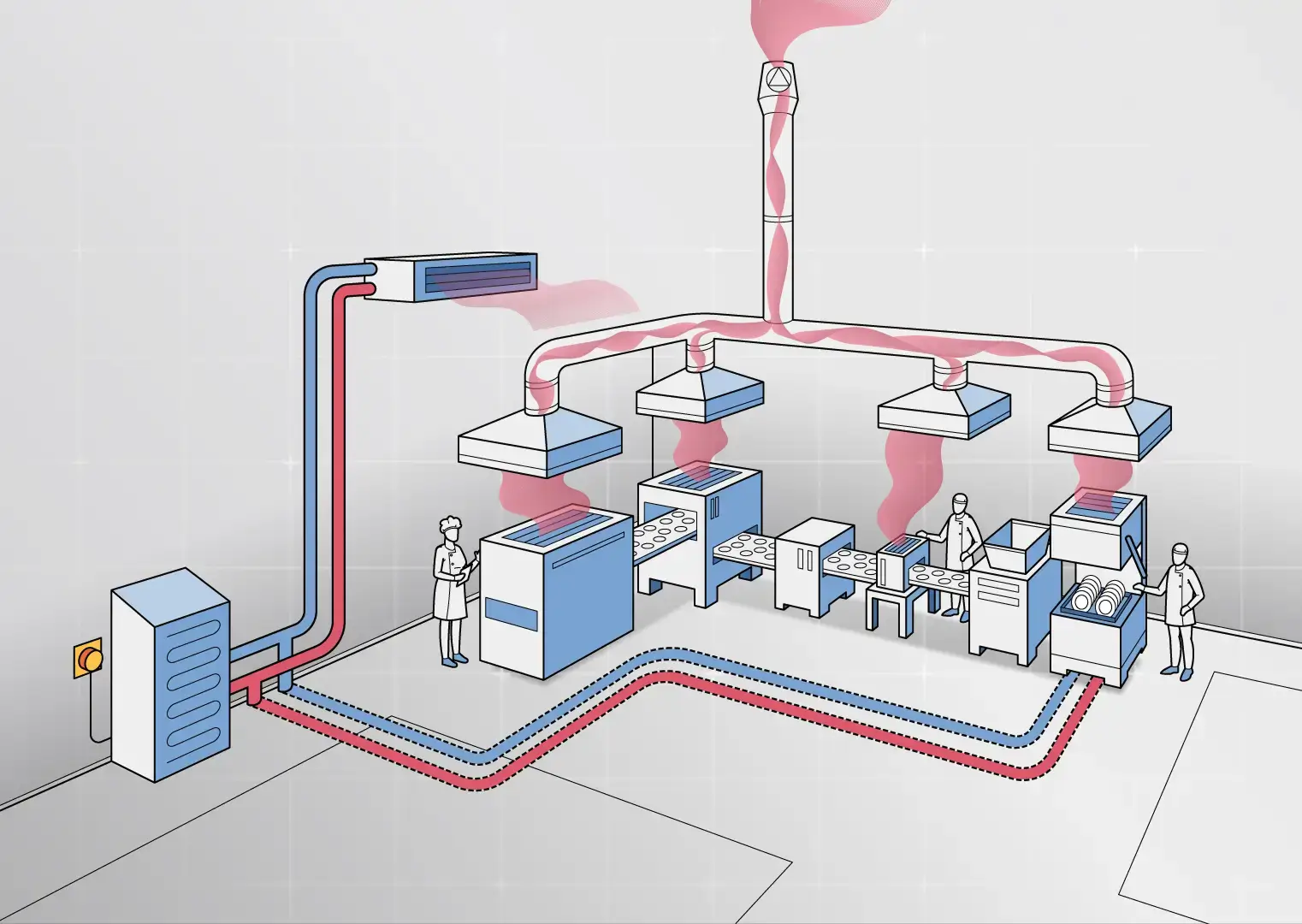
A conventional waste heat recovery heat exchanger may work effectively in clean service yet lose performance when particles, moisture, lint, or grease collect on dense surfaces. Increasing restriction can affect pressure drop, airflow, fan energy, cleaning frequency, and recovered energy.
ThermStar evaluates the exhaust environment because sustained operation matters as much as initial heat transfer.
The ThermStar platform
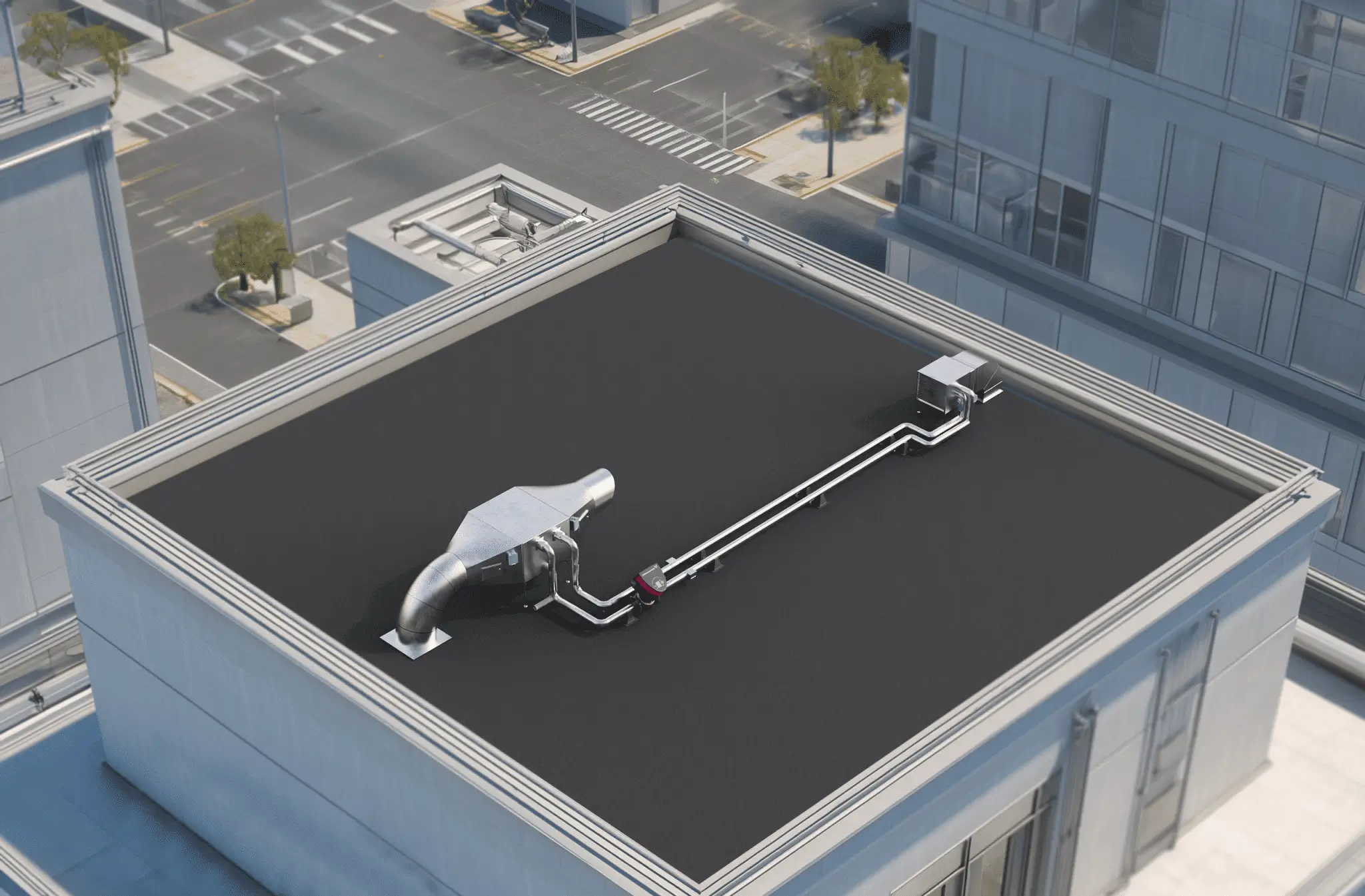
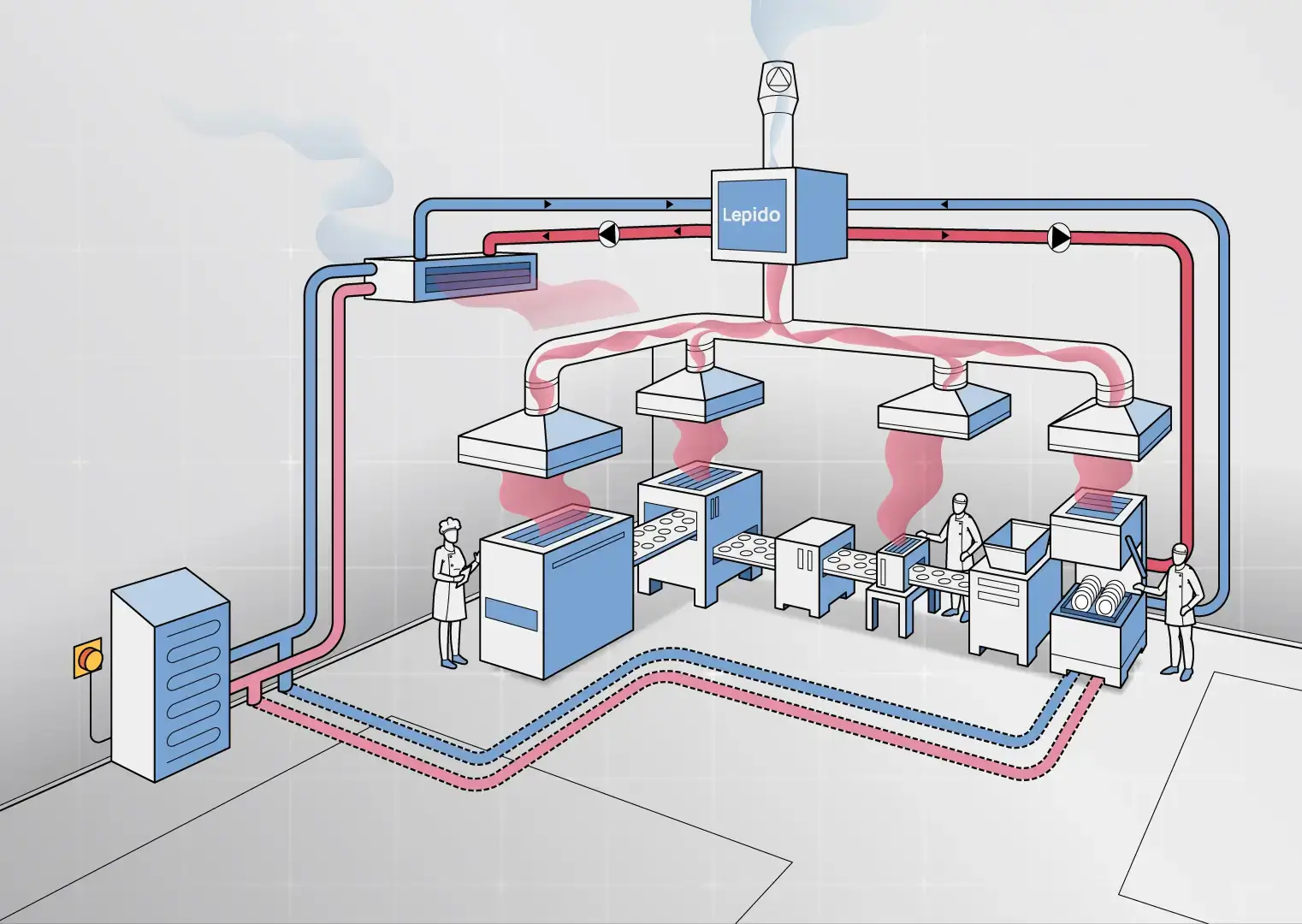
The ThermStar industrial heat recovery system uses Lepido® technology at the source and a closed fluid circuit to move energy to HeatCore Hx™ delivery equipment. ThermStar™ Power Intelligence can coordinate controls and provide performance data. This modular approach separates particle-laden exhaust from the receiving air, water, or process and supports flexible placement of the recovery and delivery components.
ThermStar System
A complete closed loop waste heat recovery system. Lepido recovers at the source, HeatCore Hx delivers to your load, Power Intelligence measures it.
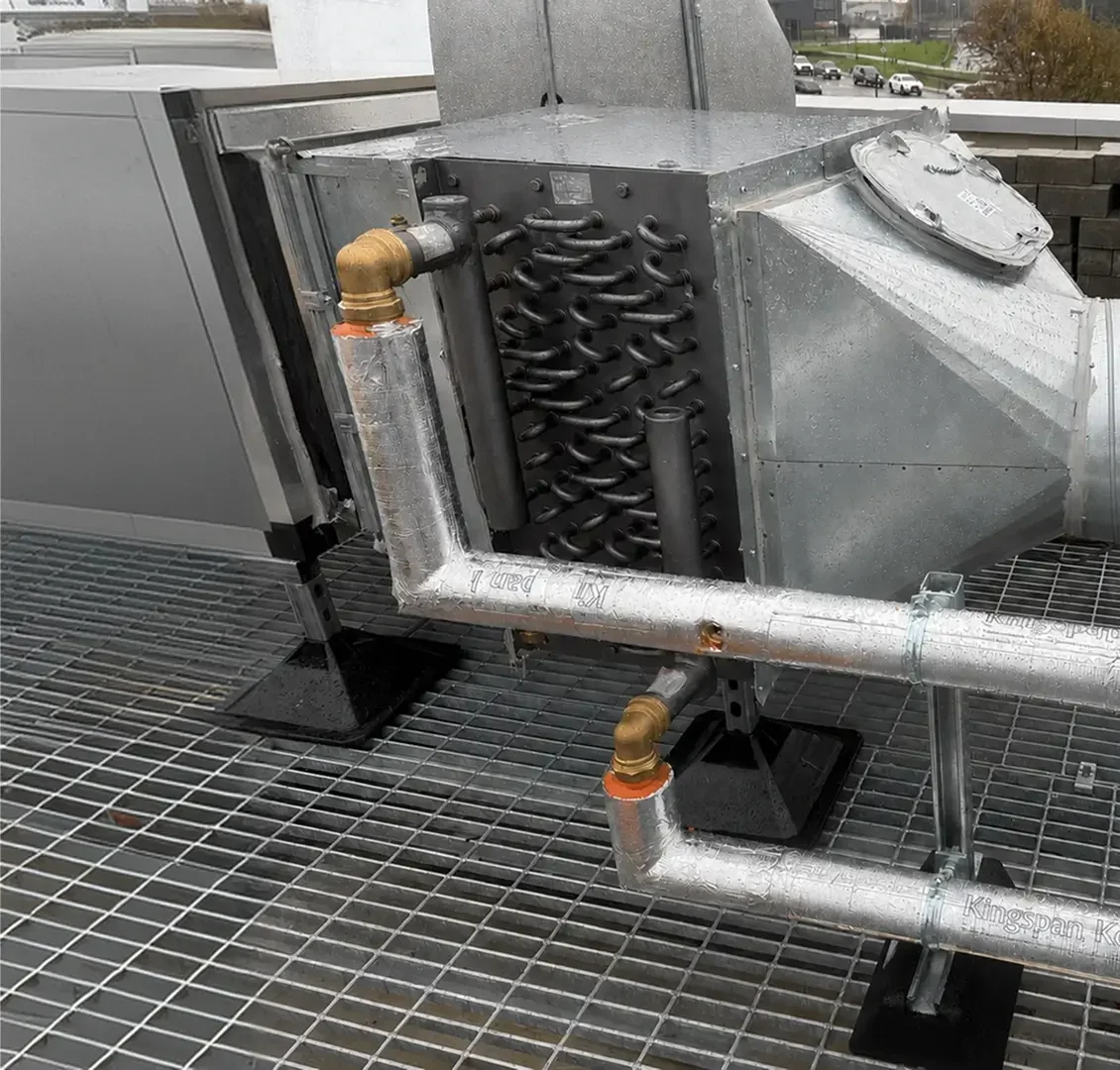
Lepido Exhaust Heat Exchanger
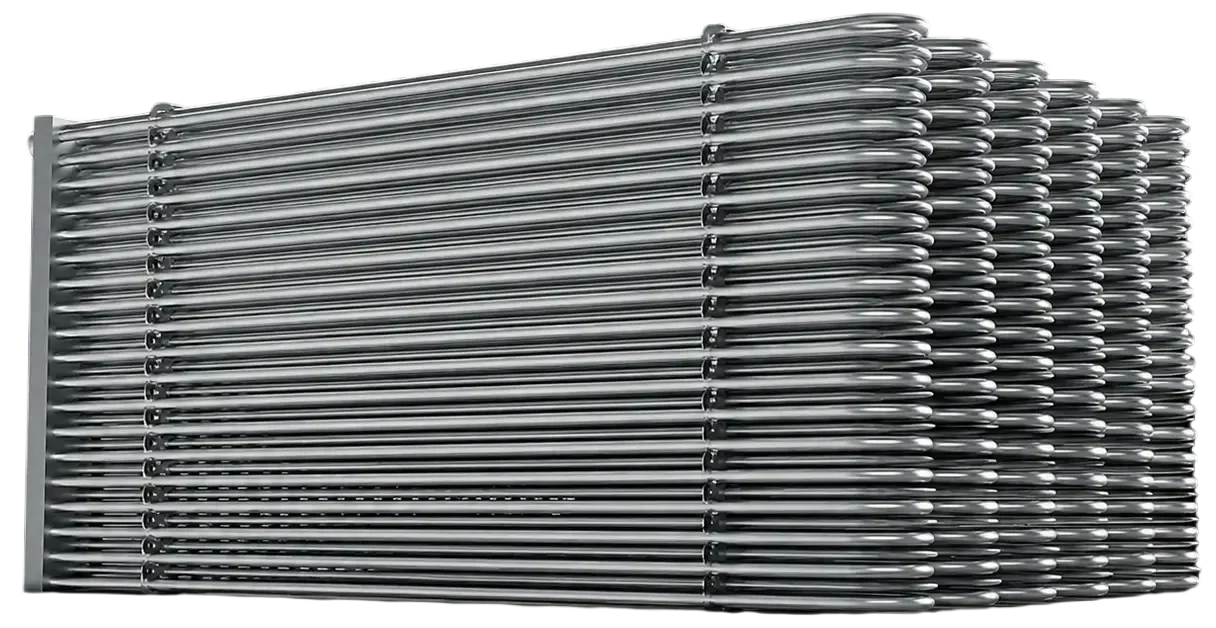
A finless exhaust heat exchanger with patented Particle Repellent Geometry, built for lint, grease, dust and humidity that foul conventional designs.
HeatCore Hx Delivery Units
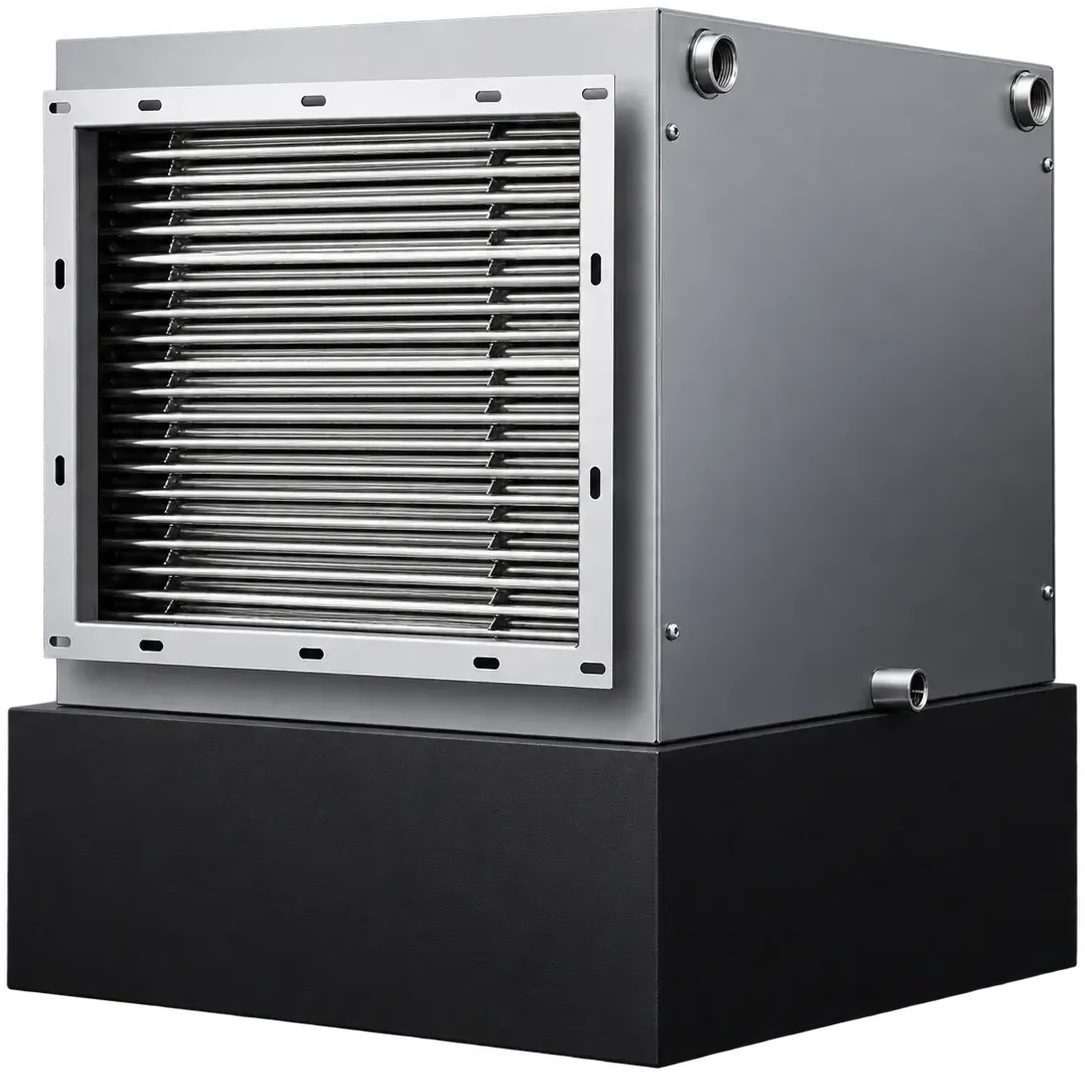
HeatCore Hx transfers recovered energy from the ThermStar loop to approved process air, process water, boiler feedwater and other thermal demands.
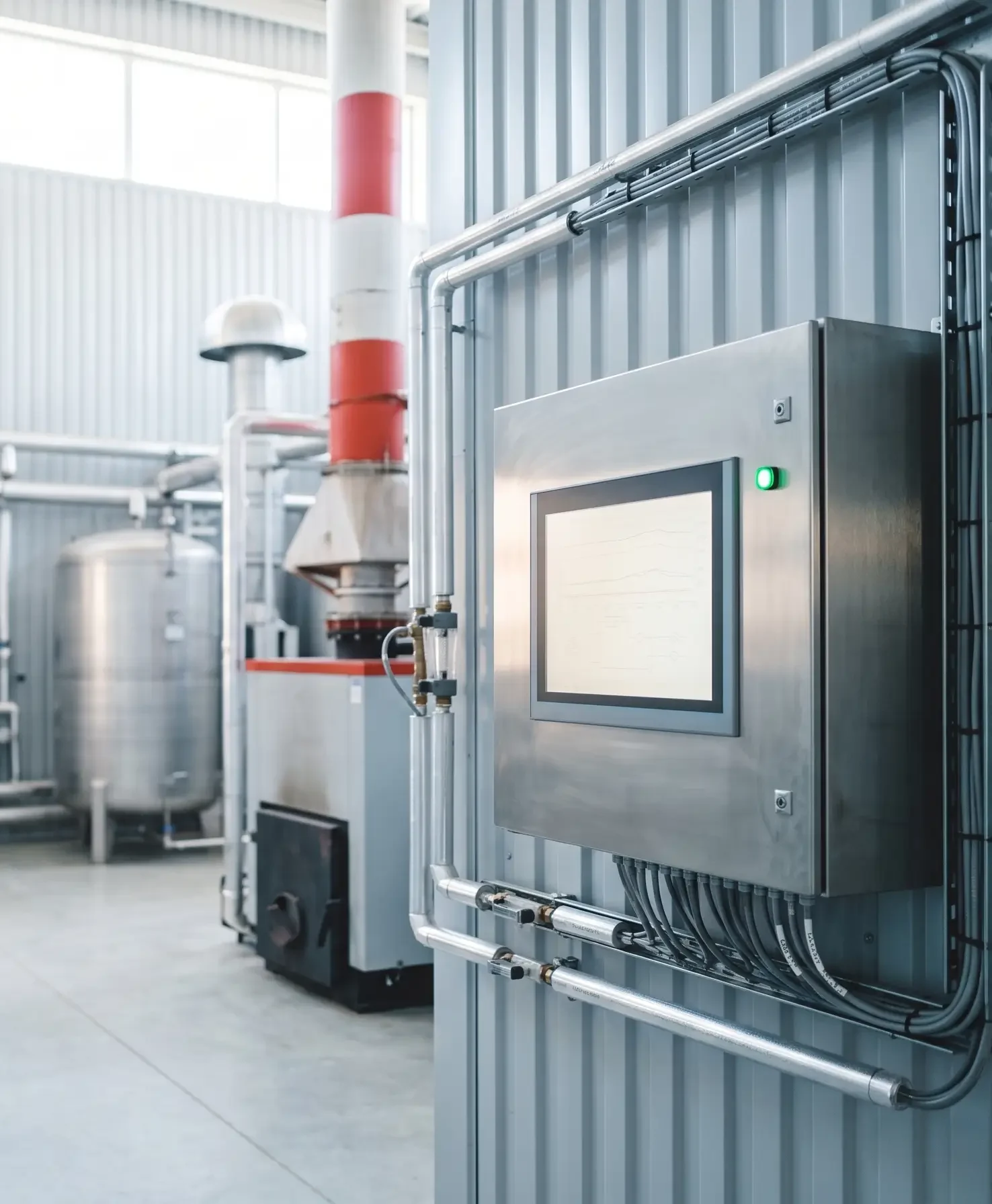
ThermStar Power Intelligence
Controls, alarms, operating data and performance visibility. Document recovered energy for utility incentive reporting and connect to an existing BMS.
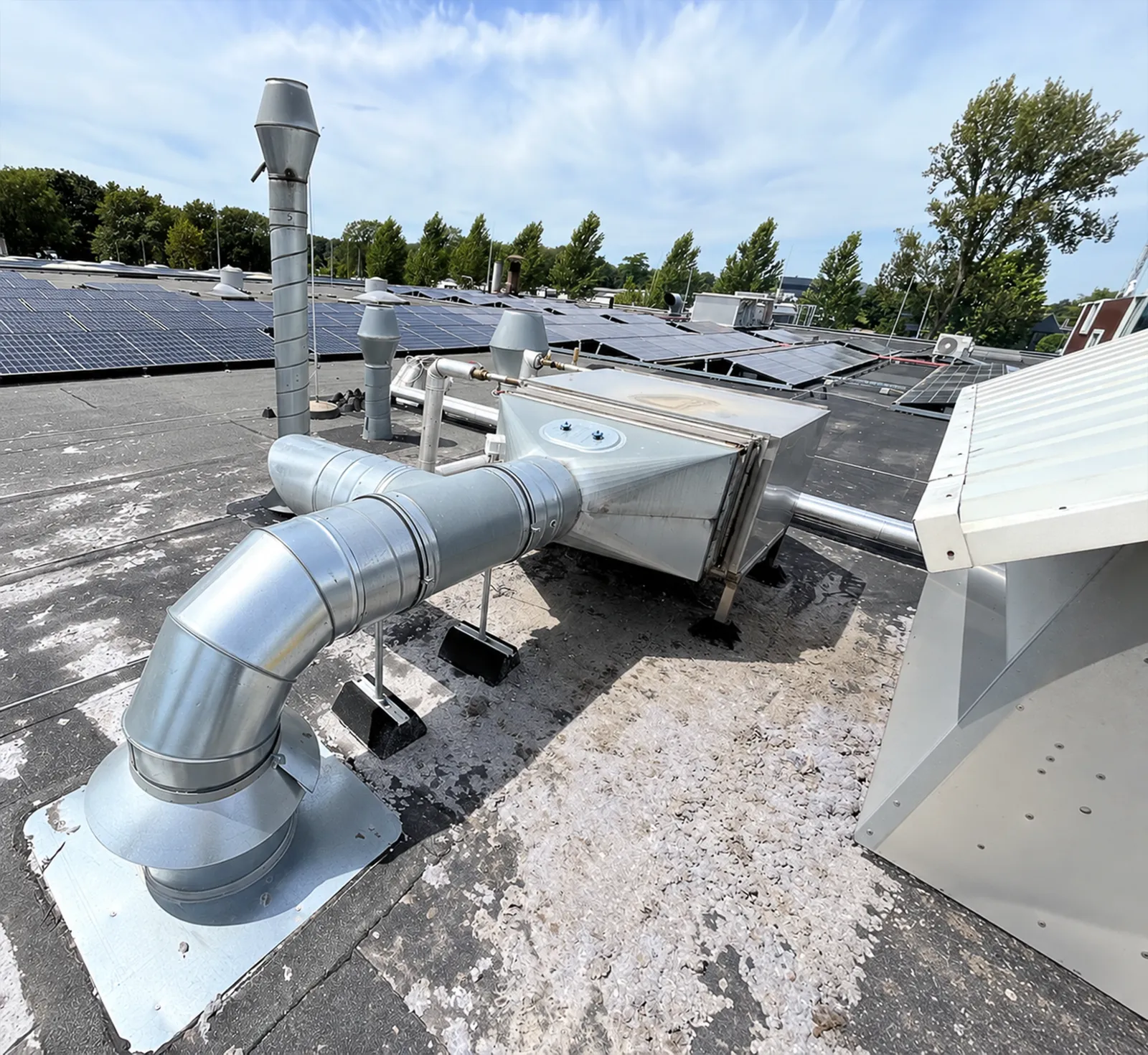
System Integration & Applications
Where recovered heat comes from, where it can go, and the technical considerations that decide whether an application is suitable.
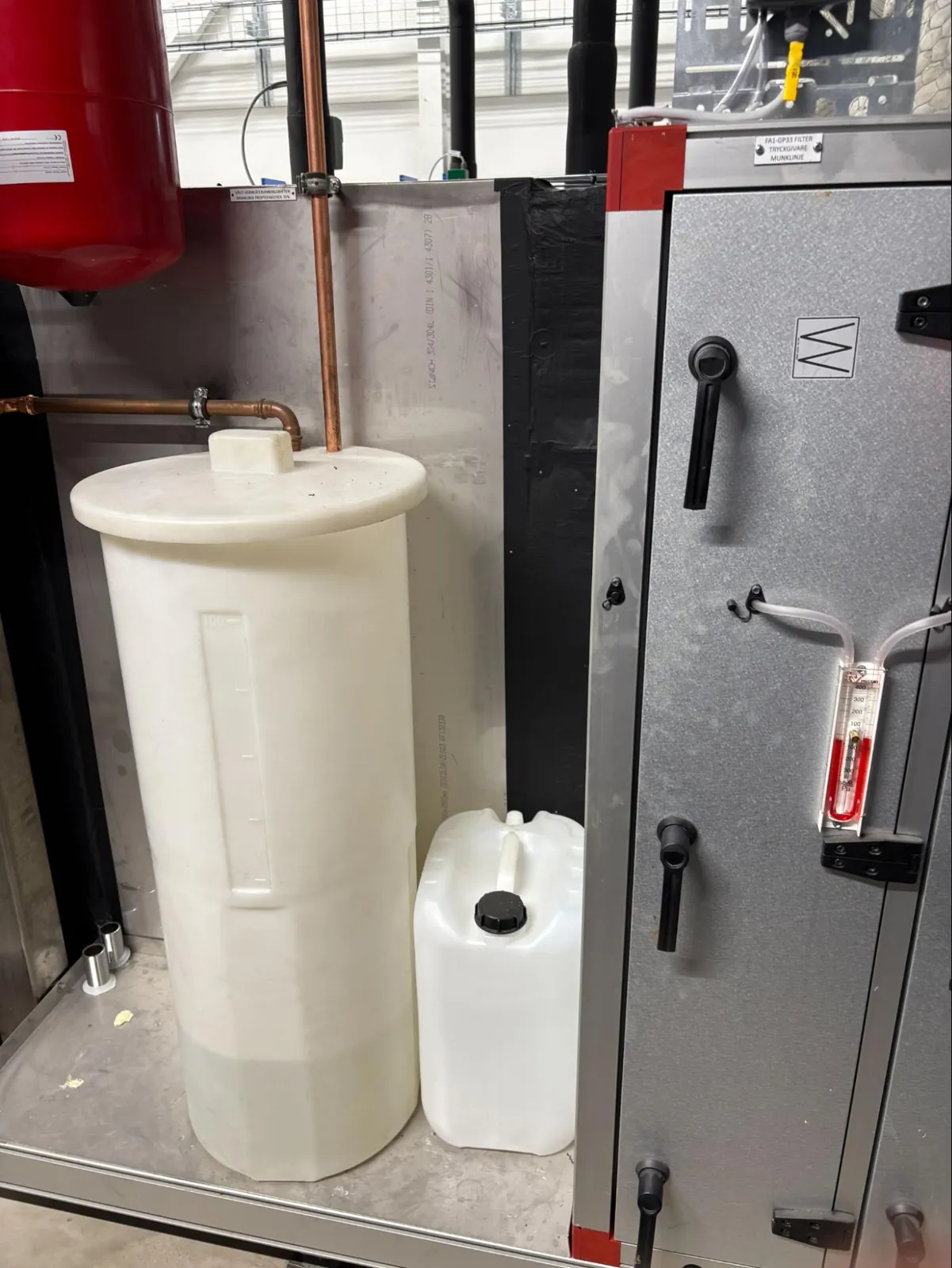
Maintenance, Performance & Economics
Fouling raises pressure drop, cuts recovery and erodes project economics. Seeing how particles pass through supports performance over the life of the system.

Integrated Into the ThermStar System™
Norrel’s ThermStar System™ combines the power of the Lepido™ unit with a fully integrated solution:
This turnkey solution is designed for fast deployment and long-term reliability by preferred mechanical contractors using our installation guidelines.
Waste heat recovery technologies and application fit
Different waste heat recovery technologies include finned coils, plates, rotary devices, heat pipes, run around loops, economizer equipment, and custom exchangers. Each has a useful operating range. ThermStar is differentiated by Particle Repellent Geometry and an open, finless source side design developed for demanding exhaust. Selection should reflect contaminants, temperatures, pressure limits, maintenance access, and the intended use of recovered energy.
From energy availability to business value
Effective waste heat utilization requires a demand that coincides with the source. A high temperature plume creates limited value if no compatible load operates at the same time. ThermStar evaluates source and demand together, then considers equipment, integration, maintenance, operating data, and project economics. This discipline helps organizations compare opportunities on a consistent basis.
Where each technology fits
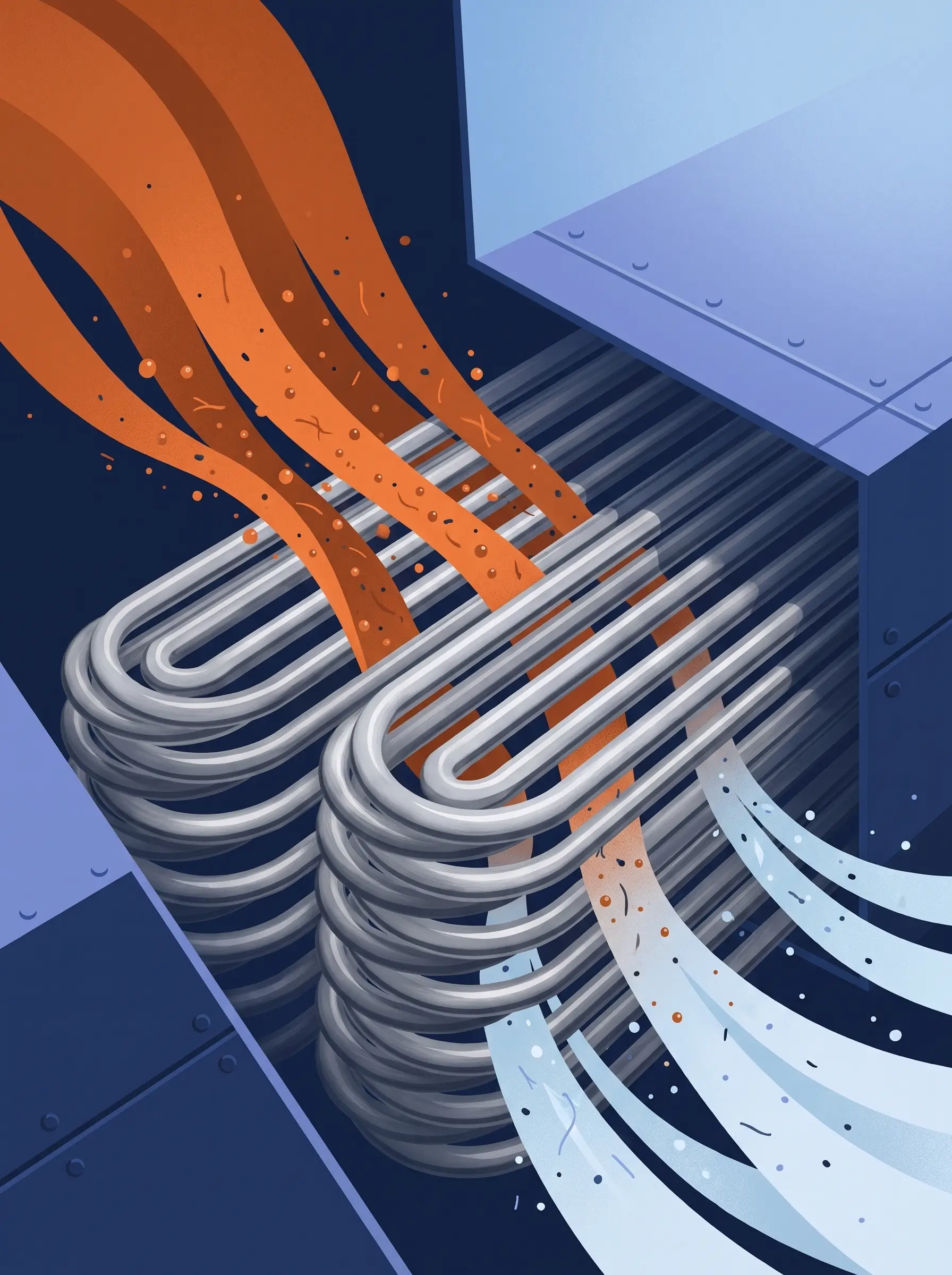
Every heat recovery technology has a useful operating range. In particle-laden exhaust, what decides the fit is how its surfaces cope with what the air carries.
| Technology | Works well in | Watch for in particle-laden exhaust |
|---|---|---|
| Finned coils | Clean air with steady flow | Close fin spacing collects lint, grease and dust, raising pressure drop |
| Plate exchangers | Clean, low particle air to air service | Narrow channels can foul or block, with limited cleaning access |
| Rotary wheels | Building ventilation, air to air | Exhaust and supply air share the wheel, so contaminants can carry over |
| Heat pipes | Separate airstreams at moderate temperatures | Finned surfaces on the exhaust side still collect deposits |
| Run around loops | Airstreams located far apart | The exhaust side coil faces the same fouling as a finned coil |
| Economizers | Boiler and combustion flue gas to feedwater | Designed for flue gas, not grease, lint or process particulates |
| Lepido (ThermStar) | Lint, grease, dust and humid exhaust | Open, finless Particle Repellent Geometry; each application confirmed against approved technical information |
Sustained, not just initial
A surface that fouls loses heat transfer and adds fan energy. ThermStar evaluates the exhaust environment first, because sustained operation matters as much as initial heat transfer.
Why Lepido™?
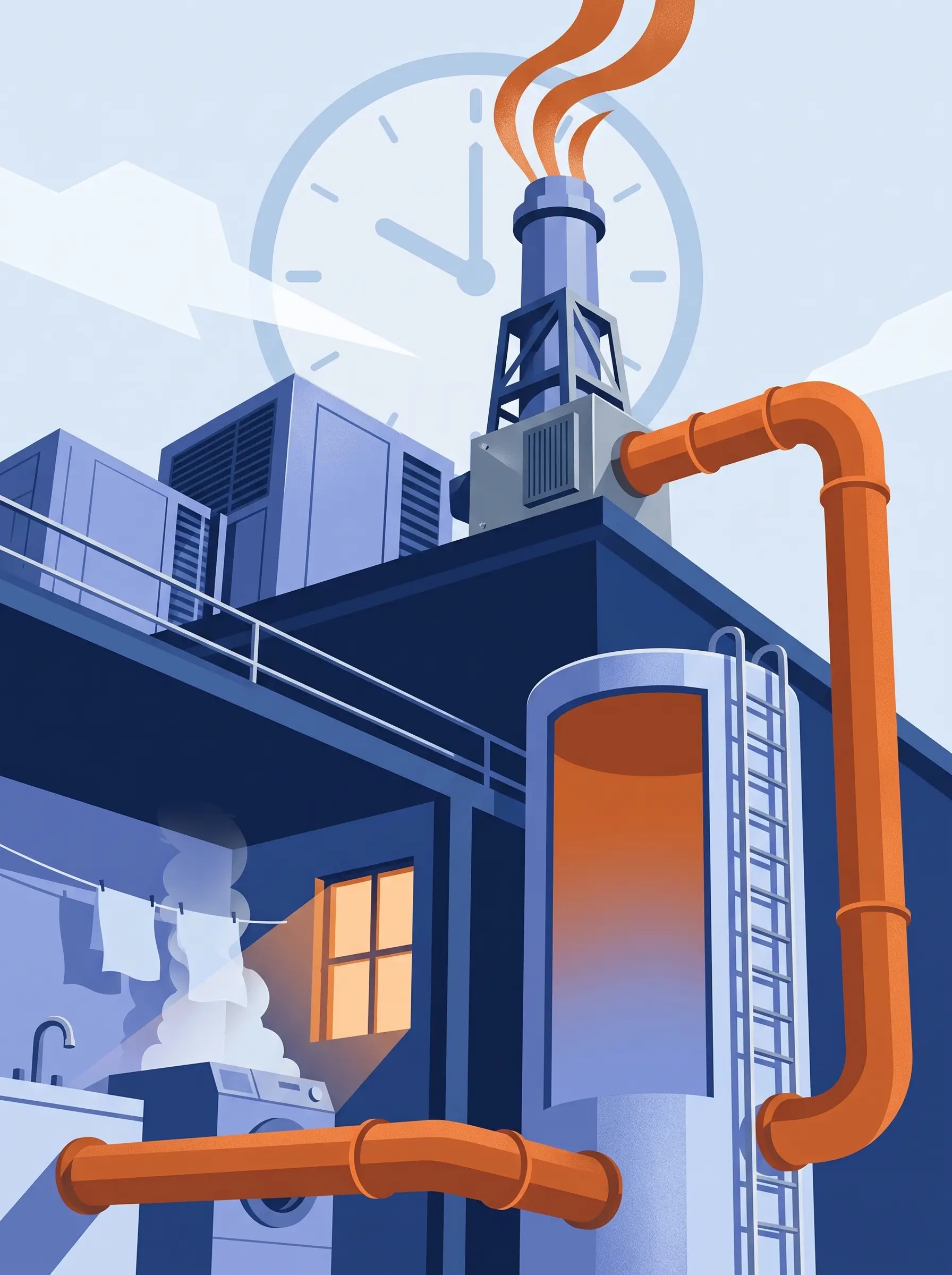
In environments like industrial laundries, food processing plants, drying operations, and commercial kitchens, exhaust air is hot, humid, and filled with grease, soot, lint, or chemicals. These conditions quickly clog and render inoperable conventional heat exchangers, but not Lepido™.
Purpose-designed for industrial airstreams laden with grease, moisture, lint, or chemical particulates, Lepido™ features rugged, corrosion-resistant materials and a durable form factor engineered to perform in the toughest conditions, 24/7 and all year long
Traditional exchangers clog quickly, but Lepido’s patented Particle Repellent Geometry (PRG®) slows down particulate buildup, preserving high thermal efficiency and reducing maintenance frequency, even in dirty, grease laden exhaust.
A high-surface-area exchanger built for grease-laden and particulate-heavy air, sized to keep pressure drop low across the run.
Lepido™ is currently being used by commercial kitchens, production facilities around Europe to recapture excess heat in polluted exhaust air. At Europes biggest pancake factory located in the south of Sweden, the system will recover 1,500,000 kWh per year.
How Lepido™ Works
Particle Repellent Geometry (PRG®) reclaims waste heat in environments where others can’t.
Unlike traditional heat exchangers that rely on tightly spaced fins, Lepido features a finless, open coil design that works with the natural flow of particle-laden air.
What the air carries
Exhaust that fouls everything else
Grease, soot, moisture, lint and fiber arrive with the airstream, the load that closes a finned exchanger down.
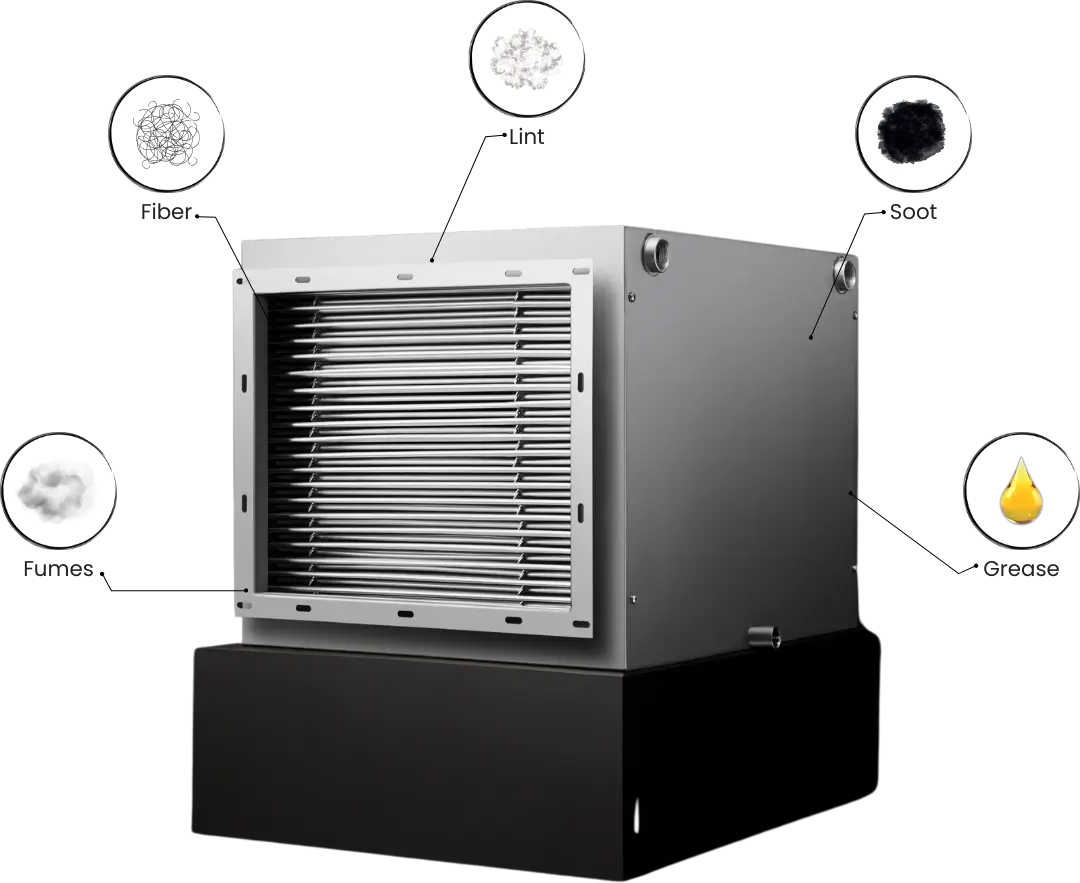
Carried in, carried straight back out
- Grease
- Soot
- Moisture
- Lint
- Fibre
- Fumes
What the geometry does
Particles are repelled, not trapped
Ample spacing between the coils creates an airflow pattern that carries particles straight through the unit instead of onto its surfaces.
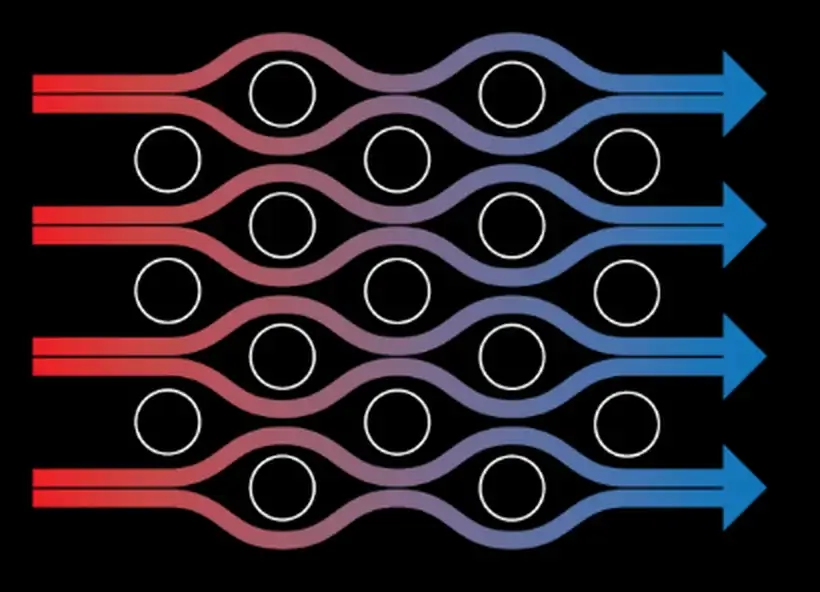
- Flow 100% counter-current
- Circuiting Multiple fluid patterns
- Transfer area Matched to a conventional coil
Choose a qualified provider
When evaluating waste heat recovery companies, ask how equipment performs over time, how fouling and pressure drop are addressed, how savings will be measured, and who owns each engineering and installation responsibility.
ThermStar supports this evaluation through opportunity screening, technical review, documented configurations, partner coordination, and performance visibility.
Proven before it came to North America
The core technology was launched in Sweden in 2015 and proven in commercial and industrial exhaust before its introduction to North America in 2025.
Figures describe the global Lepido record. See customers and installed experience.
Installed base
260+ installations
More than 260 Lepido installations worldwide
Intellectual property
41 41 patents
In the global IP portfolio
Recognition
8 8 awards
International innovation and technology awards
Can a heat recovery system be retrofitted to an existing facility
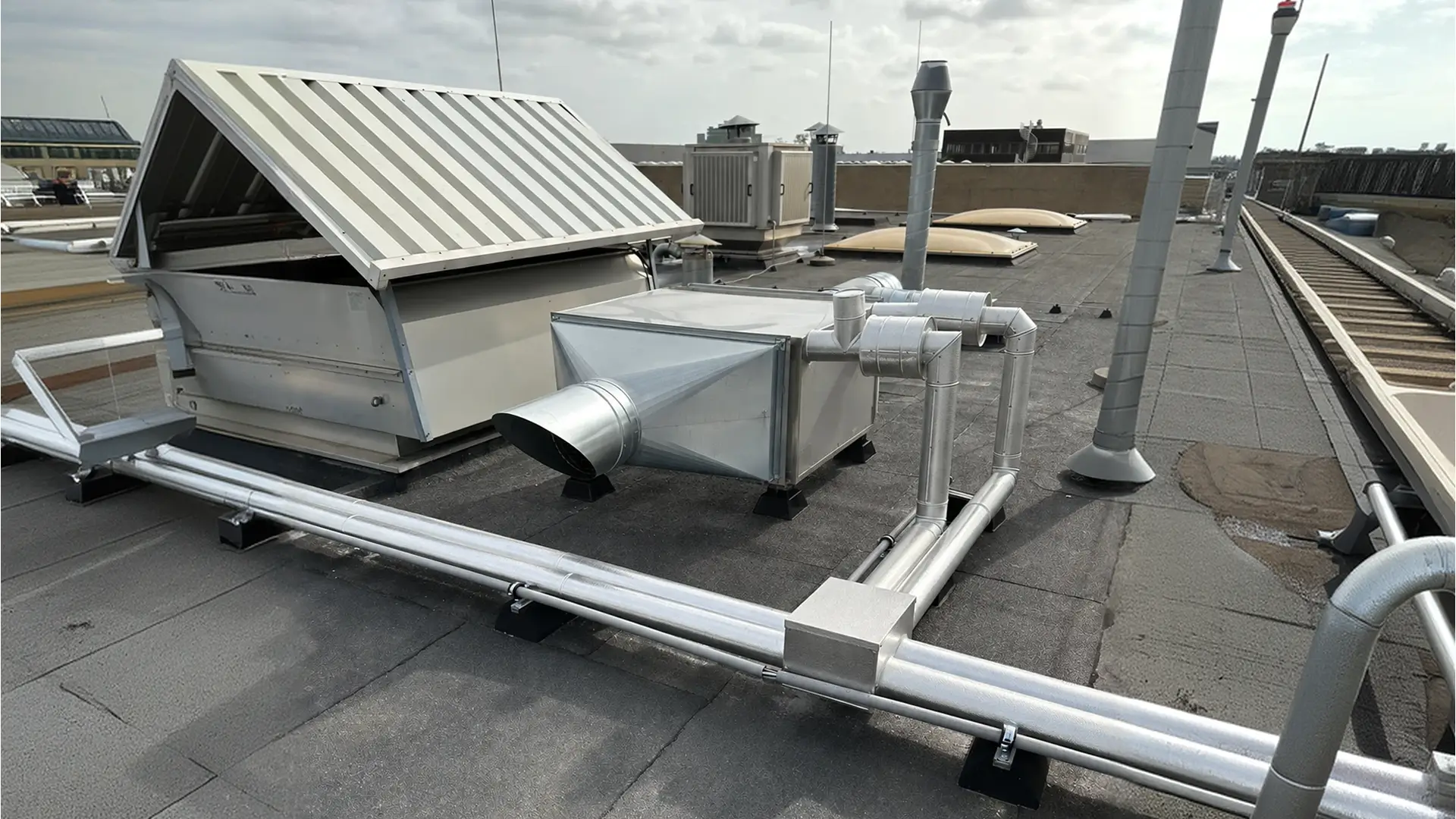
Yes. Retrofitting existing facilities is a core application of ThermStar’s heat recovery system. Its flexible, modular design allows recovered thermal energy to be delivered to existing process heating, makeup air, or water heating systems. Each installation is engineered around the facility’s equipment, operating requirements, and available space, with a focus on minimizing disruption to ongoing operations while maximizing energy savings.
Can one heat recovery system serve more than one load
A configuration may consider one or more receiving loads when their temperatures, capacities, schedules, locations, and control needs align with the available source. ThermStar evaluates the combined operating case before recommending an arrangement.
How is heat recovery system performance measured and verified?
Heat recovery system performance is measured using temperature, airflow, fluid flow, and operating data to calculate recovered thermal energy and associated energy savings. ThermStar™ Power Intelligence continuously monitors system performance, tracks energy recovery, and provides historical reporting to validate savings over time. Each system is engineered to match available exhaust energy with the facility’s process and preheating requirements, maximizing useful energy recovery and reducing fuel consumption.
Is every particle-laden exhaust application suitable for heat recovery
Most exhaust applications are suitable for heat recovery. Suitability depends on exhaust composition, concentration, temperature, humidity, pressure constraints, cleaning practices, materials, safety requirements, and facility standards. ThermStar, in conjunction with key stakeholders, reviews heat recovery potential and applicability as part of the due diligence process.
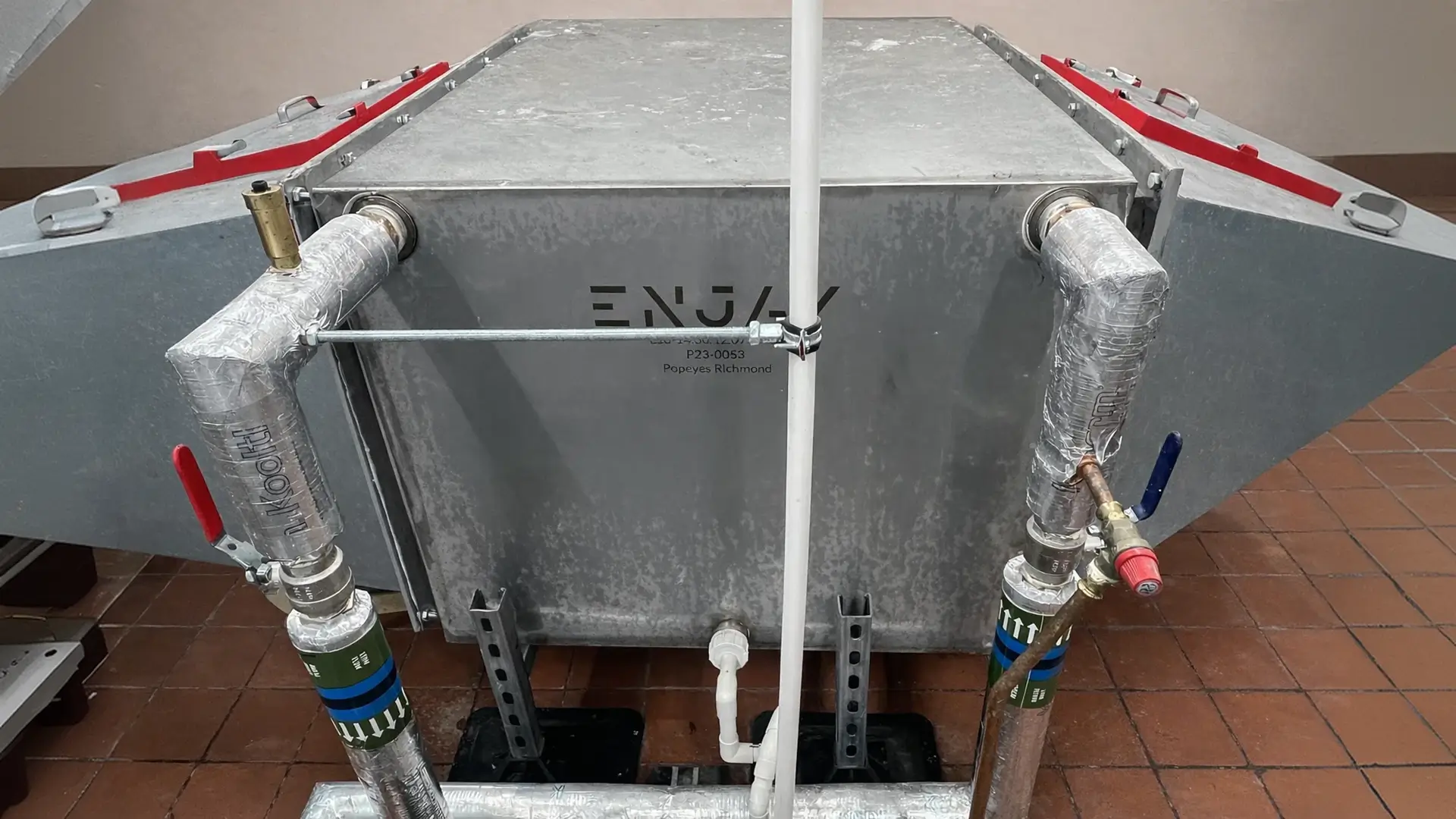
Can exhaust contaminants enter the air or fluid being heated?
No. ThermStar’s heat recovery system uses a closed-loop heat transfer design that keeps the exhaust stream completely separate from the air, water, or process fluids being heated. Thermal energy recovered by the Lepido® unit is transferred through a sealed fluid loop to the HeatCore Hx™ delivery unit. Only heat is transferred—not exhaust air, particulates, or contaminants—ensuring clean energy delivery without cross-contamination.