


System configuration, proposal, implementation and measurement
Once an opportunity clears technical review, ThermStar configures the system, defines who owns which part of the project, coordinates the installation, and then measures the energy it recovers.
Technical configuration
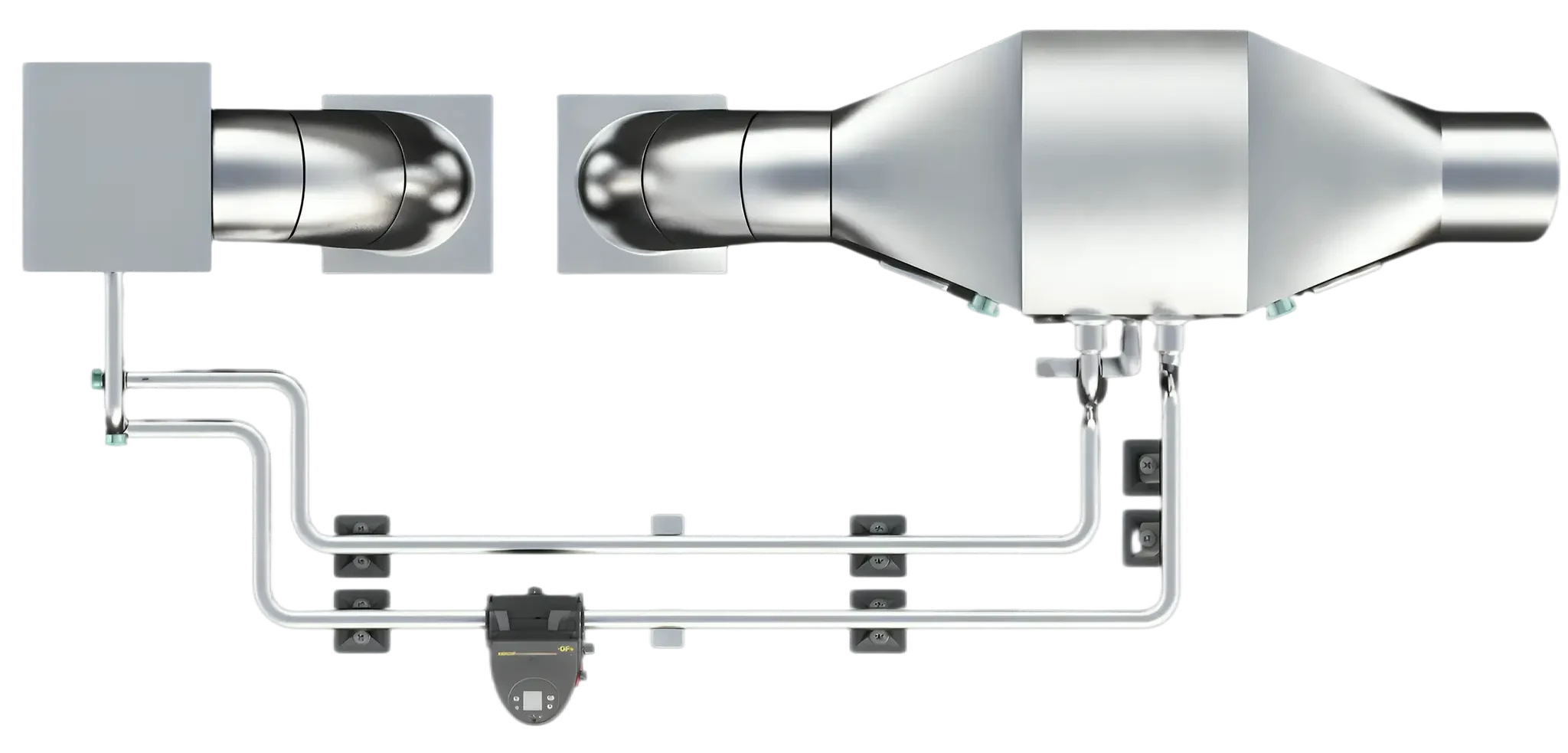
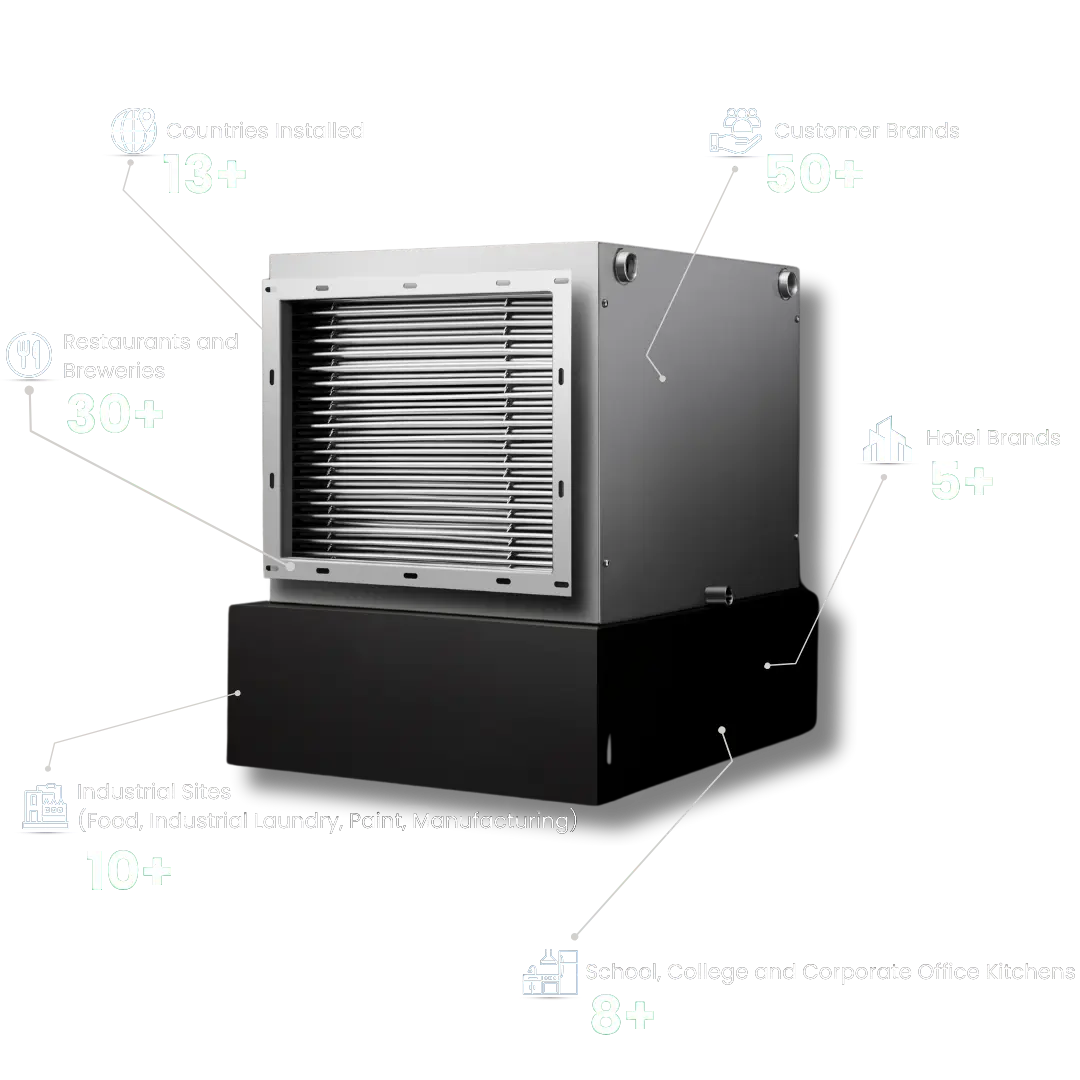
ThermStar develops a system concept around the approved heat source, the productive thermal demand, and the conditions at the facility. A configuration may include Lepido® heat recovery units, circulation equipment, a closed loop, HeatCore Hx™ delivery units, controls, sensors, and performance monitoring.
Equipment selection and placement depend on the application and current approved technical information.
Commercial proposal and project boundaries
The proposal describes ThermStar supplied components, technology, and related services. It also identifies important interfaces with the customer, engineering firm, specifying firm, equipment manufacturer, installation contractor, utility, or other program participant.
Those project professionals retain responsibility for their respective scopes, designs, approvals, installation work, and customer relationships.
Installation coordination
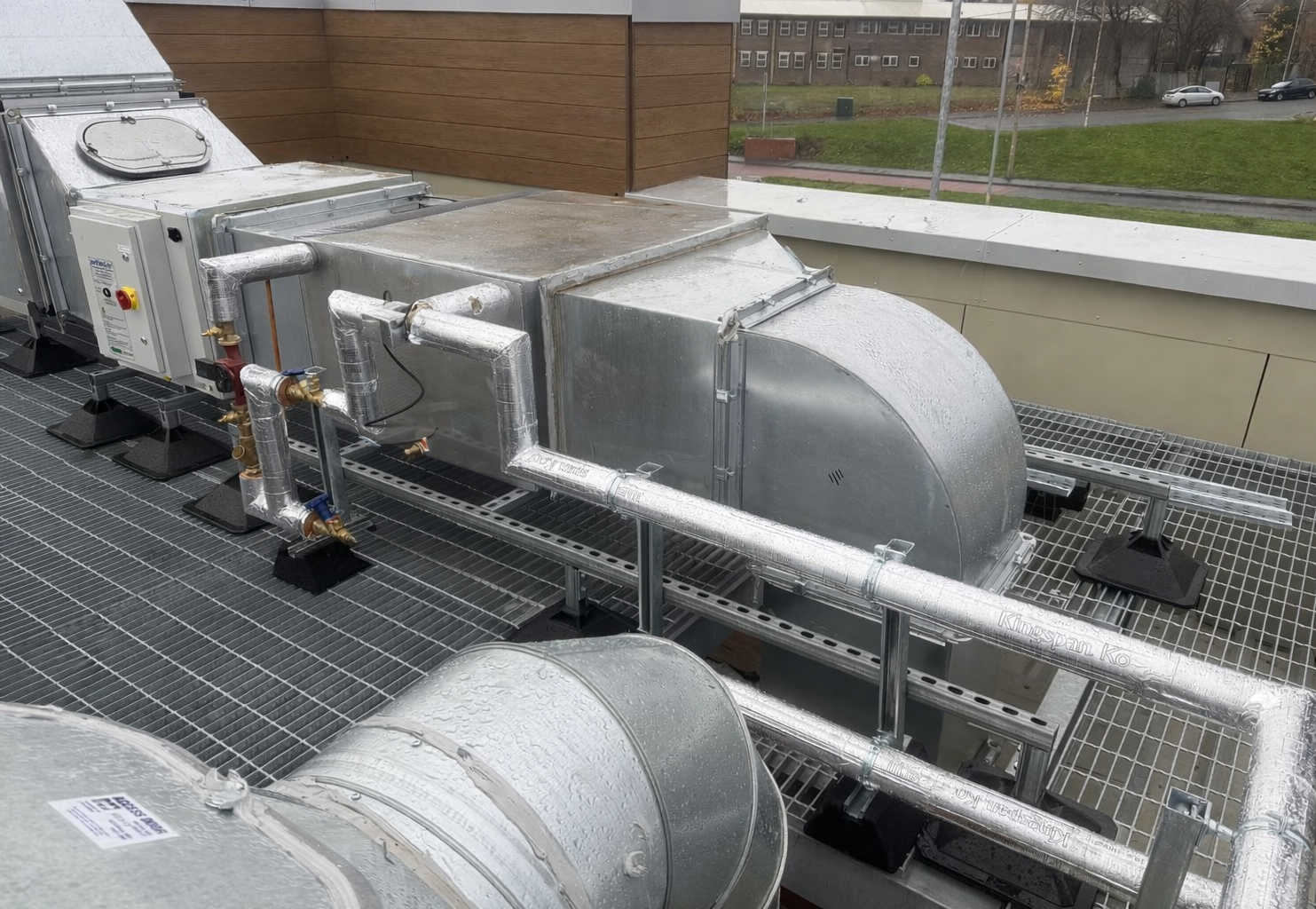
ThermStar works with the selected project team to communicate equipment requirements, review relevant interfaces, coordinate delivery, and support integration planning.
Site work, permitting, code compliance, professional engineering, and installation remain with the qualified parties responsible for those tasks. This collaborative structure lets ThermStar focus on its heat recovery platform while the broader project team manages the complete facility scope.
Startup and commissioning support
Commissioning confirms that the supplied system elements communicate and operate as intended within the approved project. Activities may include control checks, sensor review, operating sequence confirmation, alarm verification, and observation of source and delivery conditions. Final procedures depend on the project configuration and the responsibilities defined in the proposal.
Measurement and verification of energy savings
After startup, available data can document recovered thermal energy and system operation. ThermStar Power Intelligence may support monitoring, trend review, alarms, reporting, and connection to an existing building management system when desired. The reporting approach can also be structured to support receipt of eligible incentives when the applicable utility or program establishes specific requirements.
Plan the next decision
Begin with a Thermal Energy Opportunity Screen. ThermStar will help determine what information is needed, whether the opportunity warrants technical evaluation, and what a practical path toward configuration and implementation could involve.
What information is required for system configuration and proposal
Configuration builds on the confirmed results of the technical review: the approved heat source, the productive thermal demand, and the conditions at the facility. ThermStar also needs to know who is responsible for engineering, installation, and any utility program, so the proposal can define each interface.
How long does configuration through commissioning take
Timing depends on the complexity of the source, the availability of facility data, and the number of project participants. A simple screen can move quickly. A technical assessment takes longer when operating conditions, equipment interfaces, or receiving loads require confirmation. ThermStar defines the next information request at each stage.
Does accepting a proposal commit a facility to the full scope
A proposal commits the facility to ThermStar's stated scope: the supplied components, technology, and related services it describes. Engineering, site work, permits, code compliance, and installation stay with the qualified parties responsible for them and are agreed with those parties.
Who performs installation and commissioning work
ThermStar supplies approved components, system technology, and the related support stated in its proposal. Qualified engineers, specifiers, contractors, manufacturers, and other project professionals remain responsible for their assigned scopes, approvals, permits, code compliance, and field work.