

our Services

Waste heat recovery services from first screen to measured operation

ThermStar helps customers identify where thermal energy is leaving a facility, determine where that energy could be reused, and evaluate whether a project makes technical and economic sense.

HOW WE WORK

A structured process for each opportunity

ThermStar works with prospective customers from initial opportunity identification through system configuration, implementation coordination, commissioning and performance measurement.

Each stage produces the information needed to make the next decision, without asking a prospect to complete unnecessary work at the start. The process scales from one exhaust source to a programme covering multiple facilities.

01

The dedicated initial engagement and qualification pathway. A complimentary screen begins with a short description of the facility, industry, heat source and potential application.

You provide

Company, facility, industry, contact and application details. Photos and utility information are optional.

You get back

A go / no-go view, and the specific data we would need next if it looks worth pursuing.

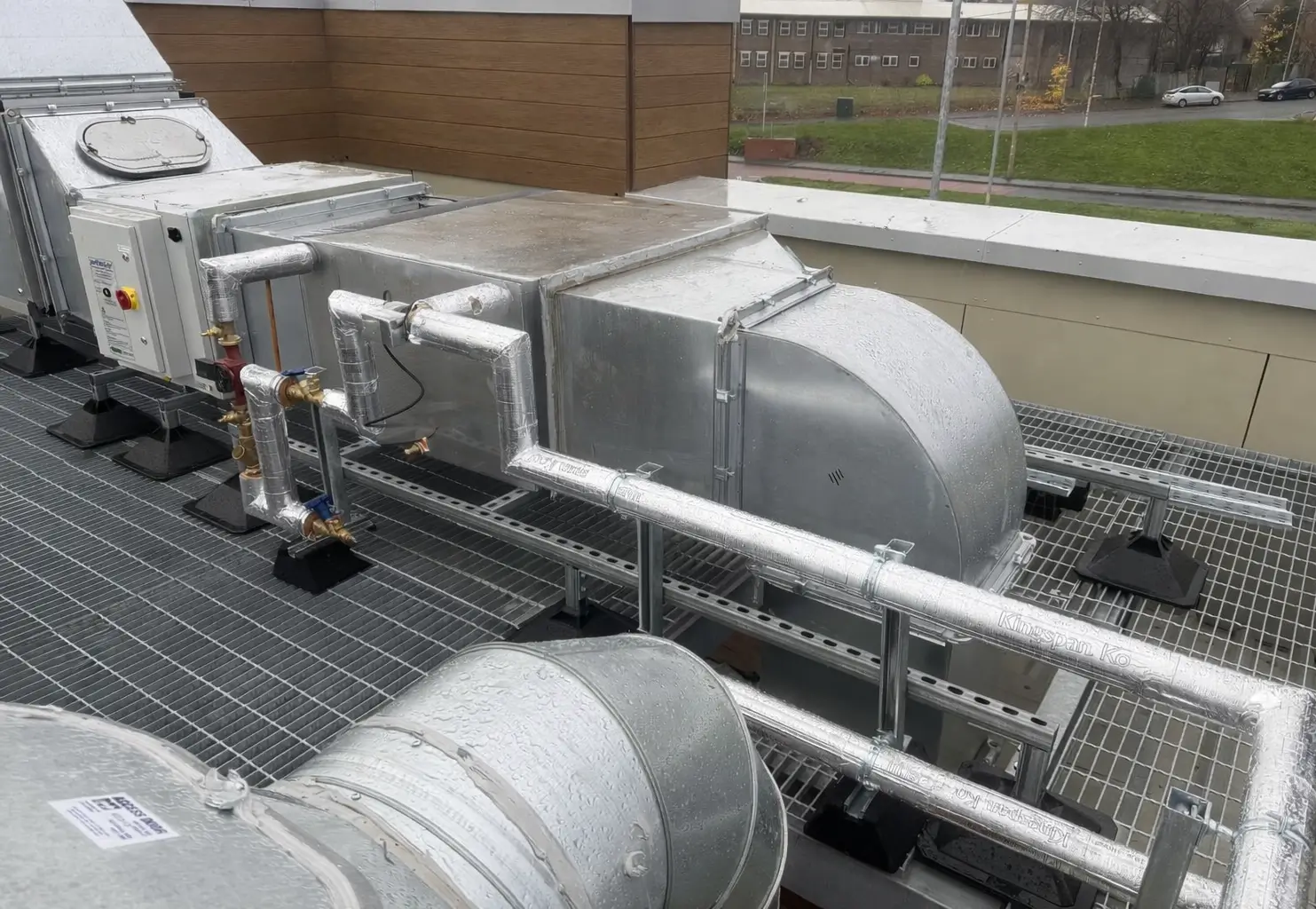
Heat recovery installation on a quick service restaurant roof
02

Technical review and preliminary assessment

When an opportunity merits further work, ThermStar identifies the relevant operating, equipment, facility and energy information. Findings remain preliminary until the required data is confirmed.

Exhaust temperature and airflow, operating hours, contaminant characteristics, equipment details, energy rates.

Preliminary Opportunity Assessment

Available source energy, delivery options, potential recovered energy and early project economics.

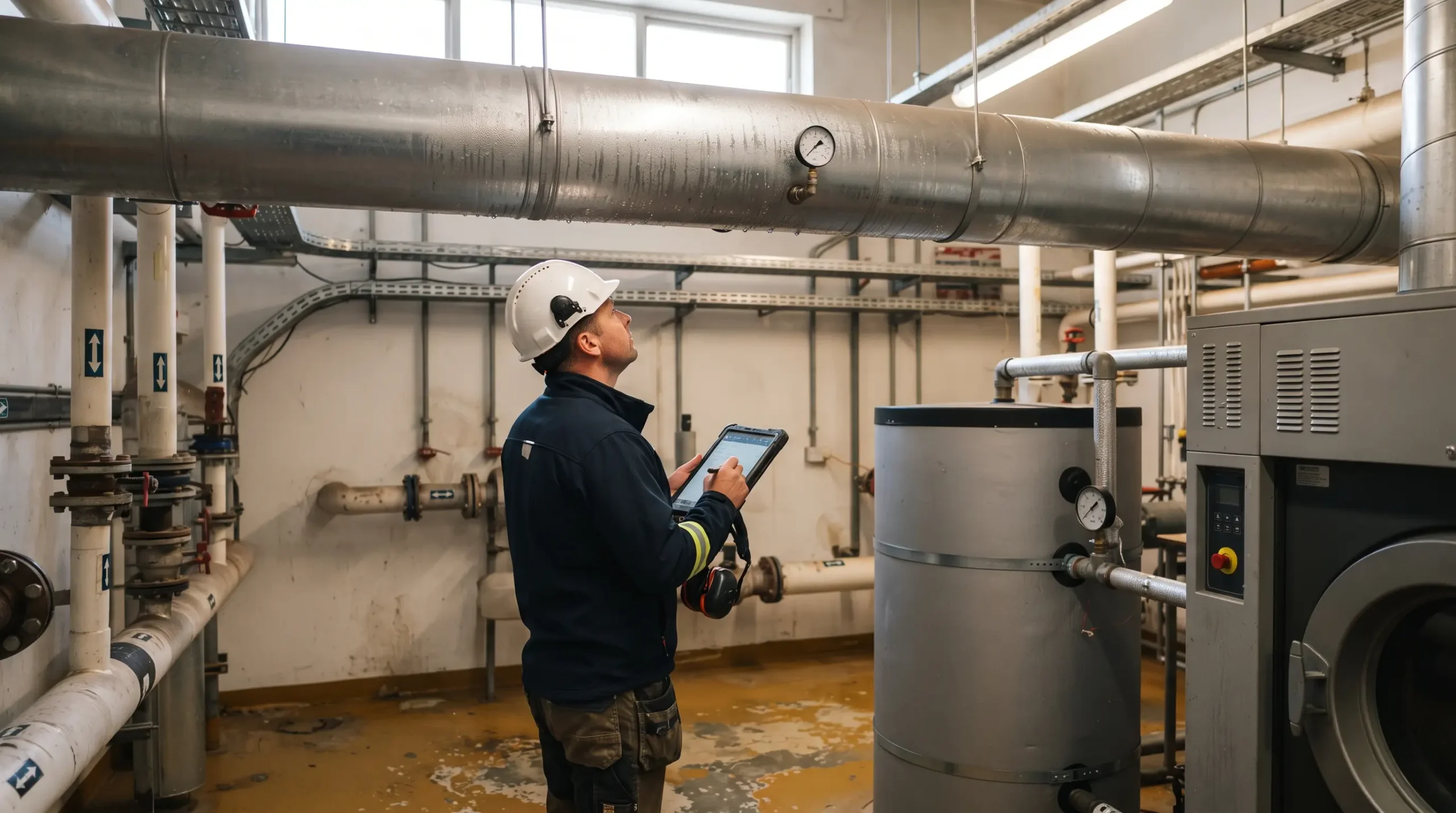
Engineer checking gauges in an industrial plant
03

Configuration, implementation and verification

ThermStar develops a system concept and commercial proposal, then supports your selected professionals through installation and startup. It does not replace the responsibilities of engineers or installers.

Technical Configuration & Proposal

Lepido® heat recovery units, closed loop, HeatCore Hx™ delivery, pumps, controls , with scope, price and defined boundaries.

Installation Coordination & Commissioning

Interface information and coordination through integration, to a commissioned system.

Measurement & Verification

Monitored temperatures, flow, runtime and calculated thermal energy, reportable for incentives.

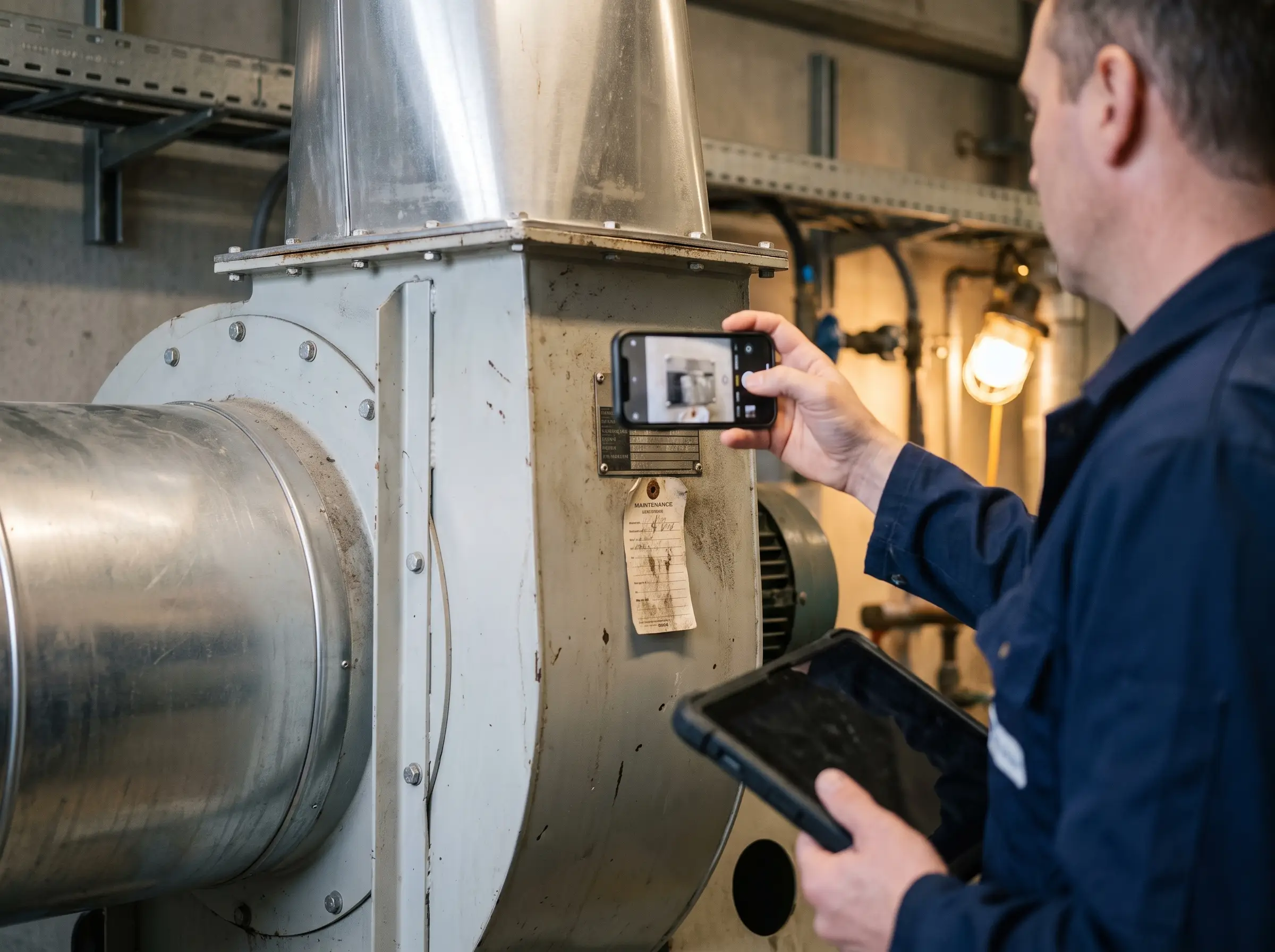
Facility manager photographing exhaust equipment for an opportunity screen
NEXT STEP

Begin the conversation

Request an Assessment with basic contact and facility information. A ThermStar representative will review the submission and follow up. Customers who want to speak sooner can schedule a complimentary call after submitting the form.

Engineer working at an office desk
COMMON QUESTIONS

What to know before you start

What information does ThermStar need to begin the services process

Basic company, facility, industry, contact, and application information is enough for the first conversation. Photos, utility bills, equipment records, and specifications are helpful when available, but they are optional at the screening stage. ThermStar identifies the detailed operating data needed only after the opportunity appears worth evaluating.

Timing depends on the complexity of the source, the availability of facility data, and the number of project participants. A simple screen can move quickly. A technical assessment takes longer when operating conditions, equipment interfaces, or receiving loads require confirmation. ThermStar defines the next information request at each stage.

No. The early process is intended to determine whether further evaluation makes sense. A customer decides whether to advance after reviewing the available findings, information gaps, likely configuration, responsibilities, and preliminary economics.

ThermStar supplies approved components, system technology, and the related support stated in its proposal. Qualified engineers, specifiers, contractors, manufacturers, and other project professionals remain responsible for their assigned scopes, approvals, permits, code compliance, and field work.